

2026 Environmental Leadership Awardees
Kimberly O'Rourke
Outstanding Leader

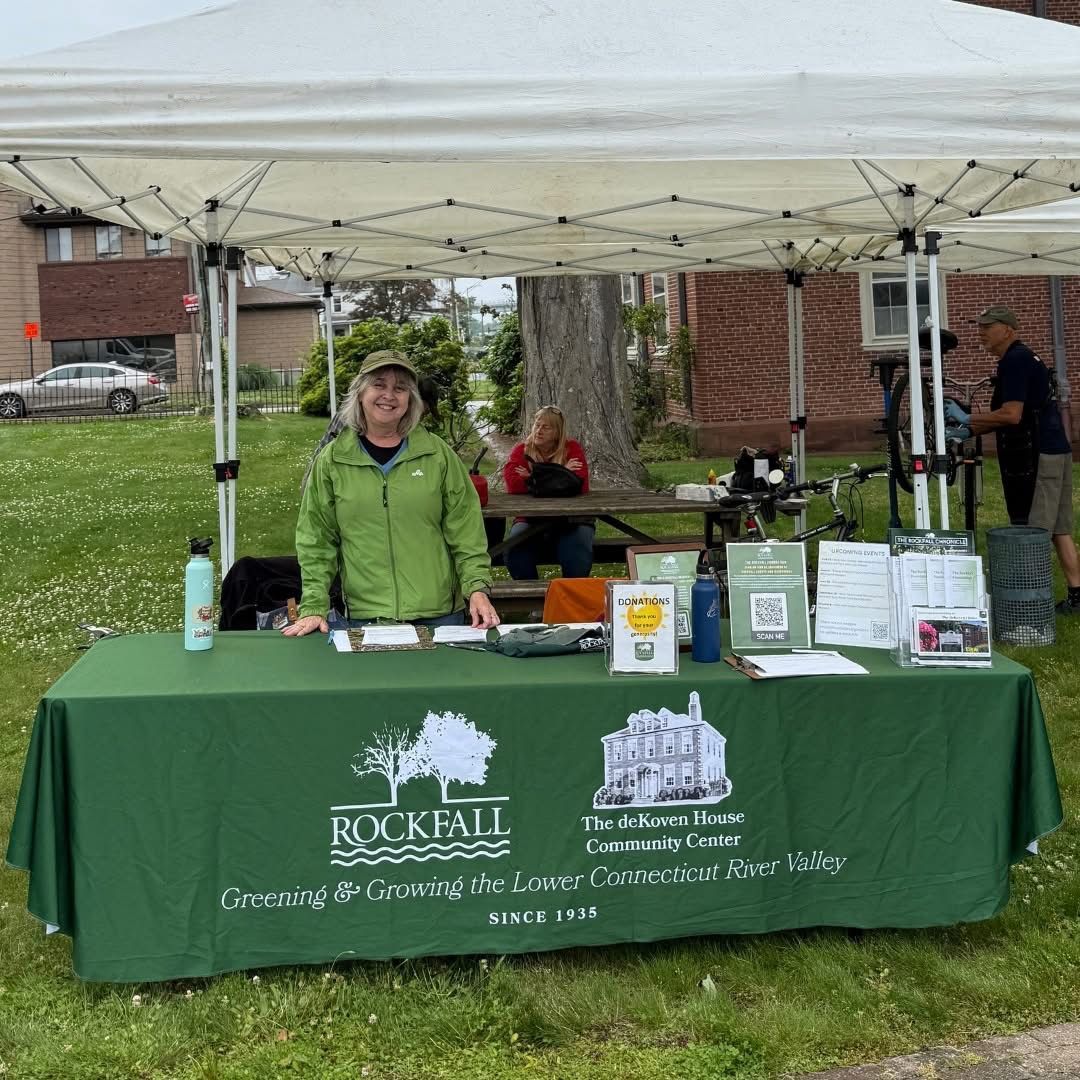

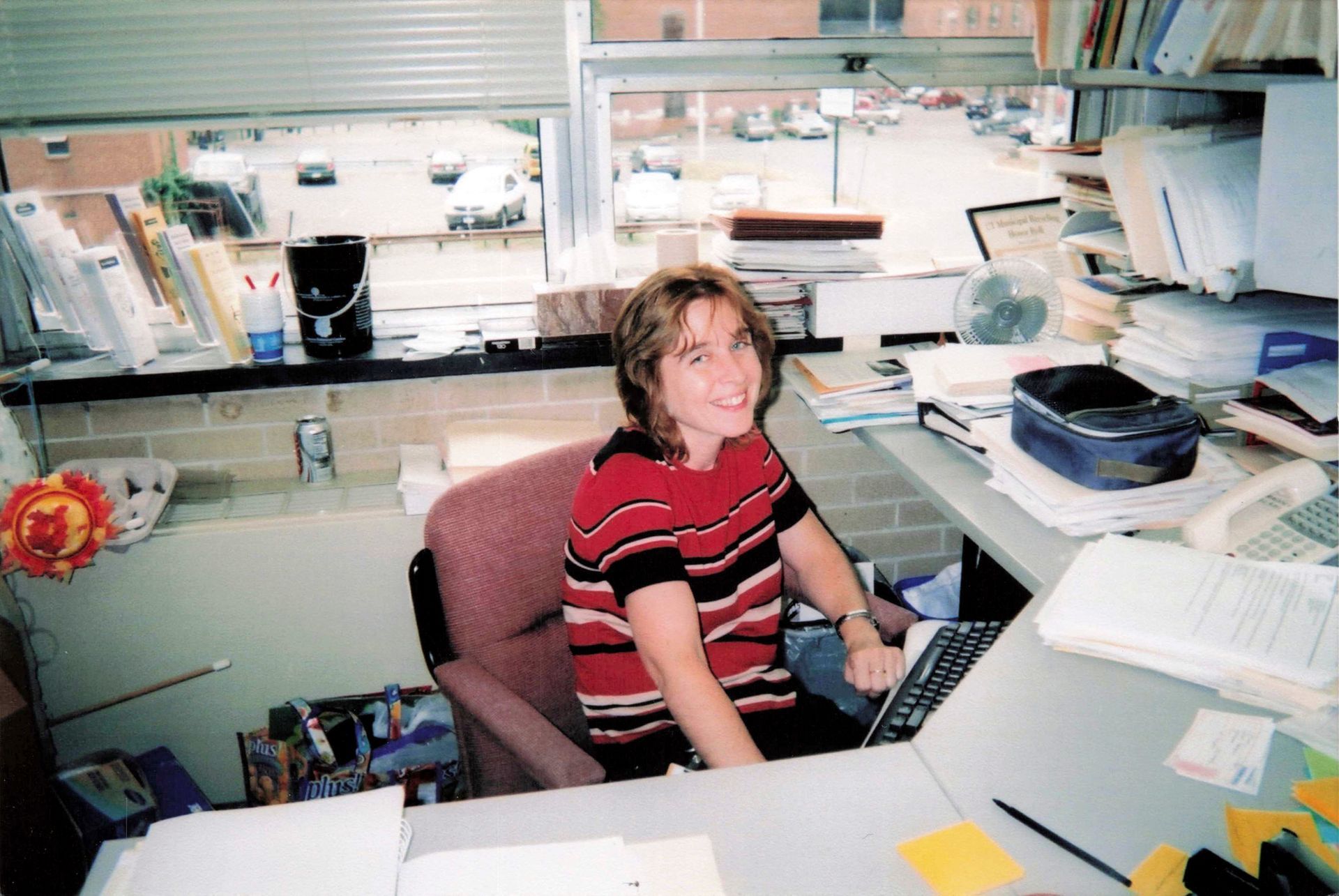
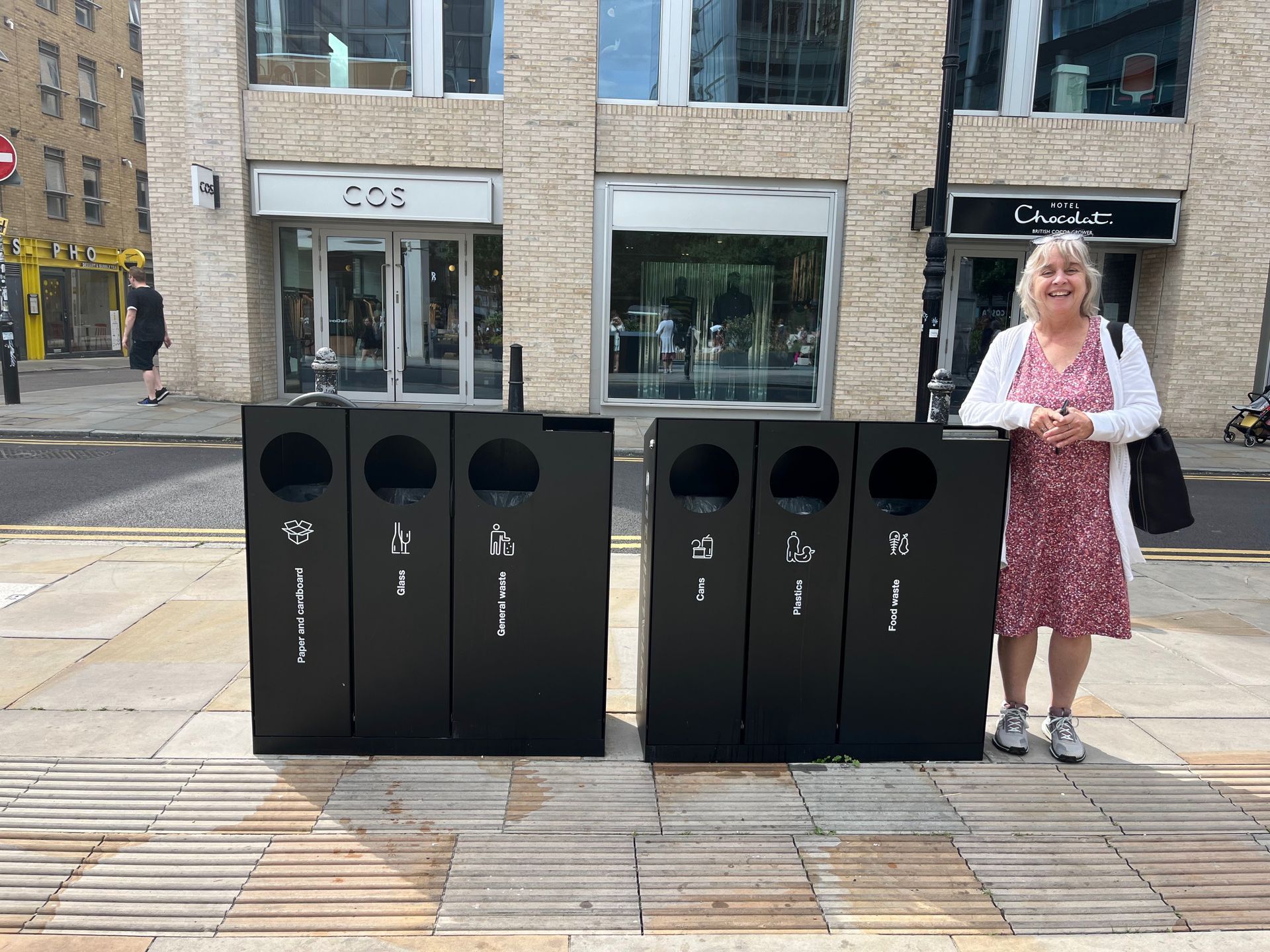
Kimberly "Kim" O'Rourke (1964-2026) dedicated her life and career to environmental stewardship, public service, and community engagement. A recognized leader in recycling, waste reduction, and sustainable materials management in Connecticut, Kim spent more than three decades helping municipalities, organizations, and residents create practical solutions that improved both their communities and the environment.
A graduate of the University of New Hampshire with a Bachelor of Science degree in Environmental Conservation and Communications, Kim also completed graduate coursework toward a Master of Public Administration at the University of Connecticut and became a Certified UConn Master Composter in 2021.
For 33 years, Kim served as Recycling Coordinator for the City of Middletown, where she became known statewide for her innovation, enthusiasm, and effectiveness. Among her many accomplishments were the development of Middletown's nationally recognized Feed the Earth program, which diverted more than one million pounds of food scraps from disposal; implementation of the Save As You Throw program, which reduced waste by 30 percent within the city's sanitation district; and leadership of numerous initiatives promoting reuse, recycling, composting, and waste reduction. She also led countless educational programs, Earth Day celebrations, and community outreach efforts that inspired residents of all ages to become environmental stewards.
Beyond her municipal work, Kim played a pivotal role in shaping Connecticut's recycling and solid waste policies. As a board member of the Connecticut Recyclers Coalition from 1992 through 2025, she served as Chair of the Government Affairs Committee and later as President from 2012 to 2016. During that time, she helped advance key recycling legislation, including Connecticut's groundbreaking electronics recycling program; advocated for bottle bill expansion and municipal recycling funding; and helped organize educational conferences, workshops, and tours that strengthened Connecticut's recycling community.
Kim also served on the Recycle CT Foundation Board beginning in 2018 and, after retiring from Middletown, joined The Cylinder Collective, where she brought her extensive expertise to developing Connecticut's collection and recycling program for propane tanks and other compressed gas cylinders.
Her professional accomplishments were recognized through numerous honors, including the Connecticut Recyclers Coalition's Municipal Recycling Coordinator of the Year Award (2017), the Rockfall Foundation's Environmental Professional of the Year Award (2007) and Tom Odell
Jennifer Holliday
Lifetime Achievement

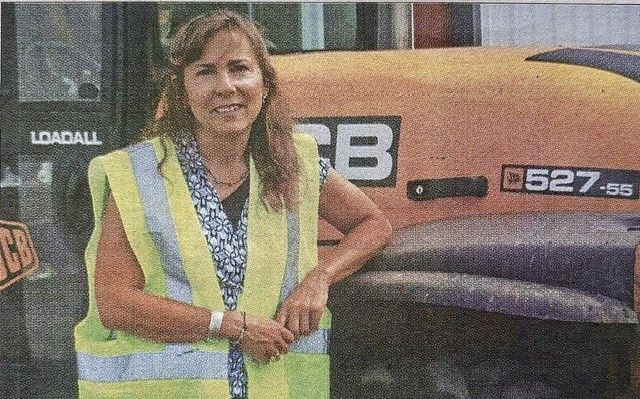
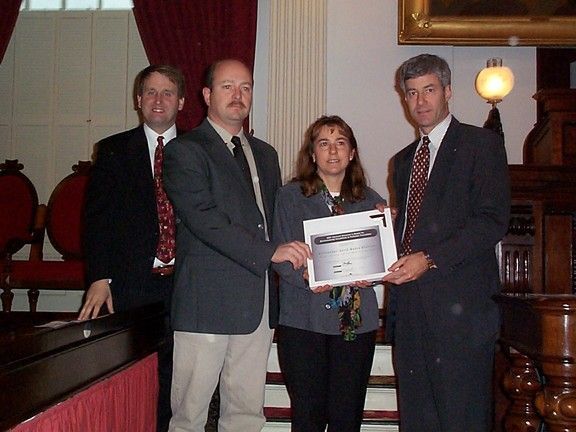
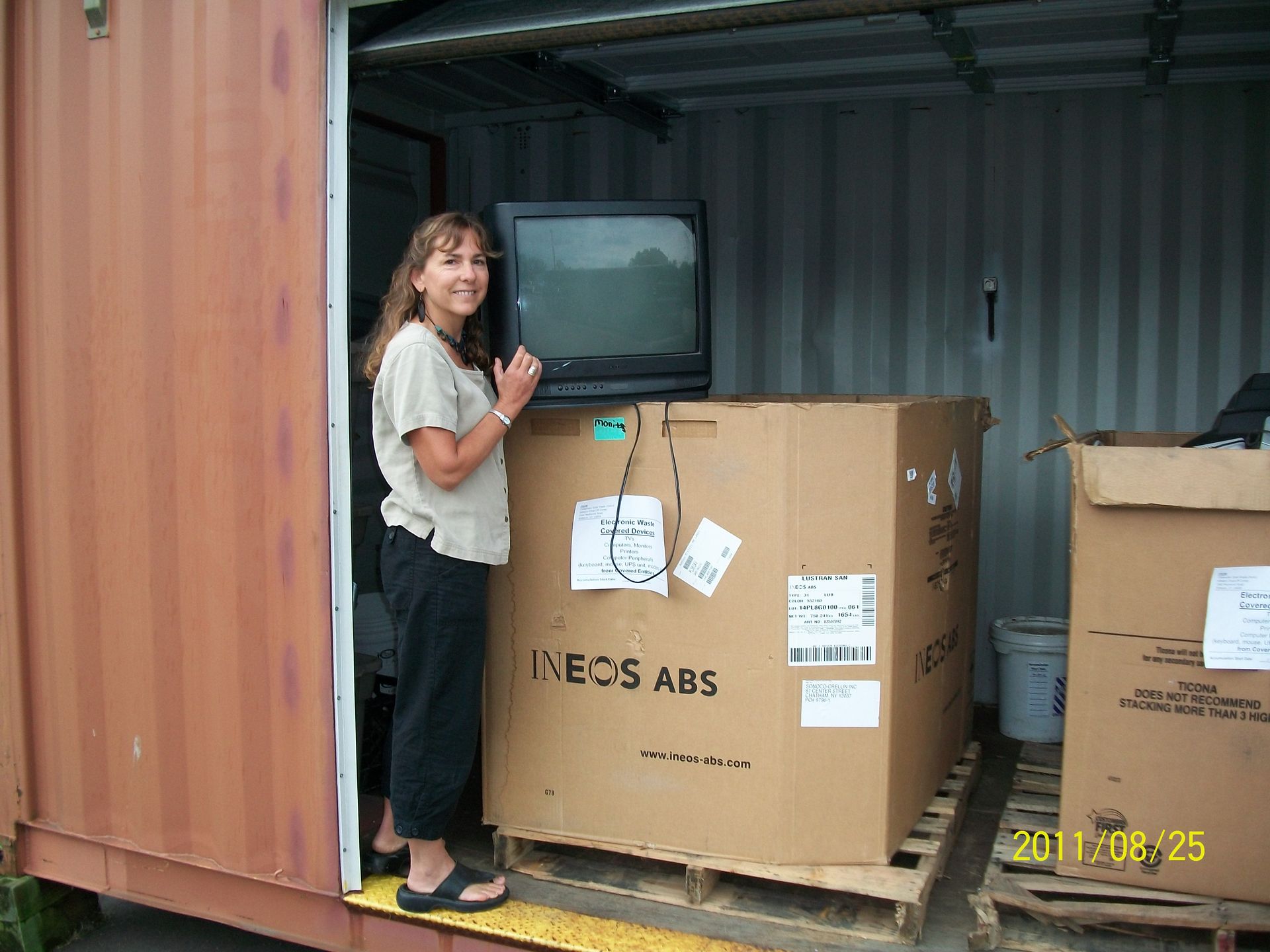
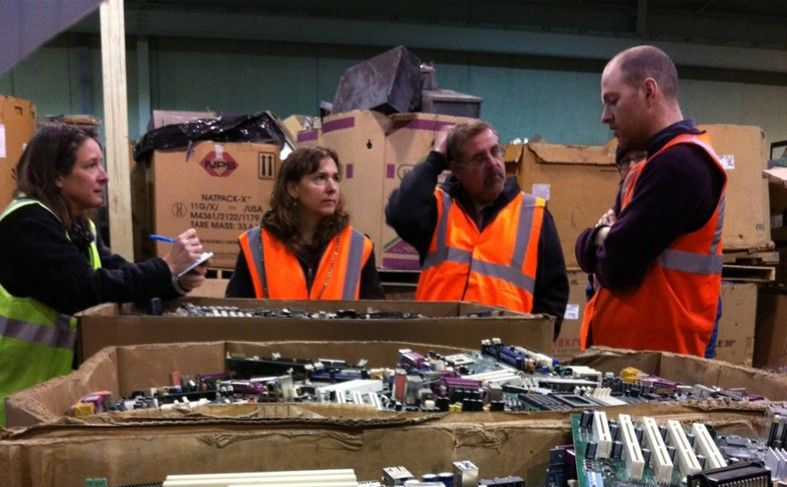
For more than 35 years, Jen has been a leader in advancing sustainability, waste reduction, and resource conservation in Vermont and across the nation. She began her career at the Chittenden Solid Waste District (CSWD) in 1991, where she designed and implemented the first mobile household hazardous waste collection facility in the East and, while managing the program, helped establish the region’s first paint recycling program, which continues today. But her experience managing hazardous waste led her to realize that providing ways to manage waste—and educating the public—was not enough. She wanted to change the system itself, creating incentives to prevent waste rather than simply manage it after it was created. That realization became the driving force behind more than two decades of leadership in public policy and a nationally recognized career in Extended Producer Responsibility (EPR).
She was instrumental in forming and chairing the Vermont Product Stewardship Council and lead the development and passage of the majority of EPR legislation in Vermont. Today, Vermont has nine EPR laws, including two that were first-in-the-nation programs, all contributing to lasting changes in how materials and waste are managed in the state. She also served on the Board of the Product Stewardship Institute, including eight years as Board Chair, helping advance product stewardship policy nationally. She played a key role in the passage of Vermont’s Universal Recycling Law, which included a first-in-the-nation landfill ban on food scraps—a milestone for which she received the Governor’s bill-signing pen. Throughout her career, Jen has worked at the intersection of policy, education, programs, and government regulation, to help elected officials, communities, businesses, and the public understand the importance of changing how we use, manage and conserve resources.
PaintCare
Outstanding Organization
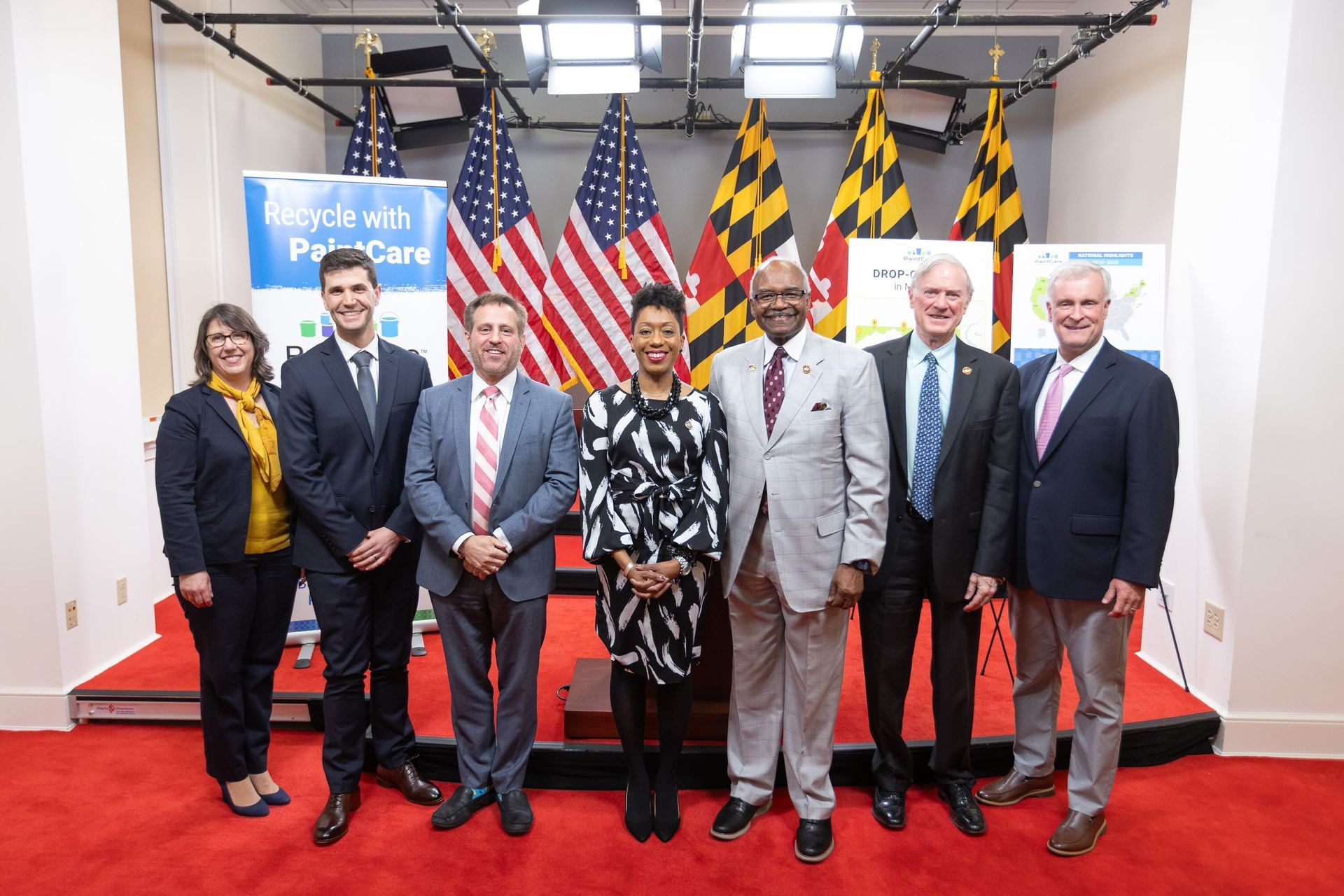
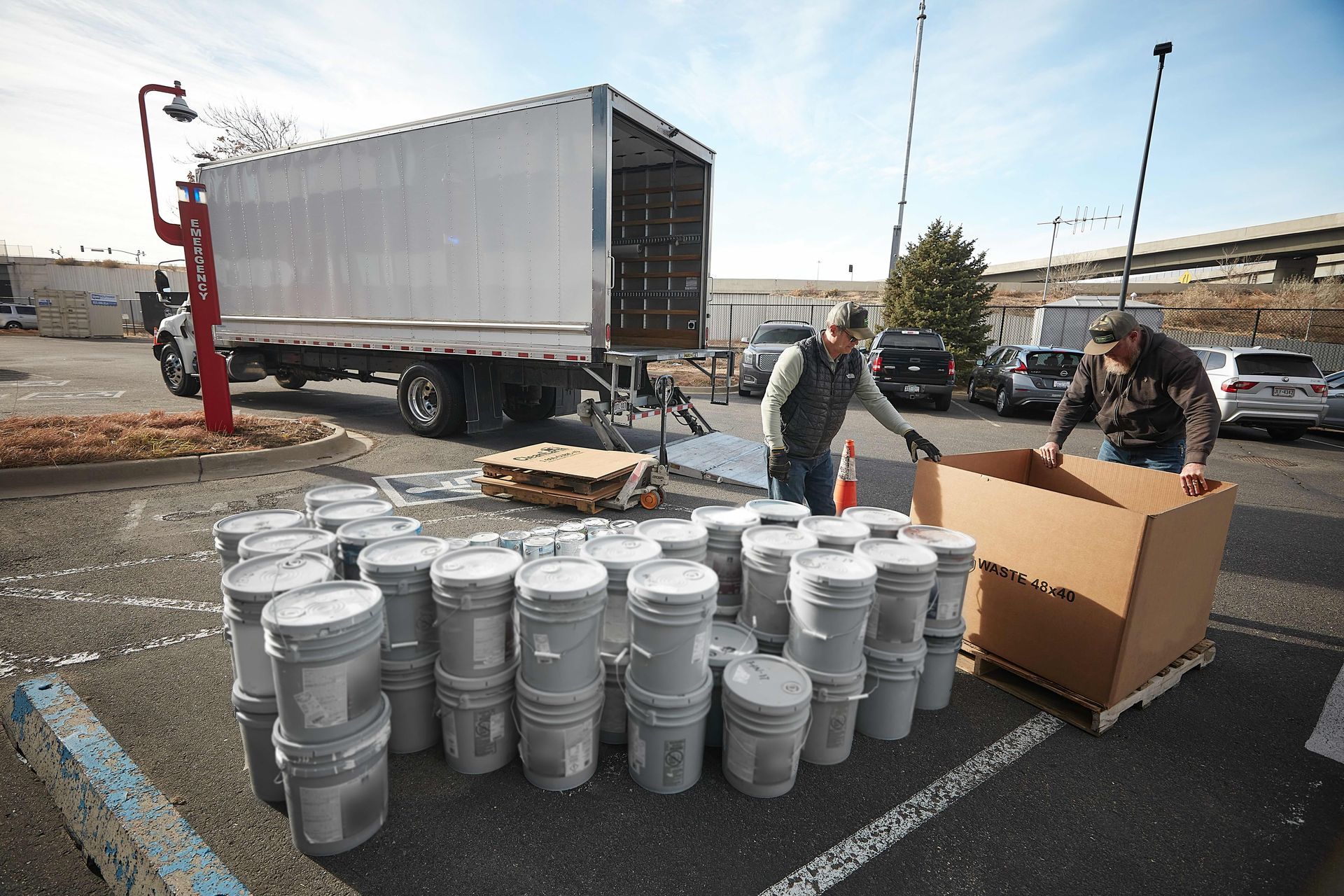

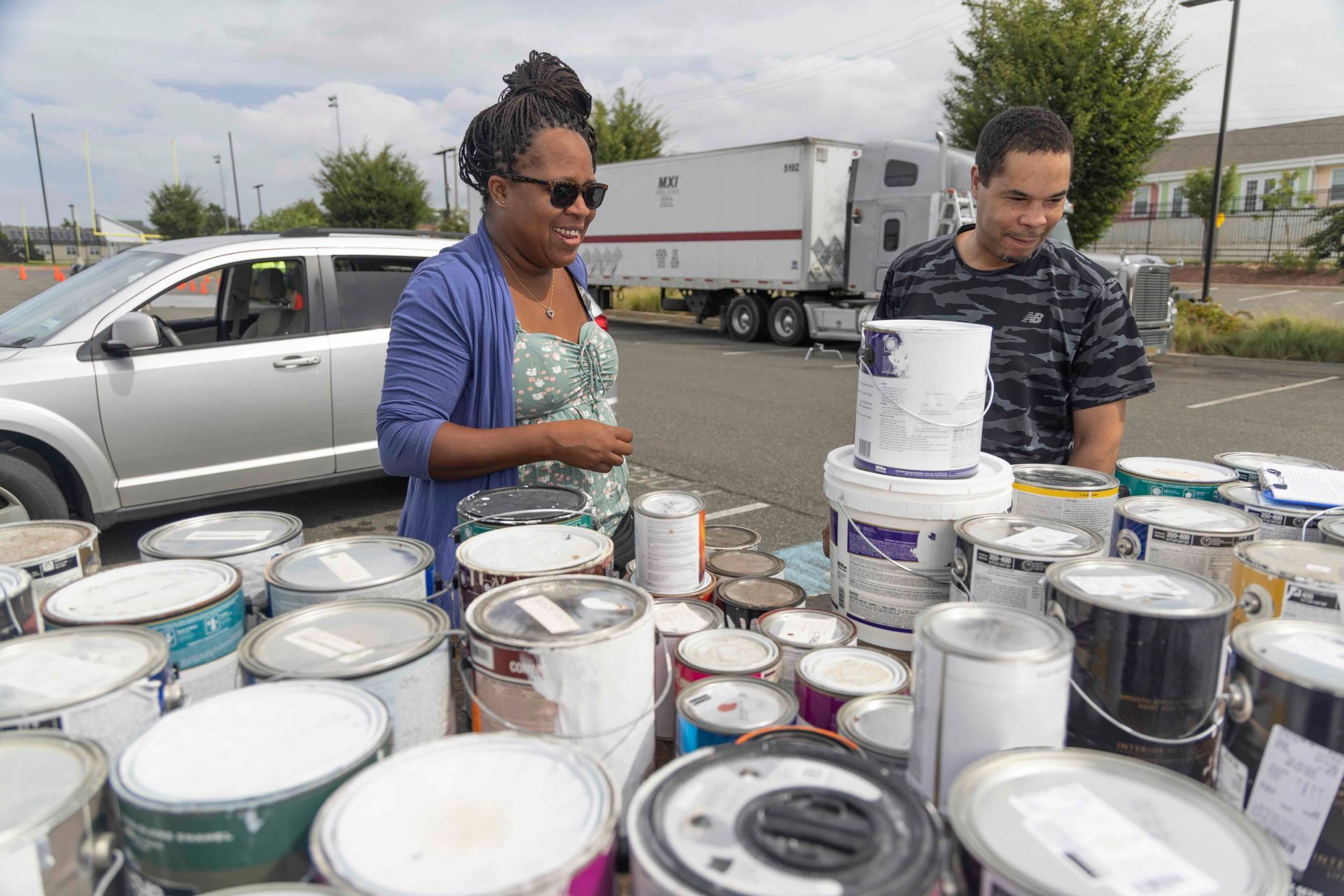
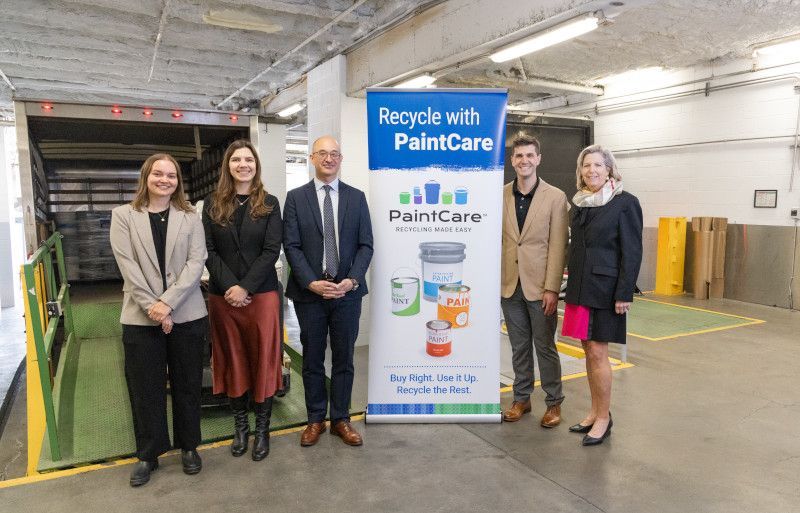
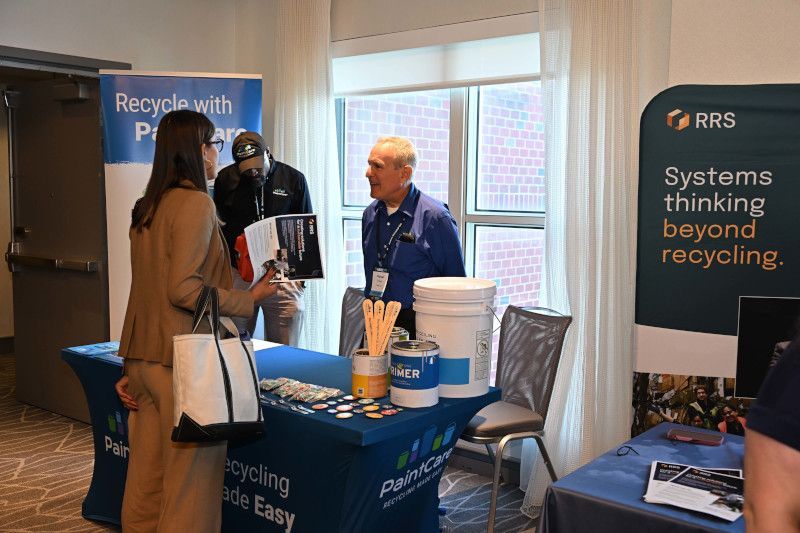
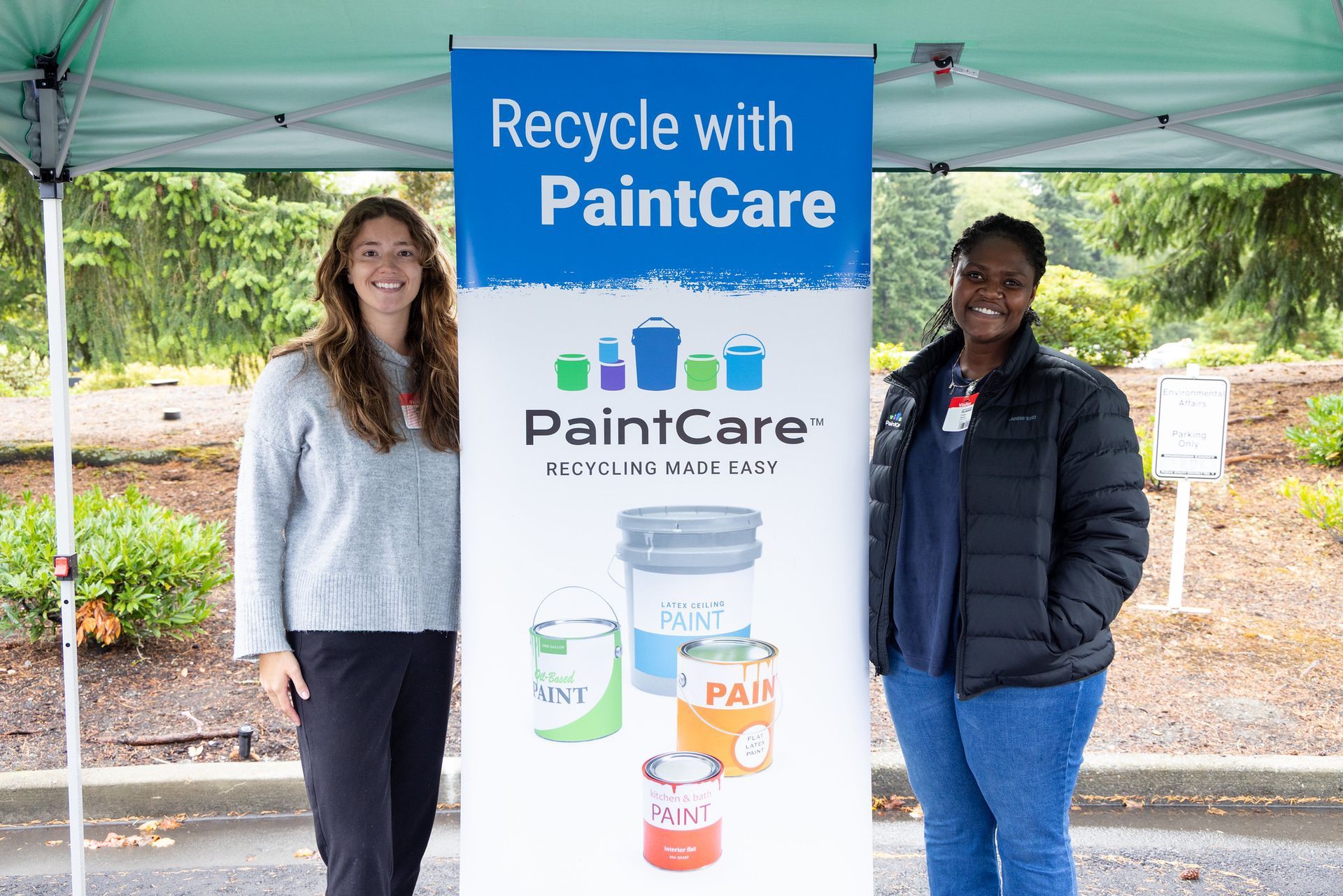
PaintCare is committed to making it easy and convenient for households, businesses, and institutions to recycle postconsumer (leftover) paint in states with paint stewardship laws. A nonprofit organization created by paint companies, PaintCare has set up over 3,000 drop-off locations for leftover paint, arranges for recycling and proper disposal, and conducts public education. An estimated 92 million gallons of paint, stain, and varnish have been managed by PaintCare in 12 states and the District of Columbia.
Town of East Hartford, Connecticut
Outstanding Community
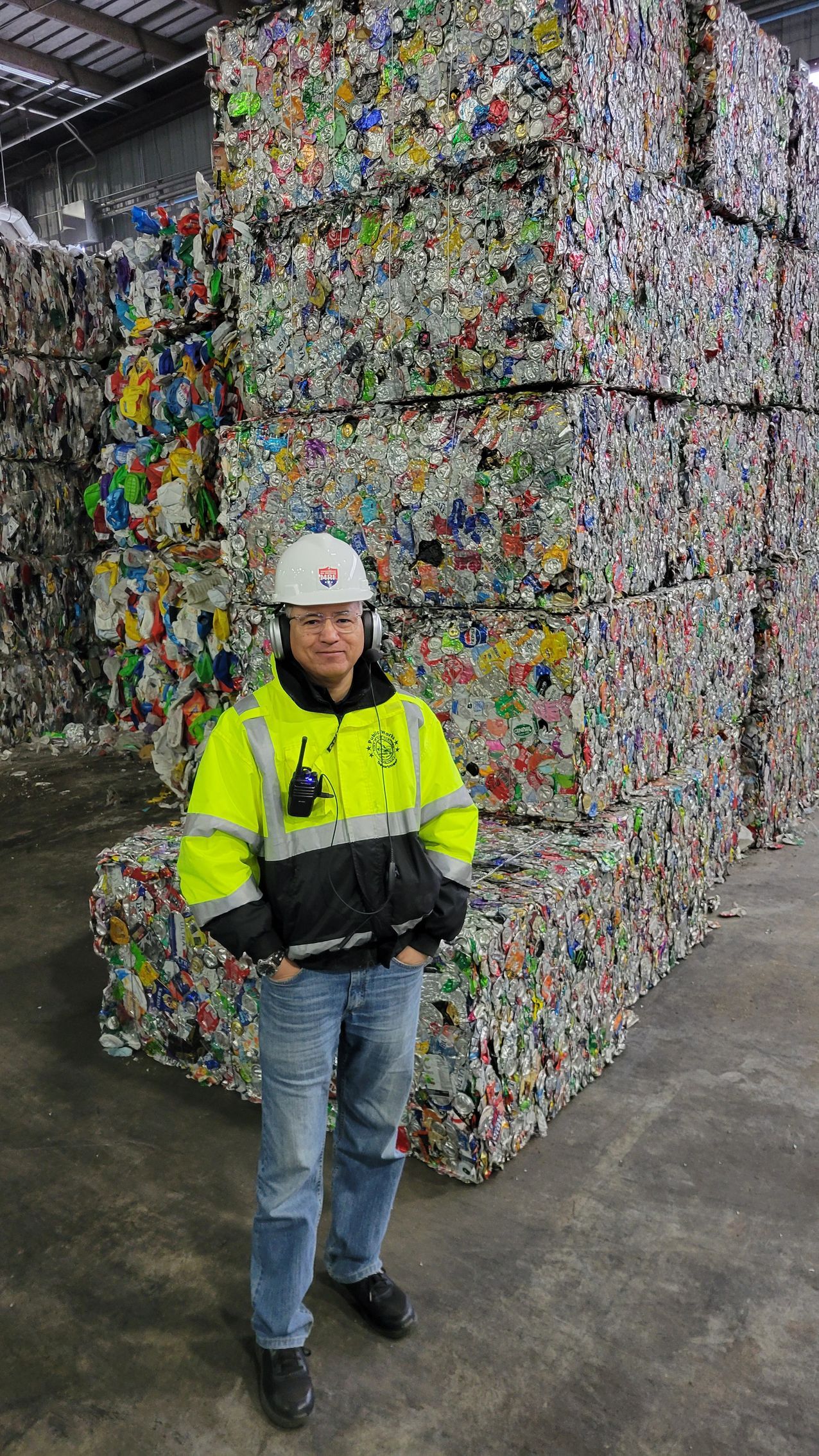
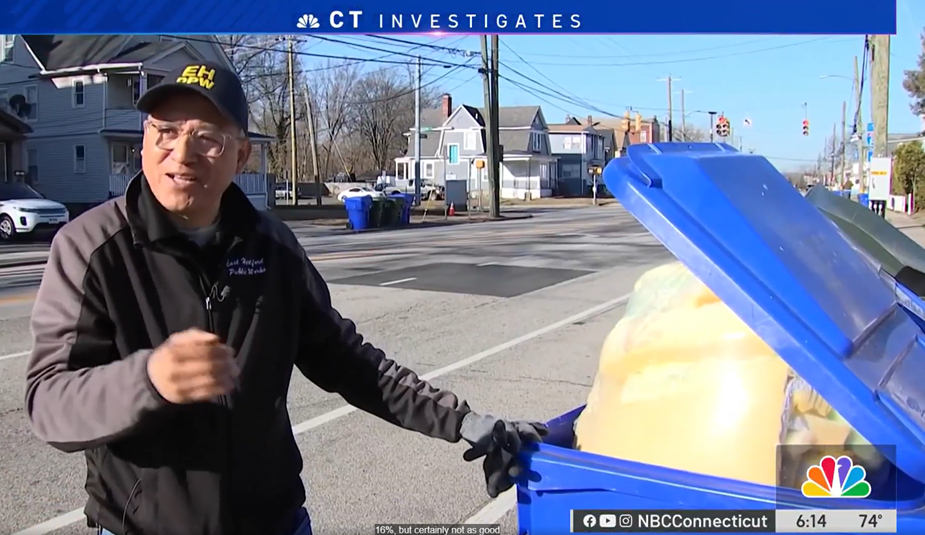
The Town of East Hartford has demonstrated how a municipality can transform its recycling system through sustained community engagement, data-driven management, education, and innovation.
Launched in 2022, East Hartford Recycles Clean began with a significant challenge: 53% contamination in the Town’s single-stream recycling and more than $203,000 in annual disposal costs associated with rejected recyclables. Rather than relying primarily on enforcement, the Town developed a comprehensive approach that combined route and material analysis, cart inspections, personalized resident feedback, bilingual education, neighborhood outreach, workshops, school programs, strategic communications, and operational improvements.
The results are remarkable. In four years, contamination fell from 53% to just 0.2%, while acceptable recycling increased from 47% to 99.8%. The Town’s diversion rate rose from 22% to 37%, rejected-recycling disposal costs fell from $203,738 to $1,063, and municipal solid waste disposal declined by nearly 3,500 tons annually. At the same time, clean recycling increased by more than 1,000 tons per year.
The initiative also expanded the Town’s vision of sustainable materials management through a food-scrap recycling pilot and continued efforts to make recycling information accessible to residents across the community.
Equally important, the initiative demonstrates the role recycling can play in environmental justice and equitable municipal service delivery. By providing residents with clear, accessible information and direct feedback rather than relying primarily on enforcement, East Hartford worked to ensure that residents across the community had the knowledge and opportunity to participate successfully in the recycling system. Improving recycling quality also helps ensure that public resources are used efficiently and that the environmental benefits of recycling reach the entire community.
East Hartford’s achievement is more than improved recycling statistics. It demonstrates that when residents are given the knowledge, tools, and opportunity to participate successfully, meaningful environmental change is possible. The Town has created a stronger, more equitable, financially responsible, and sustainable recycling system—and a model that other communities can learn from.