

Building Better Systems: Infrastructure That Drives Recycling Behavior
(May 7th, 2026)
This session explored the critical role of infrastructure for driving behavior change in recycling and composting programs. Education raises awareness, but it’s infrastructure that removes barriers, creates accountability, and helps ensure that better behaviors actually stick. Speakers highlighted successful food waste diversion programs in the United Kingdom, Washington, DC and Connecticut. Presentations touched on program results, successes, challenges, accessibility components, the element of tourism and the technology utilized to support these programs.
Thank You to Our Presenting Sponsor
metroSTOR provides secure, controlled-access infrastructure for waste, recycling and organics programs. They work with cities and housing providers to increase participation, reduce contamination and keep waste streams clean through better-designed drop-off and storage systems.

Meet our Speakers:

Nigel Deacon, Business Development Director, metroSTOR
Nigel Deacon is the Business Development Director for metroSTOR North America, a company that provides secure, controlled-access infrastructure for waste, recycling and organics programs. He works with cities, housing providers and campuses to improve participation, reduce contamination and keep waste streams clean through better-designed drop-off and storage systems. Nigel focuses on how infrastructure design can support behaviour change and help communities achieve more effective recycling and composting outcomes.
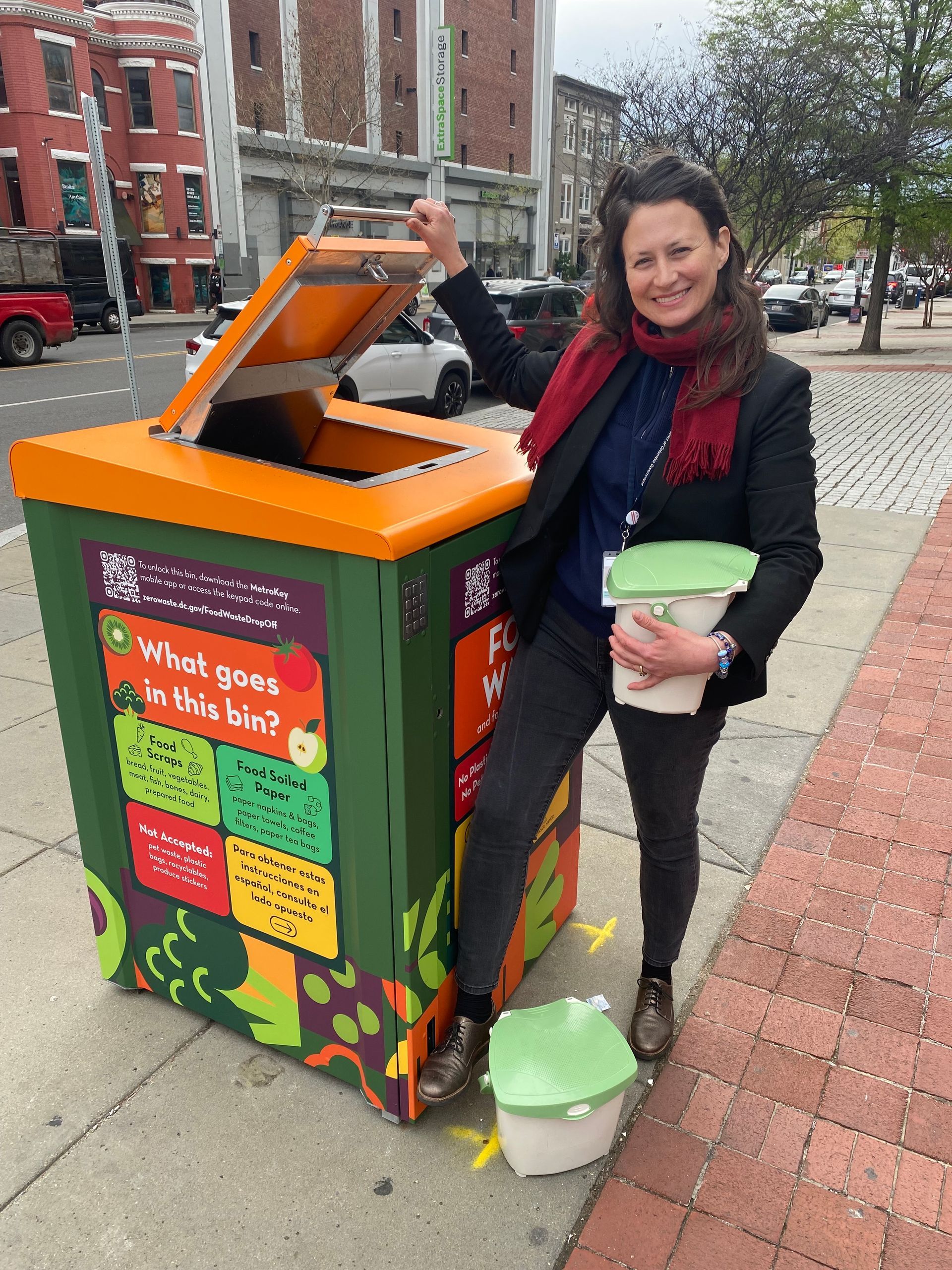
Ashlea Smith Sabeti, Program Analyst, Office of Waste Diversion
Ashlea Smith Sabeti is a Program Analyst with the DC Department of Public Works’ Office of Waste Diversion. She has 15 years of experience in solid waste management planning, composting, and recycling education and outreach. She presently focuses on food waste source separation in the District of Columbia and oversees DPW’s food waste drop-off program.

Jen Heaton-Jones, Executive Director, Housatonic Resources Recovery Authority
Jennifer Heaton-Jones is a leader in sustainable waste management and a driving force behind Connecticut’s organics evolution. As Executive Director of the HRRA, Jen launched the state’s first municipal food scraps curbside program in 2014, an innovative pilot that laid the groundwork for regional transformation. Under her leadership, the HRRA operates nine municipal drop-off sites and twenty satellite MetroSTOR container locations, empowering communities to participate in organics diversion. A Certified Master Composter, Jen teaches backyard composting throughout the year.
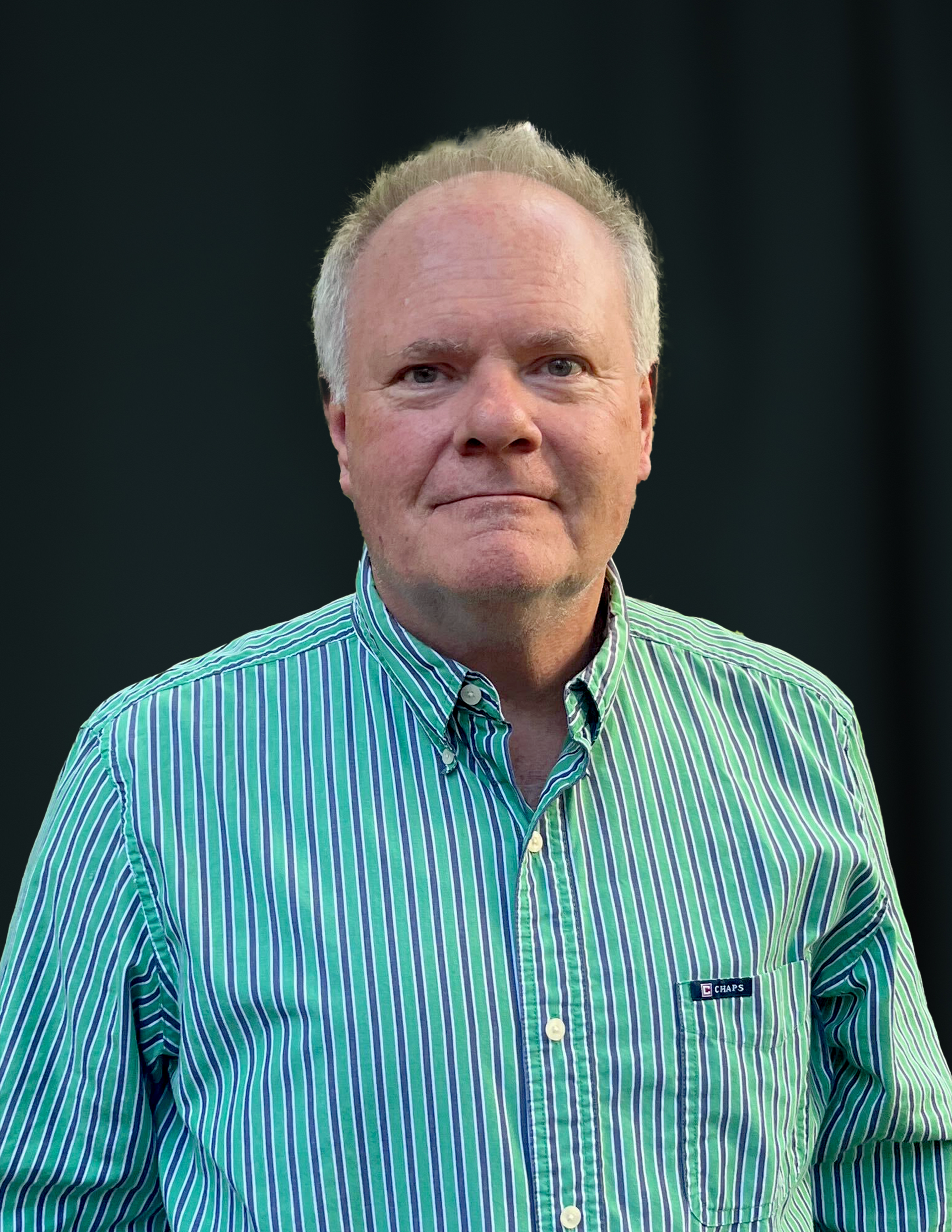
Chris Snow, Director of Public Policy, US Composting Council
Director of Public Policy for the United States Composting Council, with 39 years of experience in Public and Private Sector Land Use Planning and Solid Waste Management, with the last 15 years focused solely on private sector Organics Recycling and Composting. Currently Board Member and Vice-Chair of the Florida Composting Council, and previously the Chapter Director and Chair of the FLCC, as well as past Board Member of Recycle Florida Today. Bachelors in Resource Management from University of Wisconsin – Stevens Point and Master’s in Urban Planning from University of Wisconsin – Milwaukee.