

The Cycle of PFAS and its Evolving Landscape: Webinar Series
Have you ever wondered what per- and polyfluoroalkyl substances (PFAS) are, why they exist, and how concerned you should be? This webinar series will explore the lifecycle of PFAS, discussing alternative applications and the regulatory landscape. Expert speakers “pulled back the curtain,” unmasking the realities of PFAS and provided attendees with a clearer understanding of how, where, and why these chemicals appear in daily life.
Thank You to Our Presenting Sponsor
The American Chemistry Council’s mission is to advocate for the people, policy, and products of chemistry that make the United States the global leader in innovation and manufacturing.
The American Chemistry Council and its members believe chemistry plays an integral role in solving our world’s sustainability challenges. They are therefore committed to advancing safe, innovative, effective, and economically viable chemical products and technologies that are key to unlocking sustainability solutions.
Part I: The Cycle of PFAS
(March 24th, 2026)
This session explored the functional properties that make PFAS valuable and trace the pathways by which they enter and move through the environment. Experts examined how PFAS interact with compost, organics, and other biomaterials, and discuss the resulting environmental implications. The session assessed the roles these chemicals serve in products and the feasibility of available alternatives. Attendees left with a foundational understanding of how PFAS persist and circulate throughout our materials management systems.
Part II: The Evolving Landscape of PFAS
(March 25th, 2026)
As awareness of PFAS grows, so does the urgency to evaluate what comes next. This session expored the practical, regulatory, and market considerations shaping the transition away from PFAS. Speakers provided an overview of the evolving policy landscape at the state and federal levels, highlighting recent actions, proposed regulations, and emerging compliance requirements. The discussion explored how these policies could influence manufacturing practices, waste and recycling systems, and the evolving roles and obligations of key stakeholders.
Speakers Presentations Below
Part I: The Cycle of PFAS
Peter R. Jaffe, Princeton University
 View Presentation
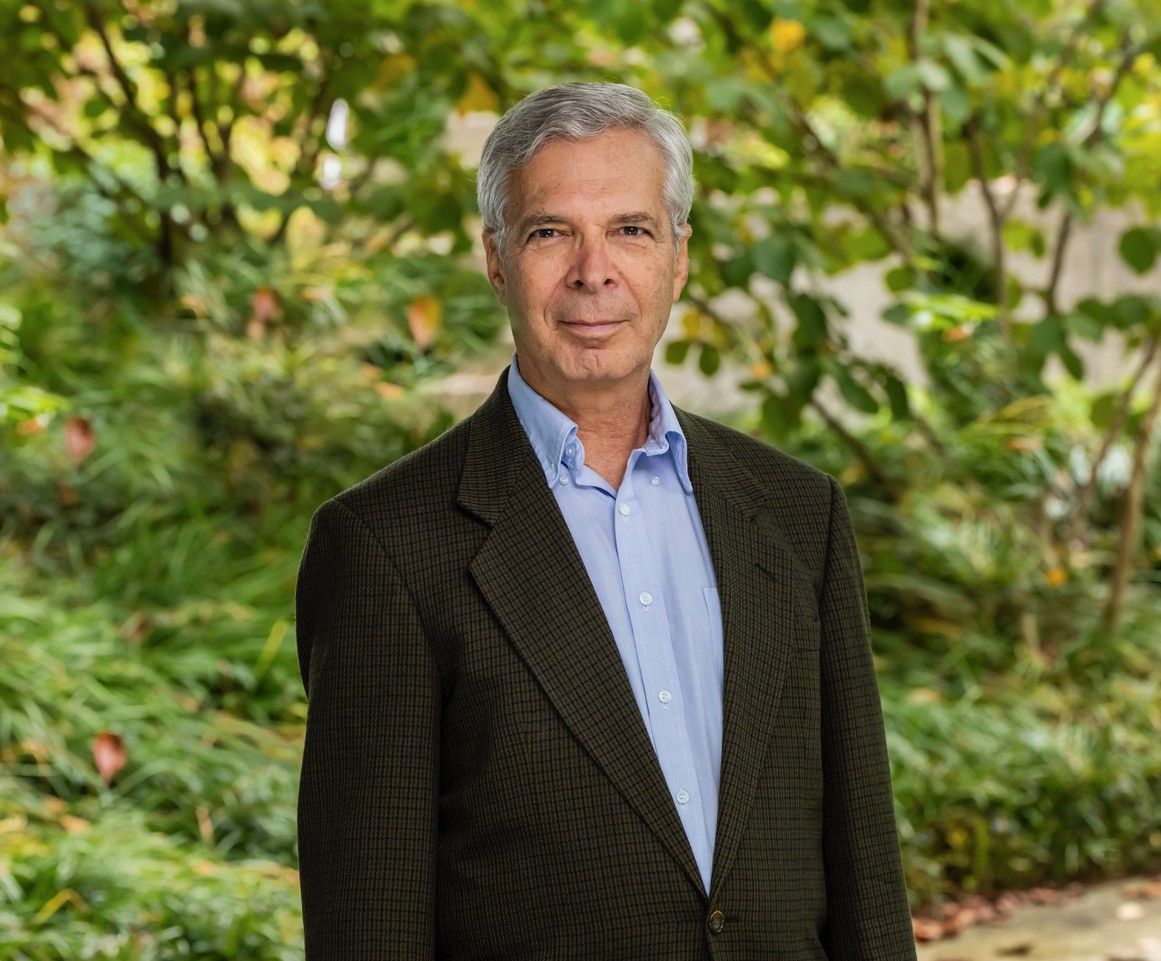
Peter R. Jaffe, Professor, Department of Civil and Environmental Engineering, Princeton University
Peter Jaffé joined the faculty of Princeton University in 1985 and is the William L. Knapp ’47 Professor of Civil Engineering, in Department of Civil and Environmental Engineering. He is a member of the NIEHS Center for Environmental Health Sciences at the Environmental and Occupational Health Sciences Institute, at Rutgers. His research has focused extensively on biological and chemical pollutant dynamics in porous media; simulation and analysis at the watershed scale of soil contamination processes and nutrient cycling; nitrogen cycling at the watershed scale; and dynamics of trace metals and radionuclides in sediments, wetland soils, and groundwater. Areas of current emphasis include biological defluorination of per- and polyfluorinated alkyl substances (PFAS). This effort ranges from gaining novel insights into the defluorination mechanism, applications such as bioremediation of aqueous firefighting foam (AFFF) impacted sites, the development of bioreactors for to treat PFAS impacted matrices, and the identification and use of the key enzymes that play a role in the PFAS defluorination process.
Dr. Arie Kremen, Tetra Tech
 View Presentation
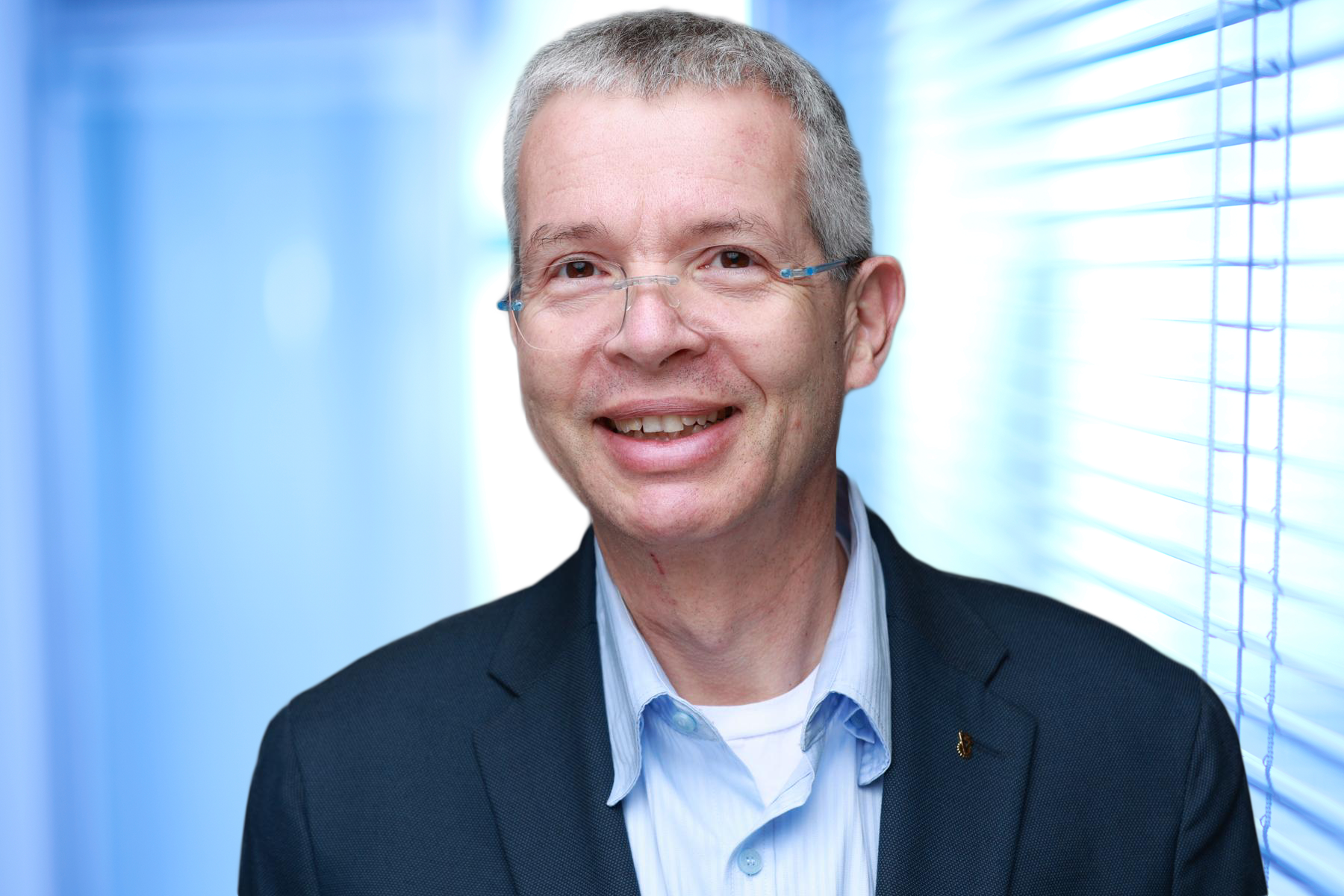
Dr. Arie Kremen, Senior Civil and Environmental Engineer, Tetra Tech
Dr. Arie Kremen is a senior civil and environmental engineer and nationally recognized leader in landfill leachate management with more than 30 years of professional experience. He holds a PhD in Civil and Environmental Engineering and advanced degrees in water resources engineering from the Technion – Israel Institute of Technology. Dr. Kremen specializes in the evaluation, design, permitting, and implementation of complex leachate treatment systems, including biological treatment, reverse osmosis (RO), advanced oxidation, and per- and polyfluoroalkyl substances (PFAS) focused technologies. He has led feasibility studies, pilot testing, and full scale treatment projects for municipal and private solid waste facilities nationwide, with a focus on regulatory compliance, lifecycle cost optimization, and long term operational sustainability. Dr. Kremen also provides strategic technical leadership through his roles with the Solid Waste Association of North America (SWANA), where he serves the Director of the Landfill Management Division.
Jay West, American Chemistry Council
 View Presentation
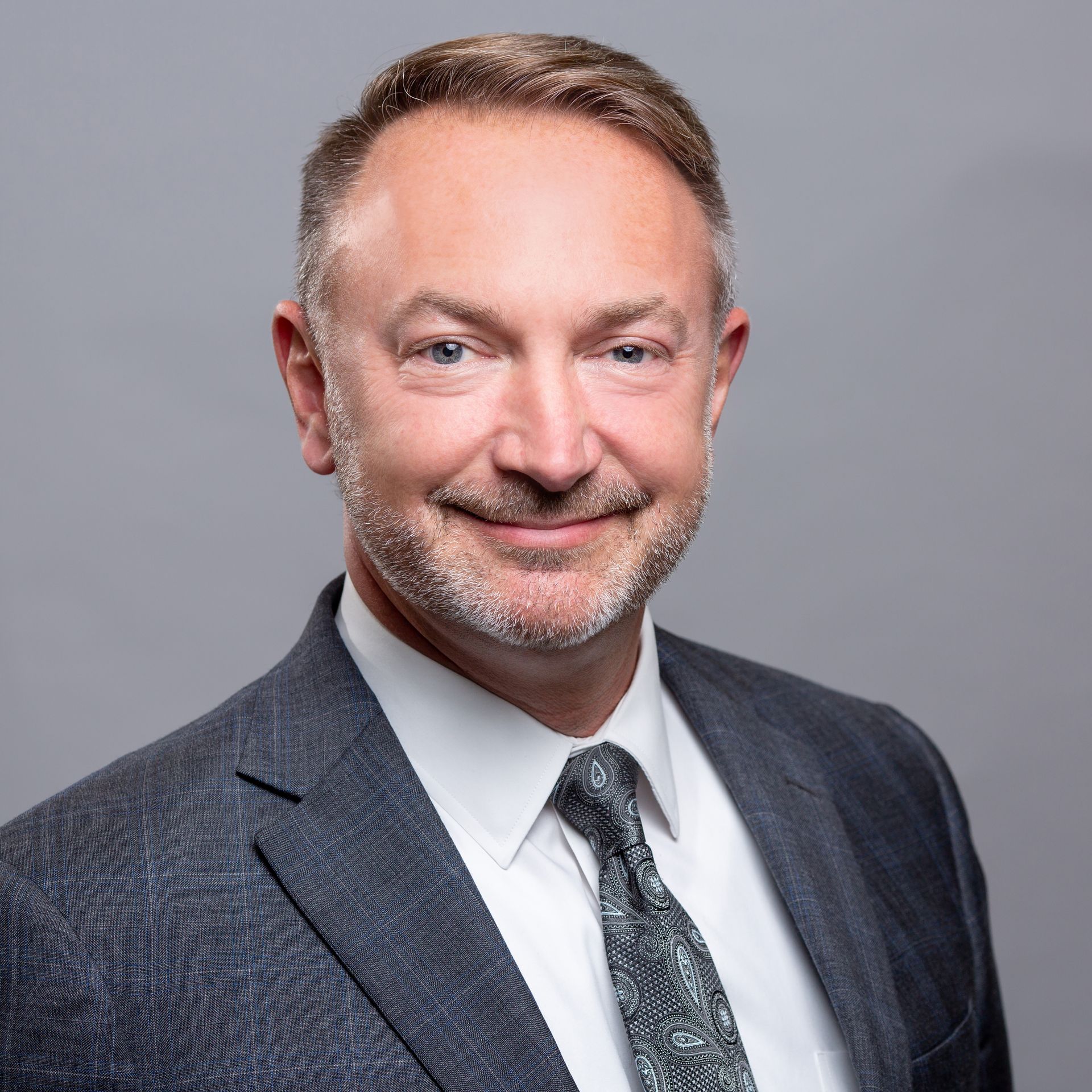
Jay West, Senior Director, Chemical Products and Technology, American Chemistry Council
Jay West is Senior Director, Chemical Products and Technology, at the American Chemistry Council, or ACC, in Washington, DC. He has nearly 20 years of experience serving as the staff executive for specialty trade associations managed under the ACC banner, representing them in legislative and regulatory matters at the state, national, and international levels.
In addition, Jay serves as the head of the industry delegation to the Chemicals and Biotechnology Committee at the 38-country Organization for Economic Cooperation and Development, or OECD. OECD’s chemical testing and assessment activities set scientific standards and guide policy development for regulatory programs around the world.
Jay earned his undergraduate degree at Virgia Tech and holds graduate degrees from Yale University and the University of Michigan.
Scott McNutt - Moderator
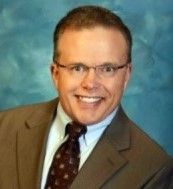
Scott McNutt, Founder and Senior Consultant, Nextep Partners LLC
Scott McNutt has over 40 years of experience in the paper industry, with a focus on process and product knowledge in the disciplines of papermaking, quality, engineering, operations management, Lean/Six Sigma, product development and innovation. He is also well-versed in the downstream converting processes and end use requirements for cut sheet, QSR, flexible packaging, and many technical specialty grades.
He started his career in specialty paper at Dunn Paper, serving in roles process engineering, quality management, and product development. He later transitioned to Fine Paper with Willamette in Hawesville Kentucky and was part of the effort to infuse state-of-the-art papermaking technology into the fine paper industry in the US. From there he moved to Mosinee Wisconsin to manage the production operations for Wausau Papers, returning to his specialty paper roots. To bring his career full circle, he returned to Dunn Paper in Port Huron to drive operations success and innovation.
Traveling through the years, he has toured a vast number of pulp and paper mills in the US and abroad, exploring new technology. Scott has been a member of TAPPI since 1985, attending numerous events at the local Chapters as well as annual Conferences. In addition, he has been active in the Smithers Specialty Papers Conferences in Europe and North America. He is currently active in the TAPPI Mentor program and recently joined the Tappi Nanotechnology subcommittee.
His primary focus now with Nextep Partners LLC Consulting is on paper innovations for sustainable packaging applications.
Part II: The Evolving Landscape of PFAS
Thomas Yoo, Maryland Department of the Environment
 View Presentation
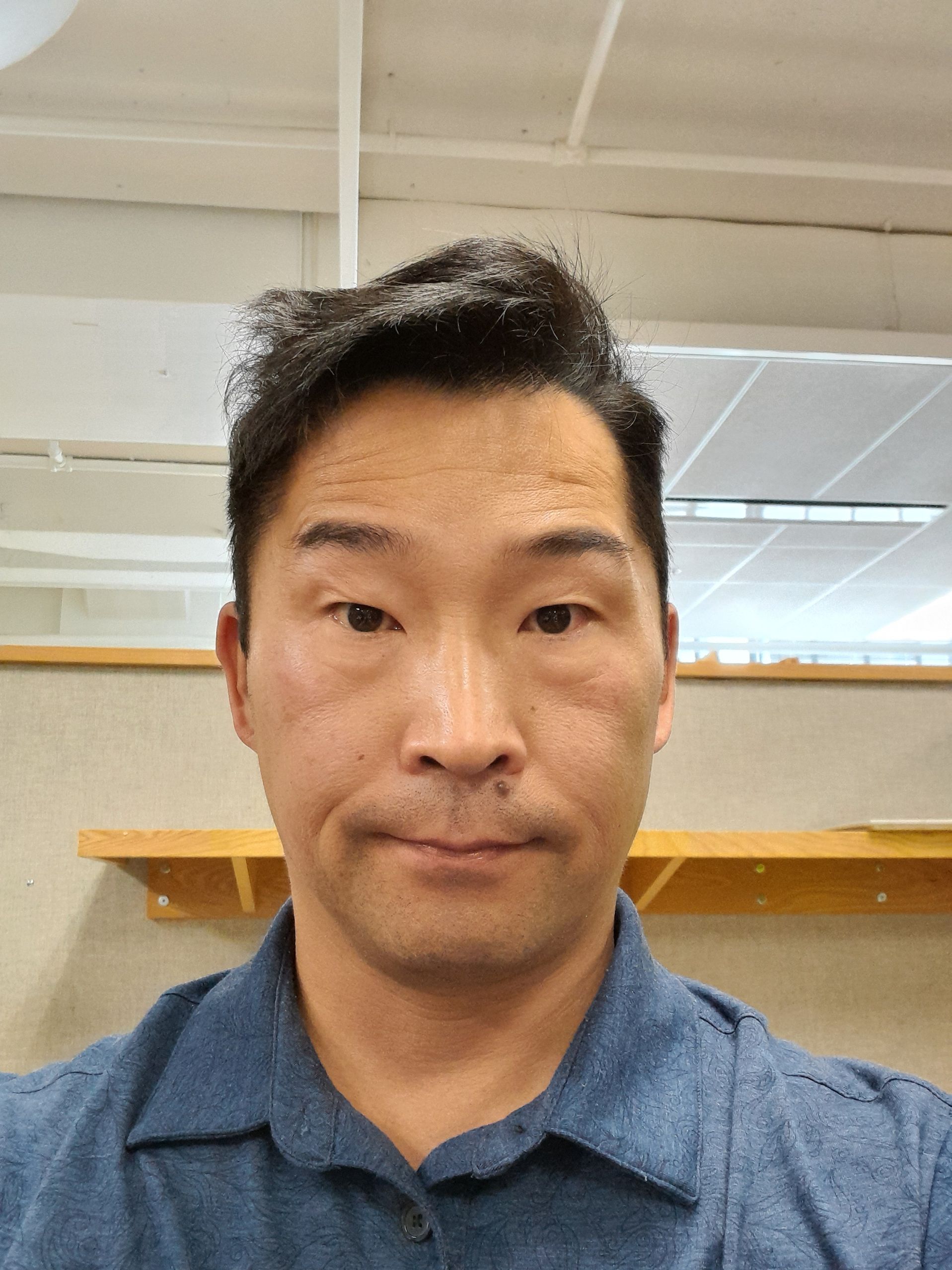
Thomas Yoo, Chief, Biosolids Division, MDE
Thomas Yoo, has been with the Maryland Department of the Environment (MDE) since 1999. He's currently the head of the Biosolids Division at MDE. He has lived in Maryland his whole life, and is married with 3 children.
He enjoys fishing, crabbing and growing crazy amounts of fruits and vegetables to share with all his coworkers.
Dr. Sharon Koh-Fallet, FDA
 View Presentation
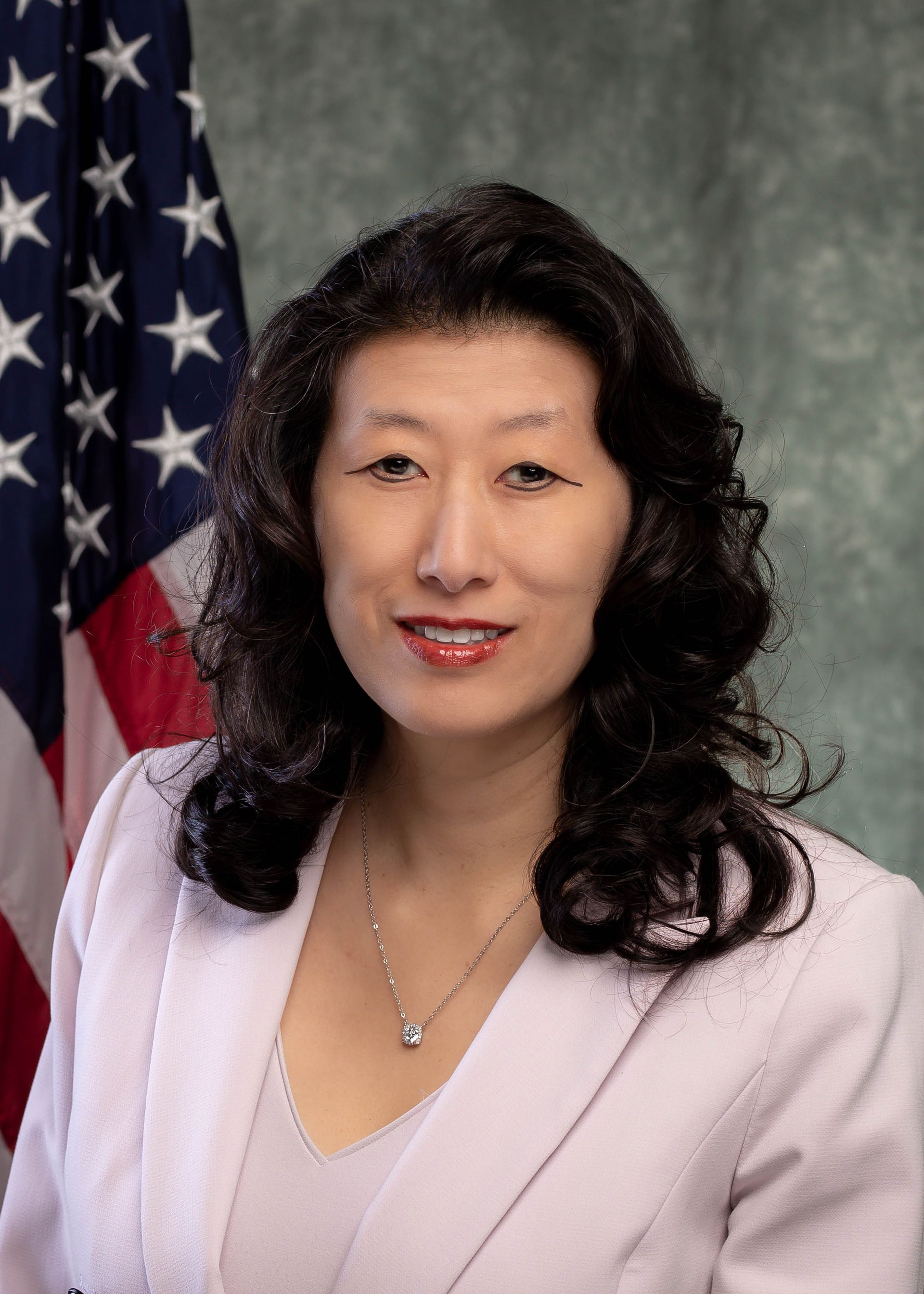
Dr. Sharon Koh-Fallet, Regulatory Management Branch, DFCS, OPMAS, OFCSDSI, HFP, FDA
Dr. Sharon Koh-Fallet is the Branch Chief for the Regulatory Management Branch in the Division of Food Contact Substances (DFCS) in the Office of Pre-Market Additive Safety (OPMAS) in the Office of Food Chemical Safety, Dietary Supplements, and Innovation (OFCSDSI) within the Human Foods Program in the U.S. FDA. Dr. Koh-Fallet has worked on a variety of review work within DFCS ranging from premarket industry submissions to post-market safety review projects. Dr. Koh-Fallet received her Bachelor of Science degree as a dual major in Chemistry and Physics from James Madison University. She received her doctorate in Chemistry from Northwestern University. Following the completion of her doctorate degree, Dr. Koh-Fallet worked at Milliken & Company for 6.5 years as a Research Chemist. Dr. Koh-Fallet then worked at the Naval Research Laboratory as a postdoctoral fellow, followed by a position as a staff scientist at Strategic Analysis, Inc., where she served as scientific and technical support to various government program managers. Dr. Koh-Fallet joined the FDA in January of 2017. In 2019, Dr. Koh-Fallet served as a team lead in the Regulatory Review Branch in DFCS. She became the Branch Chief in July 2022, where she continues to assist in managing premarket industry submissions, and other projects for both herself and the branch. Dr. Koh-Fallet serves as the regulatory expert and point of contact on food contact related per- and polyfluoroalkyl substances (PFAS).
Susanne Miller, Maine Dept. of Environmental Protection
 View Presentation
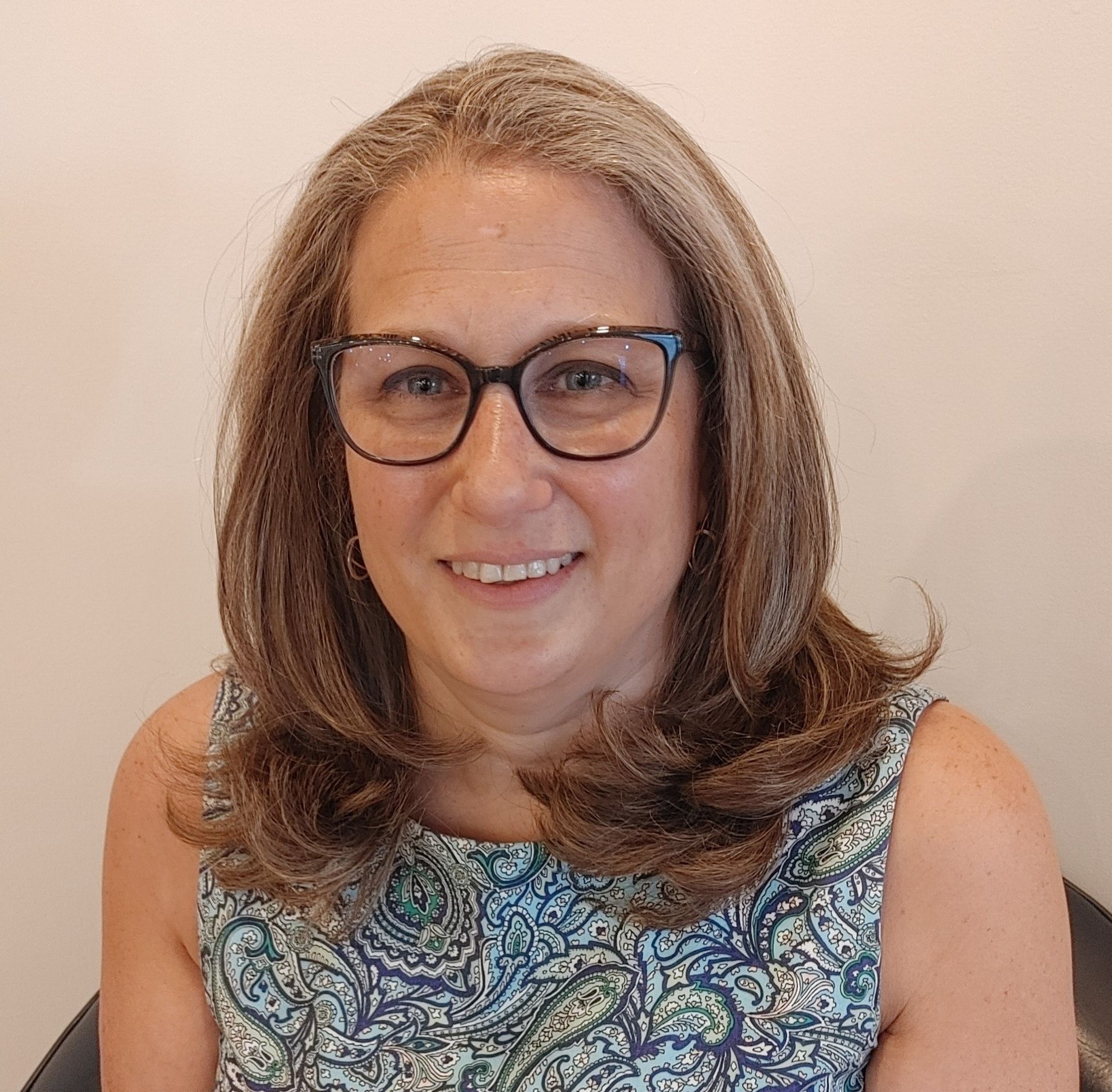
Susanne Miller, Director of the Bureau of Remediation and Waste Management, Maine DEP
Susanne Miller is the Director of the Bureau of Remediation and Waste Management at the Maine Department of Environmental Protection and has been in this position since June 2021. Before this, Susanne was the Director of the Department’s Eastern Maine Regional Office for 8 years. Susanne has worked for over 27 years in the environmental field including the Federal, State, non-profit, and private sectors. As Director for the Bureau, Susanne oversees 5 Divisions with oversight over several programs including: Materials Management, Remediation and Site Cleanups, Oil Spills and Hazardous Materials Response, and Emerging Contaminants including PFAS.
Scott McNutt - Moderator
Scott McNutt, Founder and Senior Consultant, Nextep Partners LLC
Scott McNutt has over 40 years of experience in the paper industry, with a focus on process and product knowledge in the disciplines of papermaking, quality, engineering, operations management, Lean/Six Sigma, product development and innovation. He is also well-versed in the downstream converting processes and end use requirements for cut sheet, QSR, flexible packaging, and many technical specialty grades.
He started his career in specialty paper at Dunn Paper, serving in roles process engineering, quality management, and product development. He later transitioned to Fine Paper with Willamette in Hawesville Kentucky and was part of the effort to infuse state-of-the-art papermaking technology into the fine paper industry in the US. From there he moved to Mosinee Wisconsin to manage the production operations for Wausau Papers, returning to his specialty paper roots. To bring his career full circle, he returned to Dunn Paper in Port Huron to drive operations success and innovation.
Traveling through the years, he has toured a vast number of pulp and paper mills in the US and abroad, exploring new technology. Scott has been a member of TAPPI since 1985, attending numerous events at the local Chapters as well as annual Conferences. In addition, he has been active in the Smithers Specialty Papers Conferences in Europe and North America. He is currently active in the TAPPI Mentor program and recently joined the Tappi Nanotechnology subcommittee.
His primary focus now with Nextep Partners LLC Consulting is on paper innovations for sustainable packaging applications.