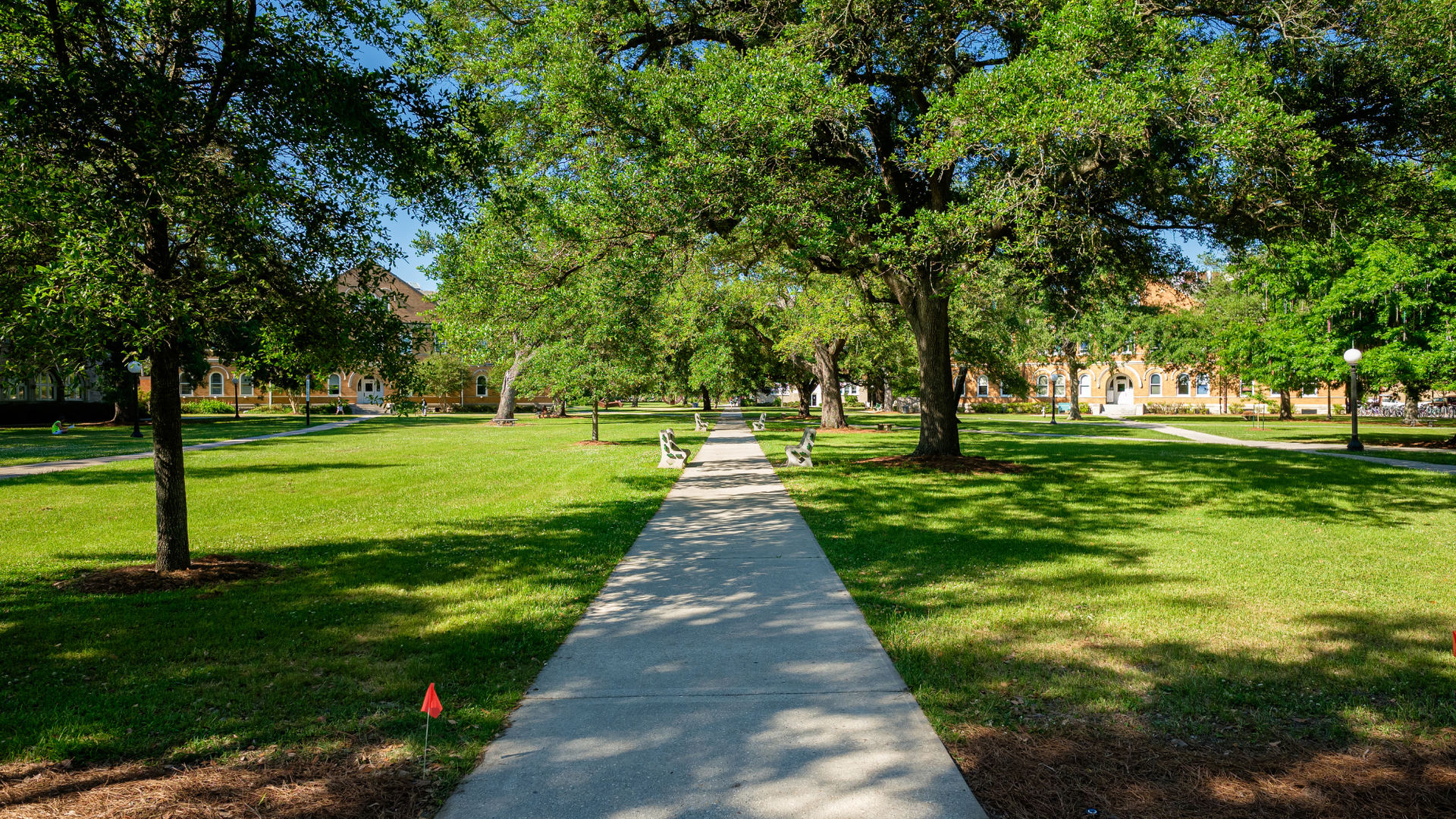


University of Vermont Casella Center for Circular Economy and Sustainability

Sophie Leone • March 24, 2026

The University of Vermont (UVM) launched the Casella Center for Circular Economy and Sustainability in 2025, with support from a large gift by Casella Waste Systems, Inc. The Center is a “research hub developing sustainable solutions for waste and materials management that reduce pollution and create economic opportunities.” The work done in the UVM Casella Center builds on three decades of collaboration between Casella Waste Systems and UVM.


The Casella Center is a part of the Rubenstein School of Environment and Natural Resources. The Rubenstein School has “prepared environmentally and socially responsible leaders, scientists, practitioners, and advocates” for 50 years. While based in the Rubenstein School, the Casella Center includes UVM faculty affiliates and students spanning multiple disciplines and Colleges, including engineering, agriculture, life sciences, and policy.


“At the UVM Casella Center, we are focused on the intersection of rigorous scholarship and practical solutions. This requires us to work collaboratively with many stakeholders, including those in the public and private sectors working hard daily to improve our materials management systems. Joining NERC will help us stay connected to the Northeast sustainable materials management community.” – Dr. Eric Roy, Director, UVM Casella Center for Circular Economy and Sustainability


NERC is excited to welcome The University of Vermont Casella Center for Circular Economy and Sustainability to our growing group of academic institutions. We look forward to supporting their students and ongoing efforts to make lasting environmental impacts.


For more information on UVM Casella Center for Circular Economy and Sustainability visit.

Share Post

By Megan Fontes • October 29, 2026
NERC’s Material Recovery Facilities (MRF) Commodity Values Survey Report for April – June 2026 reflects the continuing rise of commodity values across the Northeast after several quarters of decline. Dual stream/source-separated MRFs continued to report higher average commodity values than single stream MRFs. The average blended commodity value increased by 11.1% to $93.03 per ton without residuals and by 15.24% to $76.37 per ton with residuals in Q2 2026 compared to Q1 2026. Single stream values increased by 12.3% to $91.28 per ton without residuals and by 11.37% to $74.74 per ton with residuals. Dual stream values increased by 8.04% to $98.65 per ton without residuals and by 28.33% to $81.62 per ton with residuals.
By Recycling Product News • October 14, 2026
The Recycled Materials Association (ReMA) and the Northeast Recycling Council (NERC) have launched a new pilot initiative to train the next generation of recycling professionals: the Sustainable Materials Careers Program (SMCP). Take a look inside the Sustainable Materials Careers Program Building on the success of NERC's Emerging Professionals Program, which offers new professionals exposure to sustainable materials management (SMM), mentorship, and career guidance, SMCP will focus on college students — with the potential to engage high school students in the future. The program will give students a deeper understanding of career opportunities in SMM and provide hands-on pathways from the classroom to the workplace. Through Career Exploration events and professional development training, students will gain industry exposure, build foundational knowledge, and chart a clear path toward careers in sustainable materials. Career Exploration events will be part of ReMA's Recycling Jobs Day initiative, a national program connecting students with careers in the recycled materials industry. Event activities will include tours of material recovery, recycling, and/or manufacturing facilities, as well as panels highlighting diverse career pathways in the sector. "Many students want to work in sustainability, but they rarely see the diverse career paths available across the materials lifecycle," said Megan Schulz-Fontes, executive director of NERC. "By combining hands-on facility tours with foundational training, this program opens doors across every corner of the industry — including state and municipal governance, equipment and technology manufacturers, recycling infrastructure, and corporate sustainability teams — ensuring the next generation is equipped to lead." Growth in sustainability has increased the number of professionals needed to run the industry The material economy accounts for over 40 percent of U.S. greenhouse gas emissions, according to the EPA. Recycling and composting in the United States prevent the release of roughly 186 million metric tons of carbon dioxide equivalent into the air each year — an impact equal to taking over 39 million gasoline-powered cars off the road annually. Compared to the processing and transportation needed for mining, drilling, harvesting, or other methods of extracting natural resources for manufacturing, the use of recycled materials typically produces fewer greenhouse gas emissions. Global demand for green jobs is growing at 8 percent per year. Yet, LinkedIn's Global Green Skills Report highlights a shortage of qualified talent, with many roles unfilled due to limited training and a lack of mixed skills, as noted by the Institute of Sustainability Studies. SMCP addresses these gaps by increasing awareness of sustainable materials careers and offering free training to participating students. In the 2026-2027 academic year, NERC plans to hold six Career Exploration events and provide enrollment in its Foundations of Sustainable Materials and Recycling course at no cost to students from participating Academic Partners. Current Academic Partners include MIT Department of Materials Science & Engineering, Rowan University Advanced Materials & Manufacturing Institute, University of Massachusetts Lowell, University of New Hampshire Sustainability Institute, University of Southern Maine, and Yale. Read on Recycling Product News.
By Waste Advantage • October 9, 2026
In partnership, Northeast Recycling Council (NERC) and Recycled Materials Association (ReMA), announce the launch of a new pilot initiative: the Sustainable Materials Careers Program (SMCP). Building on the success of NERC’s Emerging Professionals Program, which offers new professionals exposure to sustainable materials management (SMM), mentorship, and career guidance, SMCP will focus on college students – with the potential to engage high school students in the future. The program will give students a deeper understanding of career opportunities in SMM and provide hands-on pathways from the classroom to the workplace. Through Career Exploration events and professional development training, students will gain industry exposure, build foundational knowledge, and chart a clear path toward careers in sustainable materials. Career Exploration events will be part of ReMA’s Recycling Jobs Day initiative, a national program connecting students with careers in the recycled materials industry. Event activities will include tours of material recovery, recycling, and/or manufacturing facilities, as well as panels highlighting diverse career pathways in the sector. “Many students want to work in sustainability, but they rarely see the diverse career paths available across the materials lifecycle,” said Megan Schulz-Fontes, Executive Director of NERC. “By combining hands-on facility tours with foundational training, this program opens doors across every corner of the industry—including state and municipal governance, equipment and technology manufacturers, recycling infrastructure, and corporate sustainability teams—ensuring the next generation is equipped to lead.” The material economy accounts for over 40% of U.S. greenhouse gas emissions, according to the EPA. Recycling and composting in the United States prevent the release of roughly 186 million metric tons of carbon dioxide equivalent into the air each year—an impact equal to taking over 39 million gasoline-powered cars off the road annually. Compared to the processing and transportation needed for mining, drilling, harvesting, or other methods of extracting natural resources for manufacturing, the use of recycled materials typically produces fewer greenhouse gas emissions. Global demand for green jobs is growing at 8% per year. Yet, LinkedIn’s Global Green Skills Report highlights a shortage of qualified talent, with many roles unfilled due to limited training and a lack of mixed skills, as noted by the Institute of Sustainability Studies. SMCP addresses these gaps by increasing awareness of sustainable materials careers and offering free training to participating students. In the 2026-2027 academic year, NERC plans to hold six Career Exploration events and provide enrollment in its Foundations of Sustainable Materials and Recycling course at no cost to students from participating Academic Partners. Current Academic Partners include MIT Department of Materials Science & Engineering, Rowan University Advanced Materials & Manufacturing Institute, University of Massachusetts Lowell, University of New Hampshire Sustainability Institute, University of Southern Maine, and Yale Office of Sustainability. NERC invites forward-thinking businesses and organizations to support and expand the Northeast Sustainable Materials Careers Program. By becoming a Program Partner, sponsors directly enable more students to access free training and hands-on industry exposure—building a strong, qualified pipeline for the future circular economy workforce. Read on Waste Advantage.