

RRU Conference Speakers
View speakers and their presentations for each session by clicking the session below.
October 6 | Day One Sessions
October 7 | Day Two Sessions
Day One Speakers | Tuesday, October 6th
Improving Recycling Access for Underserved Communities
This session will offer a national, data-focused perspective on recycling access and strategies to quantify and expand access for underserved communities across both urban and rural areas. Speakers will then explore county-level approaches to incorporating equity into state program funding, followed by a closer look at infrastructure strategies designed to provide effective recycling services to urban and rural communities.
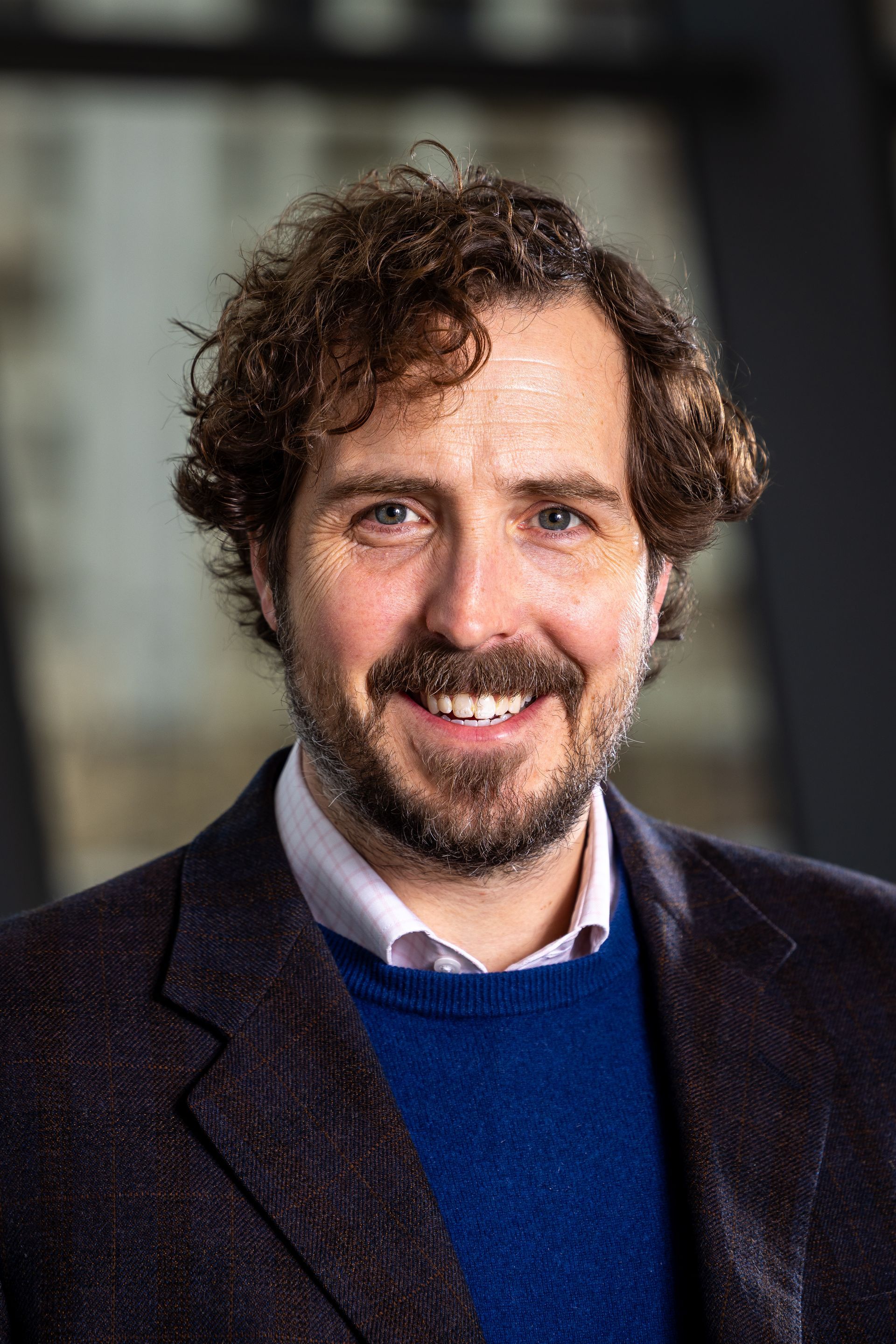
John Atkinson, Environmental Engineering Professor, University at Buffalo
John is an environmental engineering professor at the University at Buffalo, where his work is driven by an overarching desire to more sustainably produce and consume, resulting in a diverse portfolio of publications and seminars. With on-going funding from New York State and the U.S. National Science Foundation, as well as local industry, he is currently researching within the broad field of waste management, using life cycle analysis tools to investigate plastics and tire recycling, waste disposal options, and energy recovery. His work targets real-world problems that impact everyday life, aiming to make engineering more thoughtful and accessible.
Atkinson emboldens lifestyle changes that promote sustainability. He encourages his students to expand their comfort zones, holistically problem solve, and embrace their creativity through engineering design.
He received a BS in Chemistry from the University of Illinois in 2007, a MS in Environmental Engineering in Civil Engineering from the University of Illinois in 2009 and a Ph.D in Environmental Engineering in Civil Engineering from the University of Illinois (UIUC) in 2013.
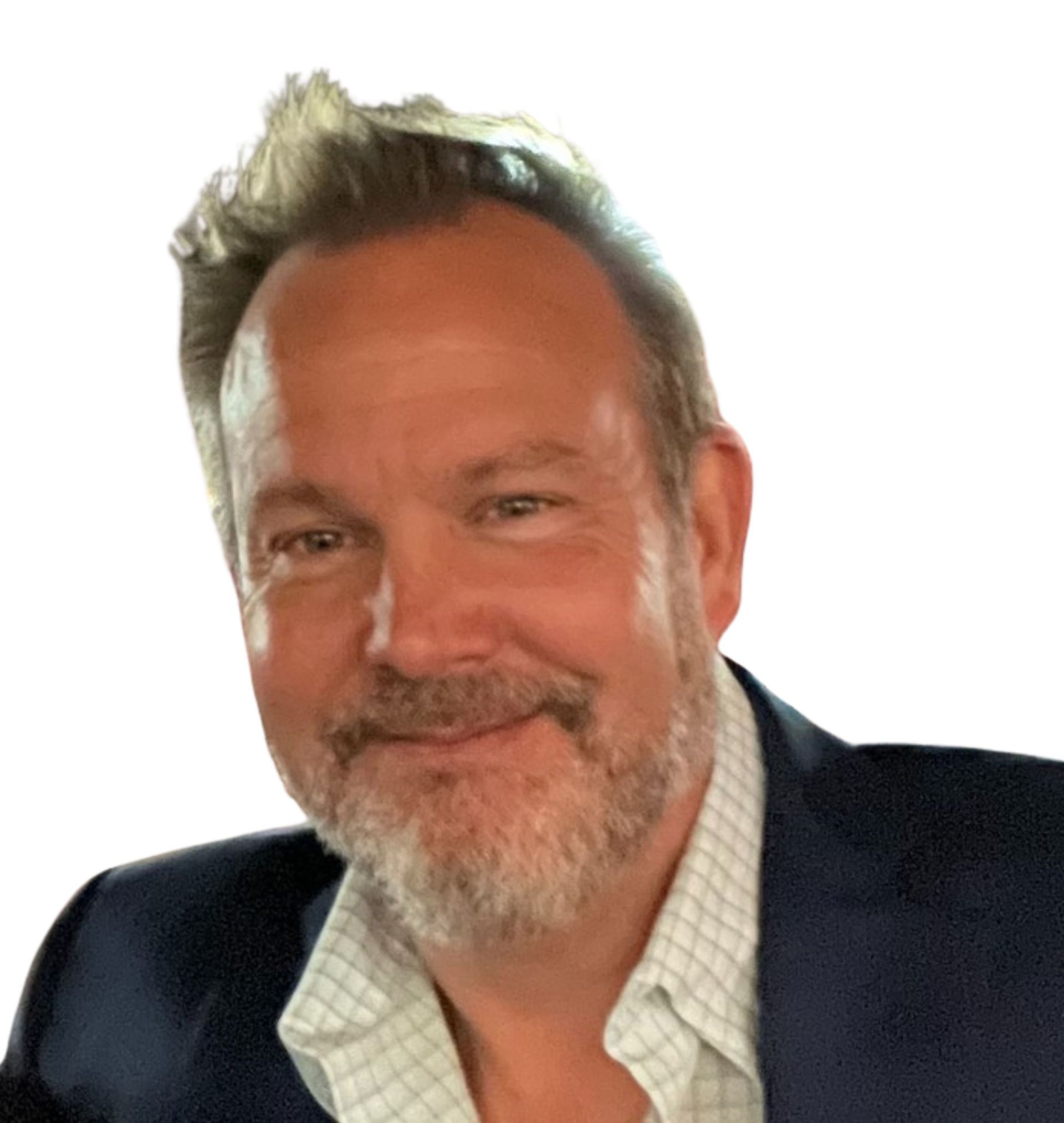
Mark Dancy, President and Founder, WasteZero
Mark Dancy is the President and Founder of WasteZero. For more than 35 years, he has developed innovative, customized solutions that help municipalities reduce waste, save money, and improve their solid waste programs.
Working directly with local governments across the United States, Mark has developed practical, resident-focused, data-driven programs that balance environmental responsibility with fiscal stewardship. His expertise includes unit-based pricing (Pay-As-You-Throw), recycling program optimization, and municipal solid waste policy.
Through his work at WasteZero, Mark also leads the development of technology that builds accountability and incentives into industry recycling programs, supporting improved material recovery, operational efficiency, and data-driven decision-making. He holds a bachelor's degree in Economics from George Washington University and an MBA from the College of William & Mary.
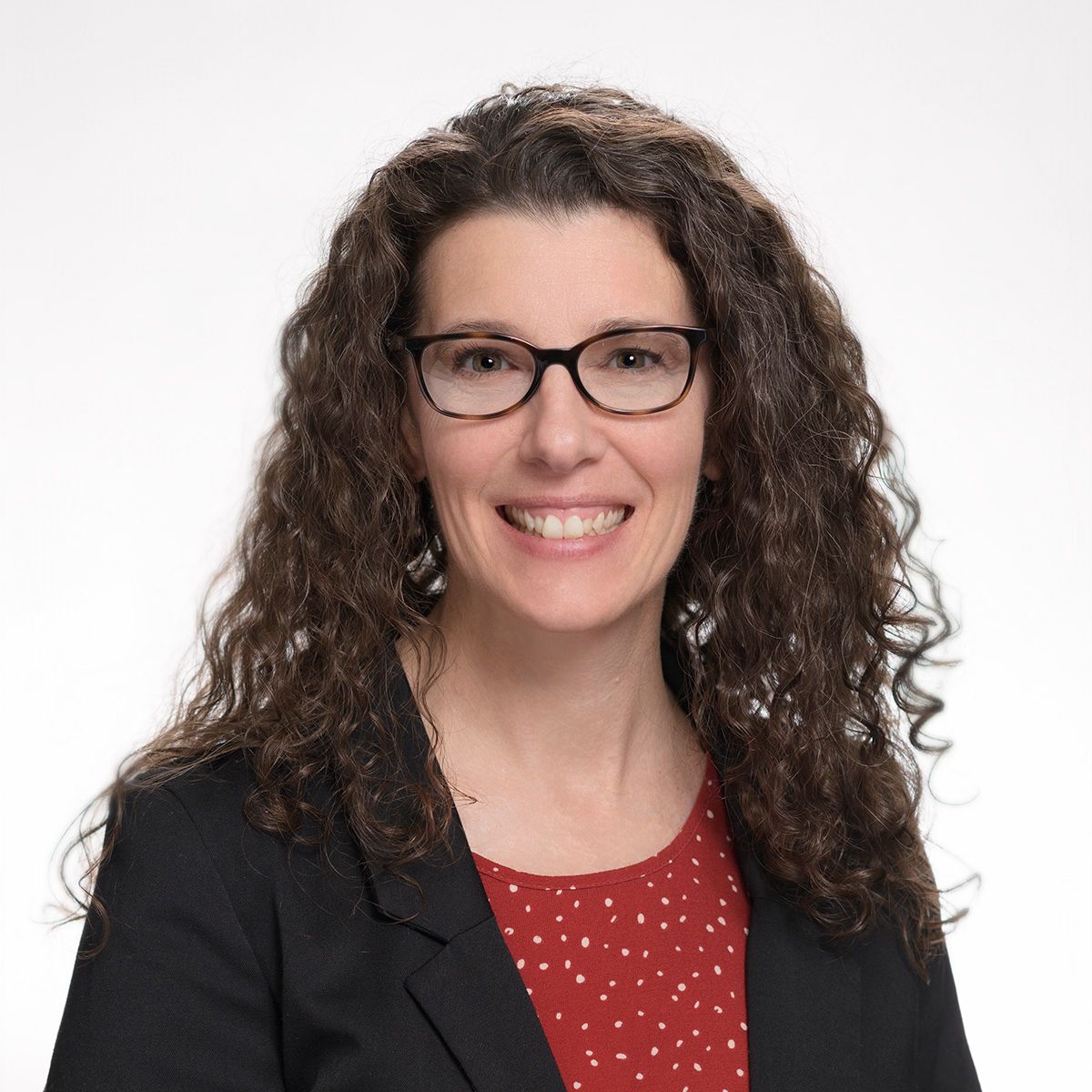
Angie Lemar, Lead Environmental Planner, Foth Infrastructure & Environment, LLC & Ramsey County Environmental Health
Angie Lemar joined Foth's Solid Waste Planning team in 2022, bringing more than 20 years of experience in solid waste, recycling, and composting programs across both the public and private sectors. She partners with communities throughout the Midwest to develop new programs, strengthen existing services, navigate procurement processes, and plan for both near-term needs and long-term goals.
With a background in Solid Waste Management and Environmental Education, Angie is passionate about helping organizations maximize the impact of their programs. She believes effective materials management can do far more than provide waste services. By incorporating principles such as environmental justice into planning and decision-making, she helps communities create programs that are more equitable, responsive, and impactful for the people they serve.
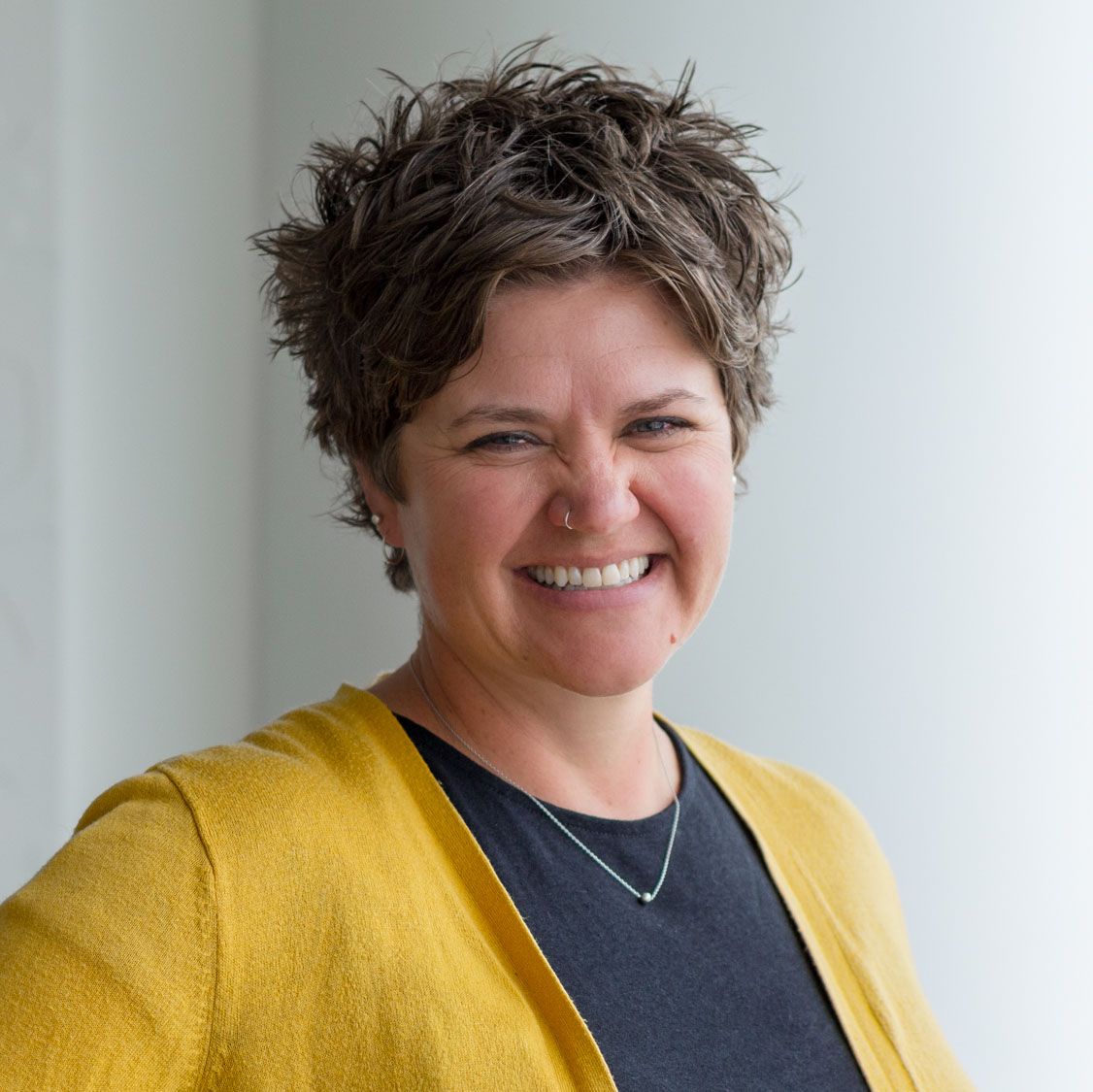
Caroline Mitchell, Director, Community Partnership Development, The Recycling Partnership
Caroline Mitchell is an expert in Extended Producer Responsibility (EPR) and recycling programs and has over two decades of experience in the waste and recycling sector. She works at The Recycling Partnership as the Community Partnerships Development Director, where she supports communities on their path to circularity. Her prior roles include being the Colorado EPR and Circularity Lead with the consulting firm HDR, managing the waste and recycling programs at the City of Fort Collins, and doing community outreach with recycling and zero waste non-profits in Colorado and Michigan.
Caroline has helped to build ambitious and practical recycling and organics programs and policies with a focus on equity in the residential, multi-unit, commercial, environmental compliance, and construction and demolition sectors. She also serves as vice chair of the board of Recycle Colorado, Colorado’s state recycling organization. Prior to her work in recycling, Caroline studied sea turtle nesting in Tanzania and Texas.
Smarter Recovery Systems: Using AI and Data to Capture More Material
This session will examine current and emerging approaches to managing materials within MRFs and landfills, including technological innovations (AI), operational challenges, and decision-making factors that influence where and how materials are processed.
Jack Bernardino, Director of Commercial Origination, AMP
Jack Bernardino, MBA, is director of commercial origination for AMP. He has worked in the solid waste industry for 28 years in various sectors including medical waste, solid waste hauling and collection, EHS, metals management, and waste to energy. Bernardino joined AMP in 2025 and is focused on helping municipalities and waste companies achieve diversion rates of up to 60% using AI-powered waste sortation systems.

Sami Ki, Senior Manager of Sustainability and Product Stewardship, Household & Commercial Products Association (HCPA)
Sami Ki is the Senior Manager of Sustainability and Product Stewardship at the Household & Commercial Products Association (HCPA), where she leads the Association's Aerosol Recycling Initiative and works on sustainability programs addressing product stewardship, recycling, and environmental policy for household and commercial products. In this role, she collaborates with manufacturers, recyclers, government agencies, and industry partners to advance aerosol recycling access and improve end-of-life management for aerosol products across the United States.
Prior to joining HCPA, Sami spent more than a decade in sourcing and product development within the apparel industry, most recently serving as Raw Material Operations Lead at Madewell, where she focused on sustainable supply chain operations. She holds a Master's degree in Sustainability from Bard College and a Bachelor's degree in Design Management from Parsons School of Design. Outside of work, Sami is an avid gardener and enjoys rock climbing, hiking, and spending time with her husband and two young children.

Ting Zhang, VP of Business Development, Glacier
Ting Zhang is the VP of Business Development at Glacier, where she empowers MRFs to deploy AI-powered data platforms and robotics. Glacier’s intelligent solutions enable recycling facilities to run smarter and faster—boosting throughput, minimizing downtime, and capturing more valuable recyclables.
A self-proclaimed MRF nerd, Ting has visited nearly 50 recycling facilities across the U.S. over the past two years. She works side-by-side with MRF operators to identify practical automation opportunities and use AI-driven insights to improve plant performance and solve their biggest challenges.
Off the clock, she serves on the Recycling Advisory Committee for her hometown of Cambridge, MA, helping advance its Zero Waste goals. Blending a 20-year career in finance and technology with a lifelong love for innovation (and sorting trash), Ting is helping shape the future of recycling through AI.

Akshatha Bhat, Investor, Closed Loop Partners
Akshatha is an investor at Closed Loop Partners, a New York based investment firm at the forefront of building the circular economy. At Closed Loop, she sits on the Catalytic Capital and Private Credit team, investing in and financing climate tech projects and infrastructure with a particular focus on packaging circularity. Akshatha's prior background spans investing in the venture capital space and management consulting.
She holds a BSE in Bioengineering from the University of Pennsylvania and is the New York co-Chair of Women in Climate Investing & Finance (WICIF).
From Policy to Impact: Consumer Impacts, Global Lessons, and What Comes Next
This session will explore Extended Producer Responsibility (EPR) and Deposit Return Systems (DRS) from a global perspective, highlighting measurable environmental, financial, social, and behavior-change outcomes, as well as lessons learned and best practices from regions with established programs.
Beth Milligan, Senior Consultant, Reclay StewardEdge
Beth Milligan is a Senior Consultant with Reclay StewardEdge, part of the global Raan Group. Reclay Steward Edge’s team of experts is relied upon by some of the world’s leading brands to design and deliver more sustainable product packaging while ensuring compliance with the highest standards of Extended Producer Responsibility (EPR) requirements worldwide.
Beth brings over 25 years of experience across the DRS, recycling, processing, and EPR sectors. Her career includes senior leadership roles in managing processing facilities, policy development and stewardship, and bottle bill redemption, pickup and sorting systems throughout Maine and the Northeast.
Beth holds a B.S. from Virginia Tech in Accounting and was a licensed Certified Public Account for 11 years before entering the private sector.

Erin Victor, Ph.D., Postdoctoral Research Fellow, University of Maine
Erin Victor, Ph.D., is a postdoctoral research fellow at the Senator George J. Mitchell Center for Sustainability Solutions at the University of Maine. Her research focuses on the social dimensions of circular economy policies and sustainable materials management. Drawing on her prior experience managing solid waste and sustainability initiatives for state and local government, Dr. Victor is dedicated to collaborative research that informs just and effective environmental policy solutions. She received her B.A. from Kalamazoo College, her M.S. from the University of Michigan, and her Ph.D. from the University of Maine, where her dissertation examined the politics of disposable packaging in the U.S. and Canada.
Mikey Pasciuto, Chief Sustainability Officer, Scrapp
Mikey Pasciuto currently serves as the Chief Sustainability Officer at Scrapp, a start-up dedicated to creating data-driven sustainable waste programs. Through Scrapp, Mikey specializes in product and packaging recyclability globally, zero-waste programs, and all things sustainable packaging. He recently had the privilege to present to his Majesty the King at COP28, as part of Scotland's delegation, about sustainable materials management. Mikey also serves as the President of Collaborative Solid Waste Strategies (CSWS), a local non-profit dedicated to promoting sustainable waste management in New Hampshire. Mikey was born and raised in Massachusetts and graduated from the University of New Hampshire in 2021 with a dual degree in Mechanical Engineering and Sustainability. His professional interests include renewable energy, recycling, and sustainable systems. Whenever Mikey isn't working, you can catch him gardening, composting, or spending time with his animals.

Sarah Edwards, President of Research & Consulting North America, Eunomia
Sarah Edwards is the President of Eunomia Research & Consulting North America. Sarah has over 25 years supporting the public, private and NGO sectors design and implement circular economy policy, strategies and systems. Her operational experience includes managing recycling collections services, project managing the development of recycling and organics treatment infrastructure, and most recently supporting the public and private sector make informed, data driven decisions on circular economy policy including Extended Producer Responsibility, deposit return systems, chemical recycling and recycled content. Over the last 10 years her team have been supporting state government, individual brands and producer responsibility organizations, design and deliver policy, working on EPR Needs Assessments in California, Maryland, Colorado, Minnesota and Illinois which include a focus on setting and delivering against source reduction targets, evaluating the impact and feasibility of packaging redesign alongside reuse and refill system redesign.
The Future of Glass Recycling
This session will examine the challenges and opportunities facing glass recycling systems, including market dynamics, contamination issues, processing technologies, and policy solutions aimed at improving recovery and end-market viability.
Cyndy Andela, President, Andela Products
Cyndy Andela is President of Andela Products, a leading manufacturer of glass recycling equipment and systems. Andela Products has developed a unique technology for processing glass and provides creative solutions and systems engineering for all types of scrap glass reduction and separation. Andela Products is also leading the industry with the development of processing plants that produce recycled glass commodities that are being introduced into a variety of new markets.
Ms. Andela holds a degree in Mechanical Engineering from the University of Michigan and a Masters in Business Administration from Rensselaer Polytechnic Institute of New York.
Ms. Andela has spoken on glass recycling and has extensive information and knowledge related to the use of recycled crushed and pulverized glass in a variety of applications both in the USA and around the world.
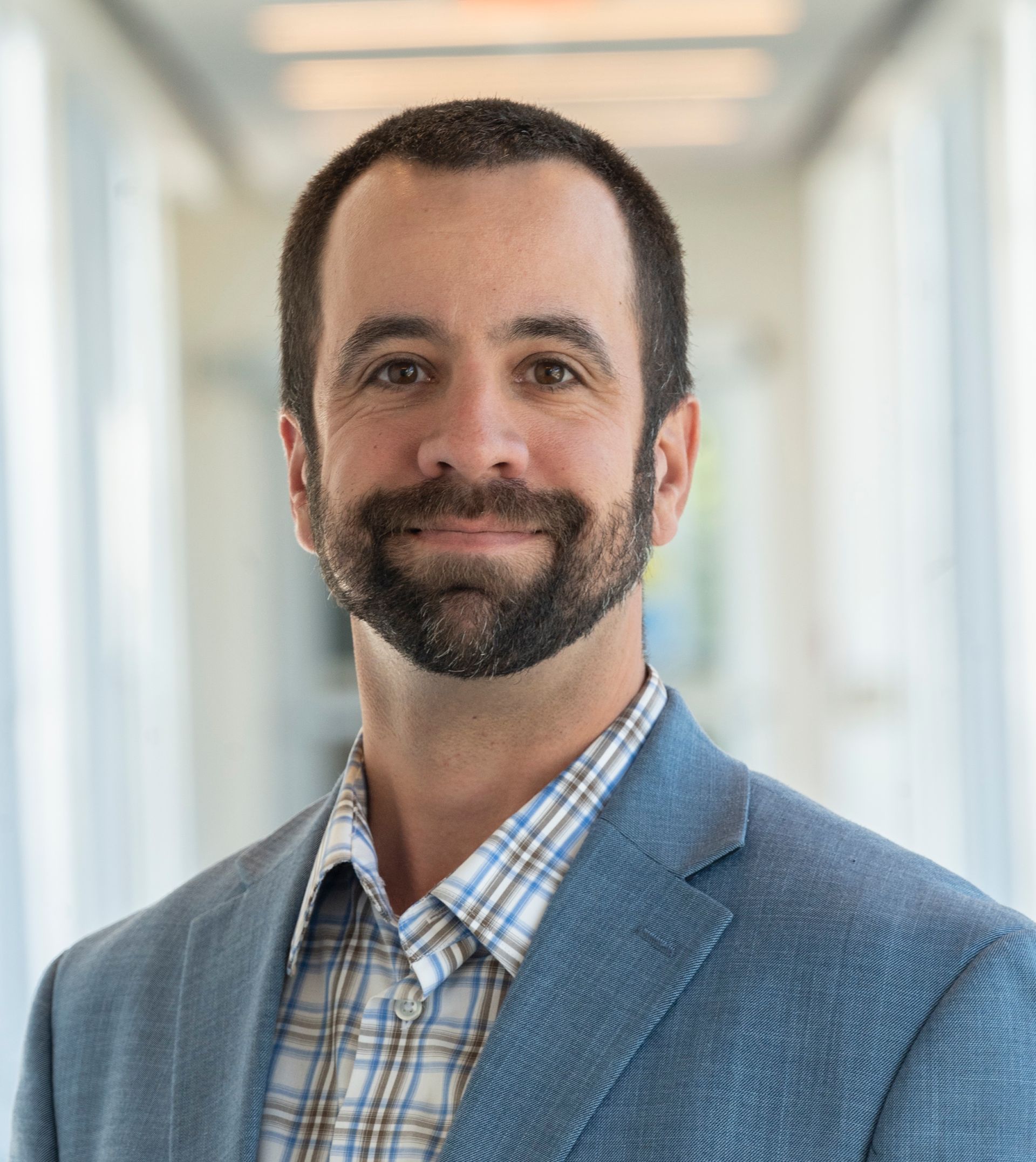
Joseph Stanzione, Chemical Engineering and Founding Director of Rowan’s Advanced Materials & Manufacturing Institute (AMMI), Rowan University
Dr. Stanzione is a Professor of Chemical Engineering and founding director of Rowan’s Advanced Materials & Manufacturing Institute (AMMI). He is a chemical engineer by title but more so a materials scientist and engineer at heart and in practice with expertise in polymers, polymer composites, advanced manufacturing, 3D printing, green chemistry & engineering, and glass. He has experience in turning agricultural waste, food waste, glass waste, and forestry waste into useful and sustainable plastics, coatings, adhesives, and composites, essentially turning garbage into gold! With his team at AMMI, he strives to fundamentally understand the processing-structure-property relationships of their advanced materials. Having received funding from the US’s DoW, NSF, NIH, DOEs (Energy and Education) as well as the New Jersey’s Department of Environmental Protection and Economic Development Authority, along with various industrial partners, his work has resulted in numerous patents and over 50 peer-reviewed publications, including front cover highlighted articles in ChemSusChem, ACS Omega, and Biofuels, Bioproducts, and Biorefining. He is a co-recipient of U.S. EPA’s Presidential Green Chemistry Challenge Award in 2013, the recipient of the 2016 AIChE Delaware Valley Chapter Outstanding Faculty of the Year Award, and the recipient of Rowan University’s 2020 Faculty Research Achievement Award. To date, he has successfully advised 5 postdoctoral fellows, 6 doctoral students and 9 master’s students with thesis, among serving as a committee member on over 20 graduate-level theses/dissertations. Lastly, he has been a guest co-editor of several journal special issues and currently serves on the editorial board of Green Materials.
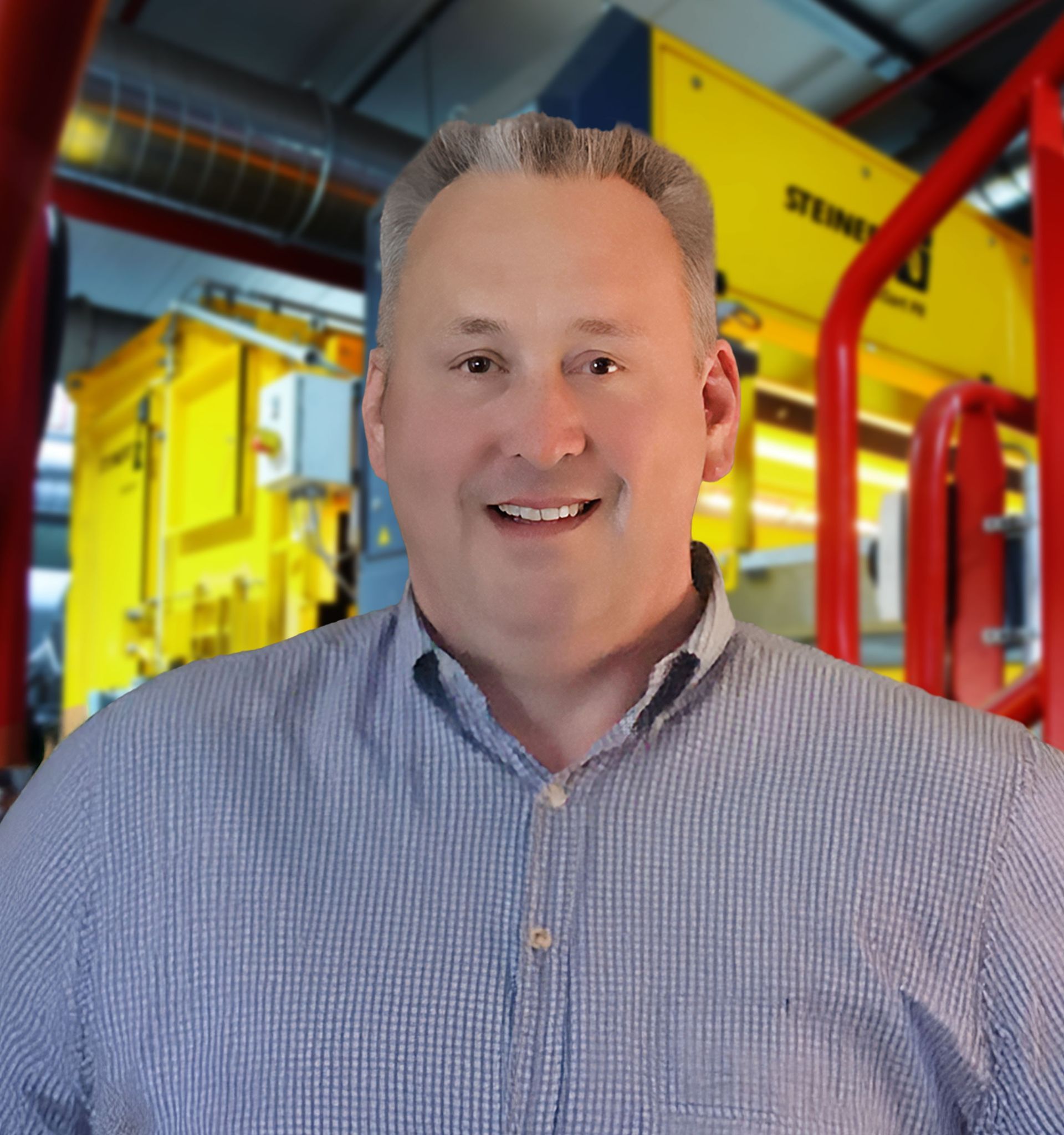
Scott Chase, Regional Territory Manager, STEINERT
Scott Chase brings nearly 30 years of expertise in the Solid Waste, Recycling, and Scrap industries, with a strong background in hauling, materials recovery facilities (MRFs), and equipment sales. He currently represents STEINERT US, a leader in magnetic and sensor-based sorting technologies. Known for its commitment to the circular economy, STEINERT US benefits from Scott’s deep industry knowledge and hands-on experience, which play a key role in driving the company’s mission of environmental sustainability and innovation.
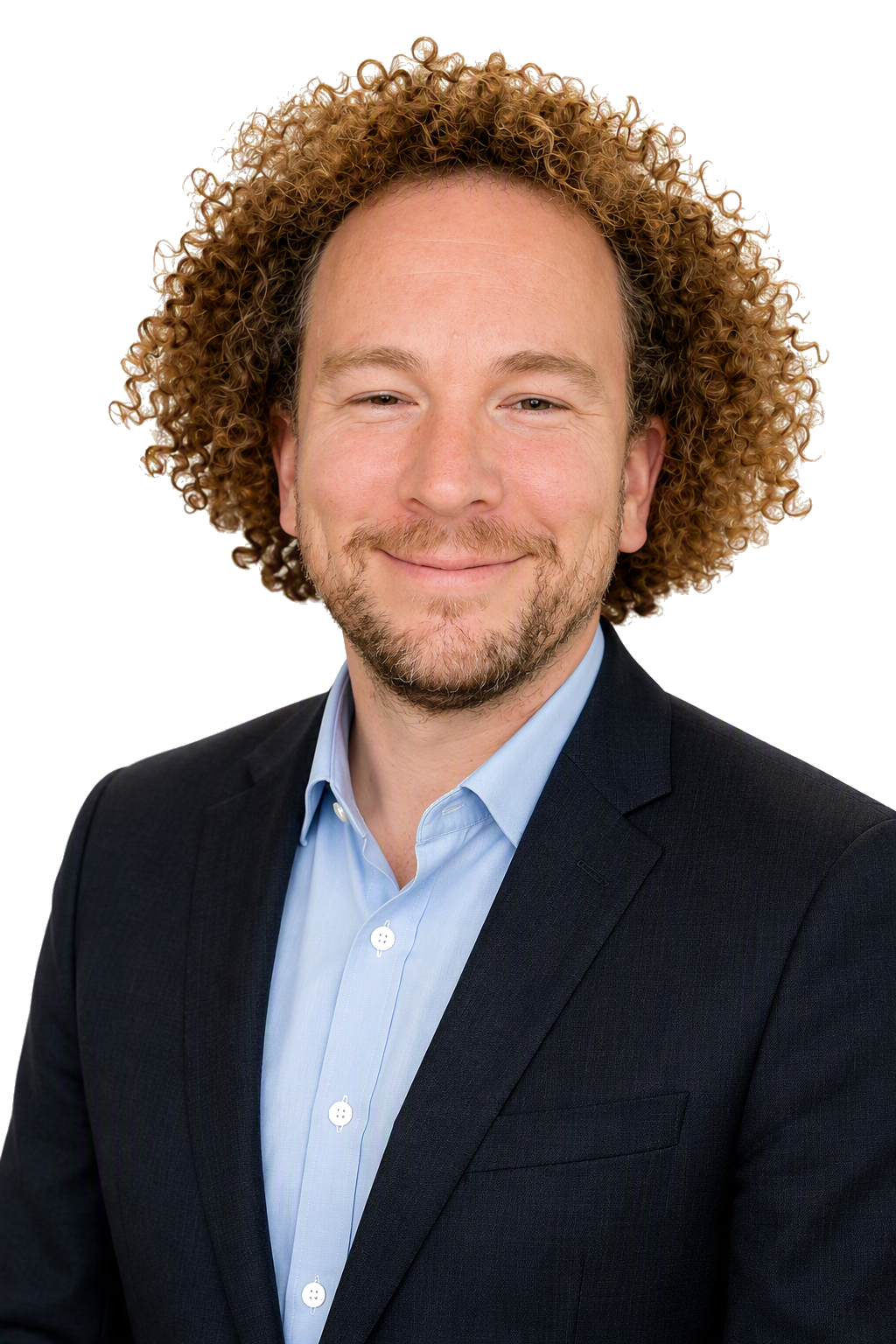
Christopher Sidwa, Business Development, Urban Mining Industries
Christopher Sidwa is an entrepreneur, business builder, and sustainability advocate whose career spans Wall Street finance, consumer brands, and circular economy innovation. Currently driving business development for Urban Mining Industries (Pozzotive®), he is focused on scaling cost-effective circular solutions with transparent impact, demonstrating how businesses can create economic value while delivering meaningful environmental and community outcomes.
Scaling Reuse Systems: From Refill Models to Business-to-Business Material Exchange
This session will explore innovative approaches to scaling reuse systems, from consumer-facing refill and reusable packaging models to business-to-business material exchange programs. Speakers will discuss successful implementation strategies, partnerships, operational challenges, and opportunities to expand reuse across sectors.
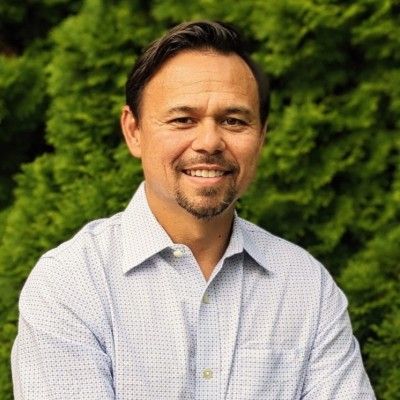
John Minagawa-Webster, Co-Founder, Ecourage Global
John Minagawa-Webster is Co-Founder of Ecourage Global, a sustainability technology company developing smart refill and reuse infrastructure to help brands, retailers, and institutions reduce single-use packaging waste. With nearly two decades of experience in packaging, consumer products, and packaging equipment, John has held roles spanning quality engineering, technical sales, product management, and business development.
A graduate of Michigan State University's School of Packaging, John earned his MBA from the University of Louisville and has built a career at the intersection of packaging innovation and commercial strategy. Today, he leads initiatives focused on scaling reusable packaging systems and advancing circular economy solutions through data-enabled refill technology.
John is passionate about creating practical, economically viable pathways to reduce packaging waste while improving efficiency across the value chain.

Katie Greer, Chief of the Bureau of Sustainability, New Jersey DEP
Katie Greer is the Chief of the Bureau of Sustainability at the New Jersey Department of Environmental Protection (NJDEP), a role that gives her the privilege of championing sustainable actions across the state’s communities and businesses. The bureau provides environmental compliance assistance, manages the state’s pollution prevention program, hosts the New Jersey Sustainable Business Registry, and provides sustainability outreach and education. Her broader sustainability career spans recycling and waste reduction programs, energy policy, local food distribution, workforce development, and environmental outreach from government, nonprofit, and university settings, giving her a holistic perspective on sustainable systems. She holds a Bachelor of Science degree in Civil Engineering from the University of Tennessee and a Master of Energy Regulation and Law from Vermont Law and Graduate School.
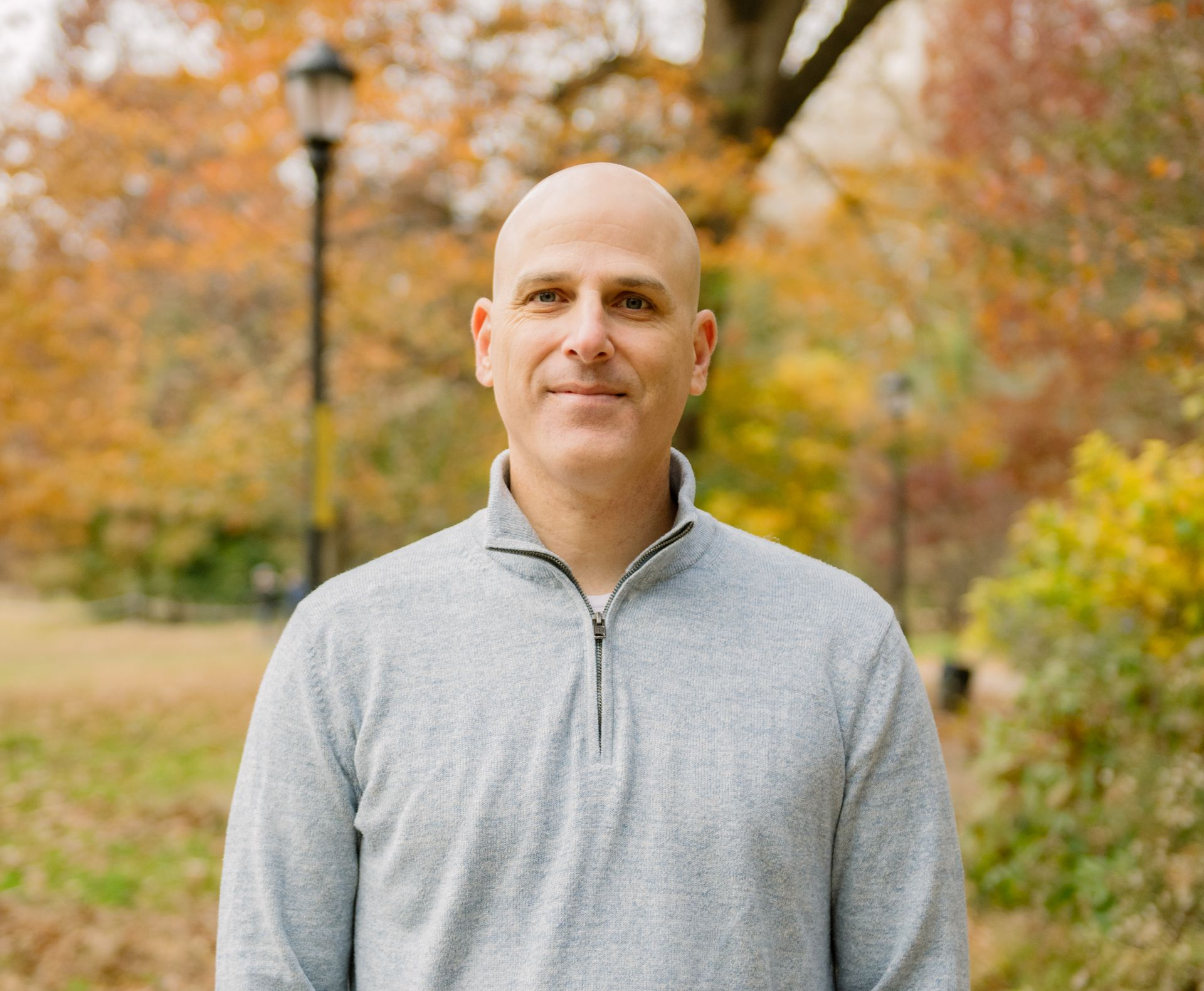
Mike Newman, CEO, Returnity
Mike Newman is the CEO of Returnity, where he builds logistics tools designed to improve efficiency across last-mile delivery, returns, and retail operations. He leads the development of The Last Box, a durable shipping and returns packaging solution built to replace inefficient cardboard workflows with standardized infrastructure at scale. Mike also serves as Board Chair for the U.S. Plastics Pact, a collaborative forum where the plastics value chain comes together to implement practical, scalable packaging systems that deliver environmental, social and economic benefits.
With more than 20 years of experience across operations, policy, and sustainability, Mike has helped build national-scale recovery and logistics programs for leading brands. He holds an MBA from the University of Michigan and lives in Brooklyn, NY.

Olivia Merritt FitzGerald, Program Manager of Circularity and Specialty Projects, U.S. Plastics Pact
Olivia Merritt FitzGerald is the Program Manager of Circularity and Specialty Projects at the U.S. Plastics Pact with over five years of experience driving circular economy and sustainability initiatives across nonprofit, financial, and corporate sectors. Olivia graduated from North Carolina State University with a major in Natural Resources Policy and Administration and a minor in Wildlife Science. She has used her scientific and writing skills to create climate change-related content and circular economy solutions for non-profit organizations and carbon accounting for corporations. In her time at the U.S. Plastics Pact, Olivia has led efforts including the Reuse Catalyst program, Reuse in Retail Initiative, Problematic and Unnecessary Materials list, and PCR market and policy levers document. Accolades include a certified PMP and, in 2024, named a Rising Star in circularity for Plastics News.
Fireside Chat: EPR Policy Update in New Jersey
Join industry and policy leaders for a moderated conversation on the latest developments in New Jersey's Extended Producer Responsibility (EPR) initiatives. This session will examine recent policy actions, implementation timelines, stakeholder collaboration, and the future of EPR in the state.
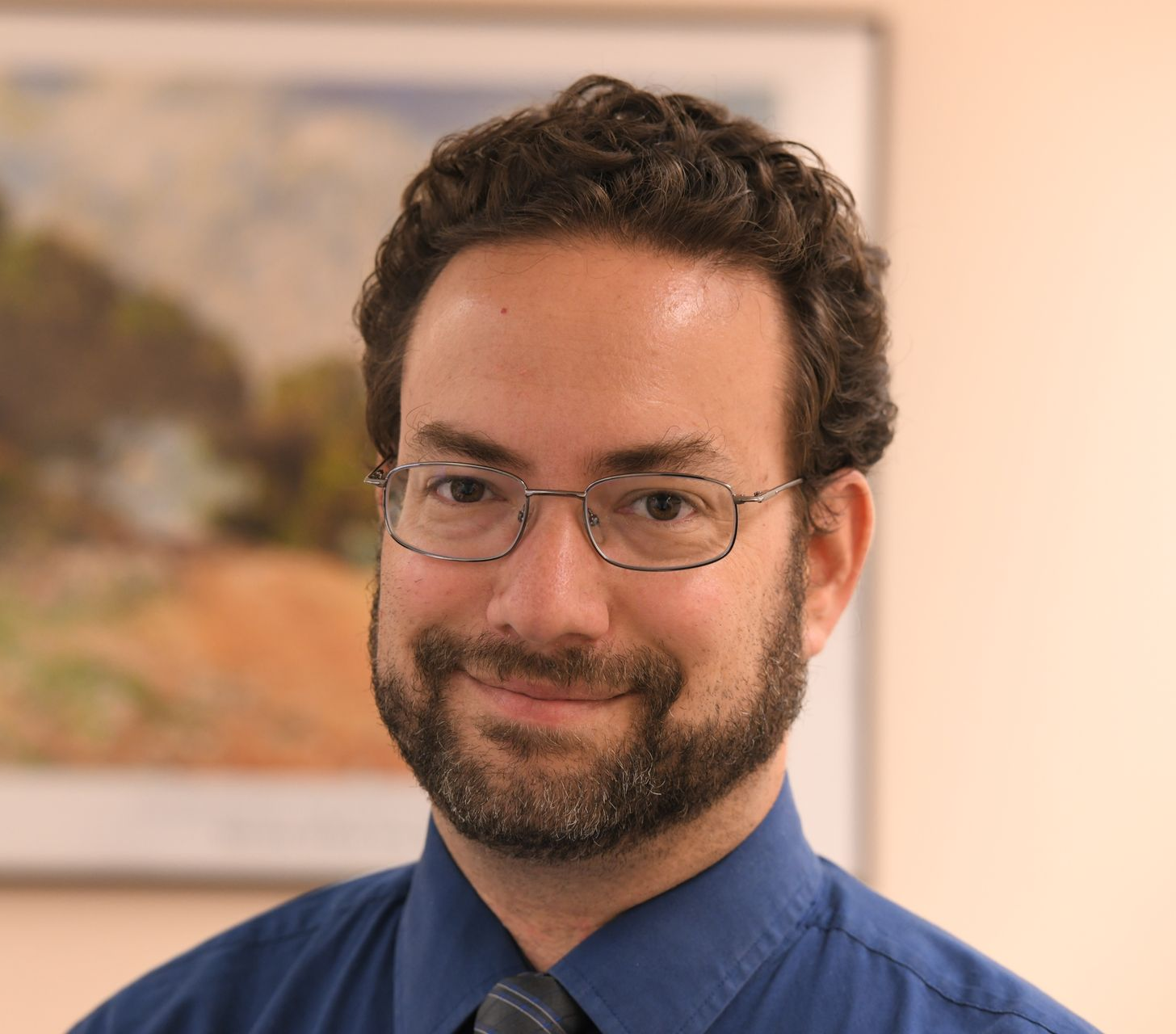
Seth Hackman, Director of the Division of Sustainable Waste Management, New Jersey DEP
Seth Hackman serves as Director of the Division of Sustainable Waste Management in the New Jersey Department of Environmental Protection. Seth has a bachelors degree in Geography and a masters degree in business administration, both from Rutgers University. As Director, Seth oversees three Bureaus – Planning and Licensing, Recycling and Hazardous Waste Management and Solid Waste Permitting. The Division is tasked with implementing many of the recently passed legislations including Dirty Dirt, Single-use Reduction, Food Waste Recycling, Recycled Content, and Electric and Hybrid Vehicle Battery Management Laws. Seth’s role also includes oversight of the A-901 licensing program for solid/hazardous waste and soil and fill recycling entities and the issuance of grant funding to counties, municipalities and institutions of higher education pursuant to New Jersey’s Recycling Enhancement Act.

Alexis Bailey, Executive Director, Association of New Jersey Recyclers
Alexis Bailey joined Public Strategies Impact in 2023 after serving as Vice President of Government Affairs for the New Jersey Business and Industry Association (NJBIA). While at NJBIA, she covered labor and employment, workforce development and insurance issues impacting the state’s business community. Prior to joining NJBIA, Alexis worked as a Legislative Research Associate for the Kaufman Zita Group and as a Government Affairs and Communications Consultant for the New Jersey Public Charter Schools Association.
In addition to lobbying at PSI, Alexis contributes to our association management practice by serving as Executive Director for the Association of NJ Recyclers, NJ Cable and Internet Association, and NJ State Society of Anesthesiologists.
Alexis has been recognized as a leader in New Jersey, being named to ROI-NJ’s ROI Influencers: Women in Business, ROI Influencers: People of Color, InsiderNJ’s Rising Generations, InsiderNJ’s Women’s Power, and InsiderNJ’s 100 Millennials lists. Alexis was recognized as a 50 Under 30 Honoree by the Meadowland’s Chamber of Commerce in 2023. She was also honored as a Phenomenal Woman Under 40 by the Girl Scouts of the Jersey Shore in 2022 and was named a Rising Star Award recipient by NJBIA in 2019.
She graduated with summa cum laude honors from Rider University with a Bachelor of Arts in Political Science.
Alexis is currently involved in her community as a Member-At-Large of the Girl Scouts of the Jersey Shore’s Board of Directors and a Board Member for the Women’s Political Caucus of New Jersey. She previously served on the Toms River Zoning Board of Adjustments.
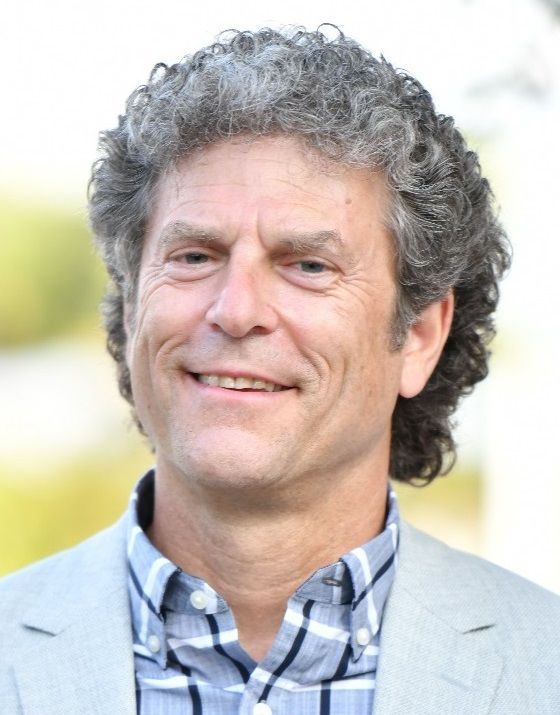
Scott Cassel, CEO and Founder, Product Stewardship Institute
Scott Cassel is a pioneering leader in the extended producer responsibility (EPR) movement, with more than 40 years of experience solving waste management challenges across the public, private, and nonprofit sectors. In 2000, he founded the Product Stewardship Institute (PSI), a nonprofit policy and consulting organization that has helped enact 150 EPR laws across 33 states, the District of Columbia, and 22 product categories — including packaging. As PSI's CEO, Scott leads research, policy analysis and development, and facilitated stakeholder engagement dialogues using a methodology he developed to design and advance EPR policy. Prior to founding PSI, he served seven years as Director of Waste Policy and Planning for the Massachusetts Executive Office of Environmental Affairs, where he developed and implemented solid and hazardous waste management policies and programs. Scott is the author of Perspectives on Product Stewardship: Navigating an Extended Producer Responsibility Path to a Circular Economy (Bernan Press, 2023), which chronicles the EPR movement in the U.S. and features case studies on batteries, paint, and packaging. In 2022, the National Oceanic and Atmospheric Administration (NOAA) appointed him to its Marine Debris Foundation Board of Directors, where he contributes to policy, infrastructure development, and innovative technologies to address pollution in our waterways and ocean.
Day Two Speakers | Wednesday, October 7th
Organics Management Guide Roundtable
Join representatives from six featured case studies in NERC's Organics Management Guide for an interactive discussion on innovative programs, policies, and partnerships advancing sustainable organics management. Following the journey of food, from source reduction and surplus food donation to animal feed, upcycling, composting, anaerobic digestion, and other beneficial reuse strategies. This roundtable offers attendees the opportunity to engage directly with practitioners, ask questions, and explore strategies that can be adapted to strengthen organics management efforts in their own regions.
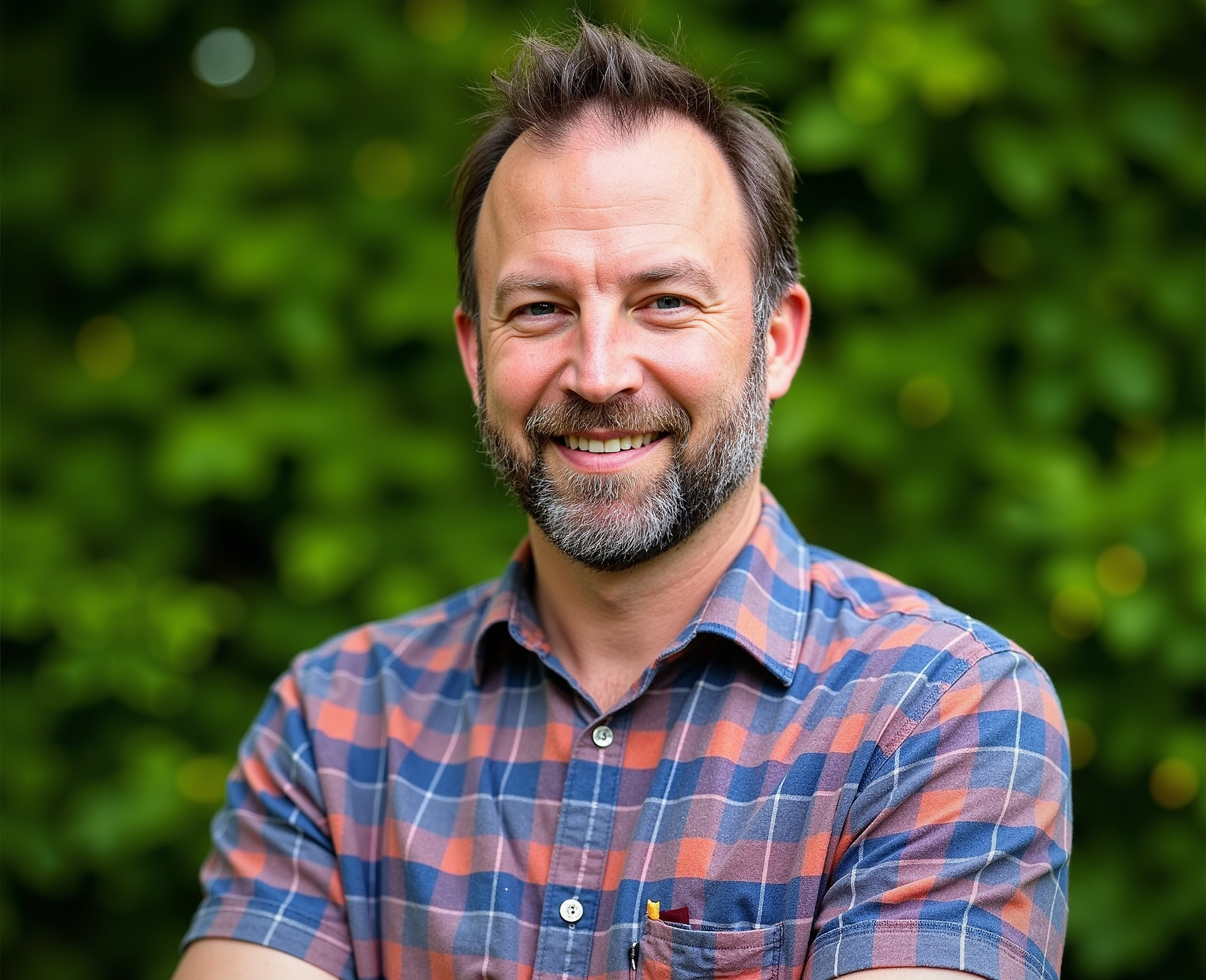
Jeremy Vrablik, Founder and Owner, Cascadia Produce
Jeremy Vrablik is the founder and owner of Cascadia Produce in Washington State, where he has spent more than 25 years building practical solutions to reduce food waste and expand access to fresh food. Post-graduation from Eastern Washington University, Jeremy began his career in produce, working every role in sales and operations while gaining firsthand knowledge of how food moves through the supply chain - and where edible food is unnecessarily discarded. In 2017, he founded Cascadia Produce, which has grown into a statewide food access hub specializing in wholesale distribution, food boxes, and surplus food recovery. Under a 2023 Department of Commerce grant, Cascadia rescued just over 3 million pounds of edible food at risk of landfill in just nine months. Today, Jeremy continues that recovery work by developing new markets for surplus foods - creating a flexible system in which farms are paid, people are fed, and nothing is wasted.

Natasha Dyer, Senior Behavior Change Specialist, WRAP
“Natasha Dyer has spent the last 15 years advancing circular economy solutions and environmental sustainability by helping keep valuable resources in use and out of landfills. Her work has spanned multiple material streams, with a primary focus on organics through composting, food recovery, and household wasted food prevention. Today, she specializes in behavior change, helping communities and households reduce wasted food through practical, evidence-based strategies that save food, money, and natural resources. Throughout her career, Natasha has held leadership roles in both local government and the nonprofit sector, where she has developed and implemented programs, built cross-sector partnerships, and supported communities in adopting more sustainable practices. She currently serves as Senior Behaviour Change Specialist at WRAP, leading initiatives that combine behavioral science, community engagement, and systems thinking to prevent wasted food. Natasha holds a Master of Arts in Urban Sustainability and is a certified TRUE Zero Waste Advisor, with expertise in circular systems and sustainable materials management.”
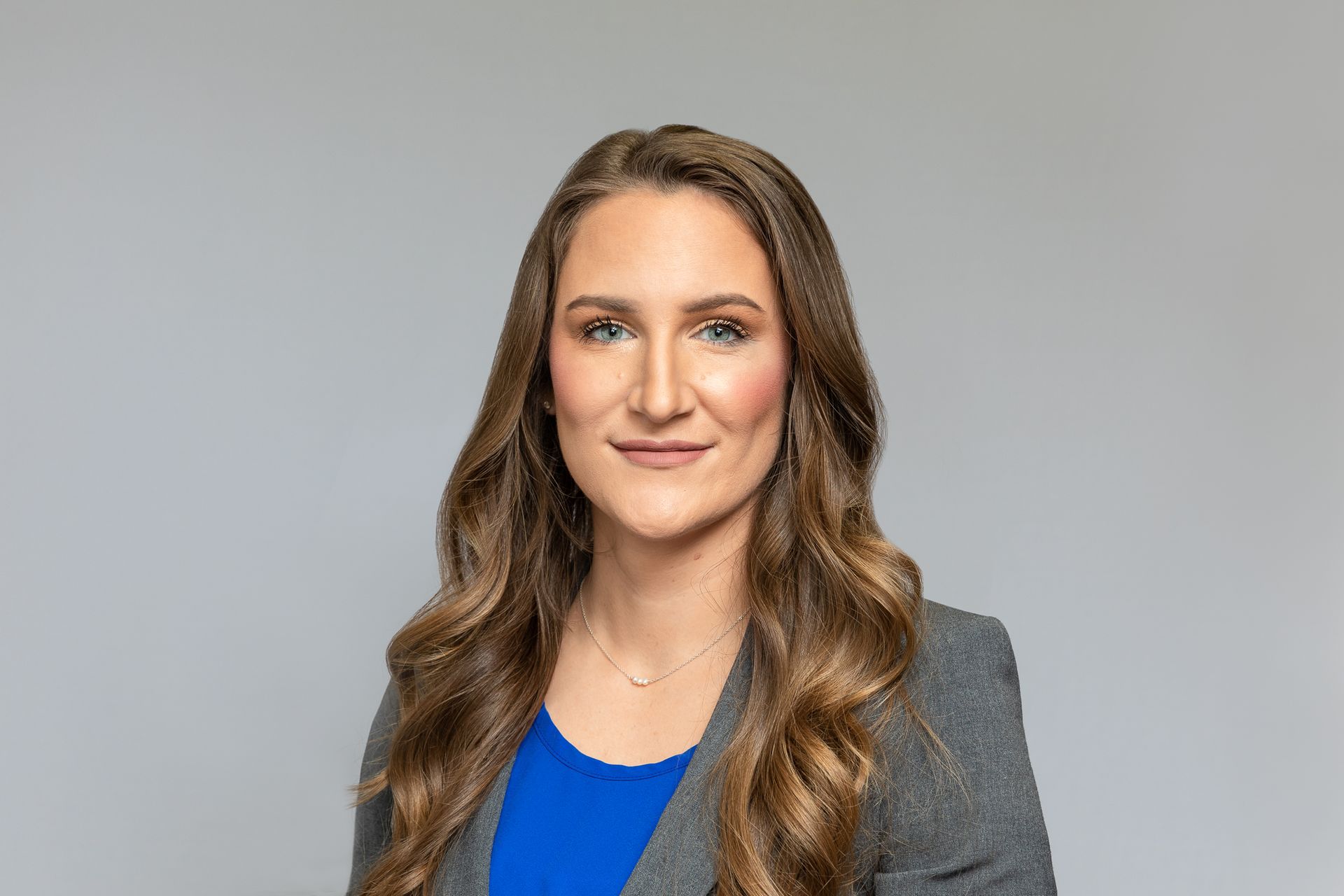
Ashley Elzinga, Director of Sustainability and Outreach, Foodservice Packaging Institute
Ashley Elzinga is director of sustainability and outreach for the Foodservice Packaging Institute, the trade association for the North American foodservice packaging industry. Ashley is going on her seventh year with FPI and her work primarily focuses around communications, outreach and FPI’s recovery and sustainability efforts. Prior to joining the association, she worked for Dart Container in the sustainability and environmental fields.
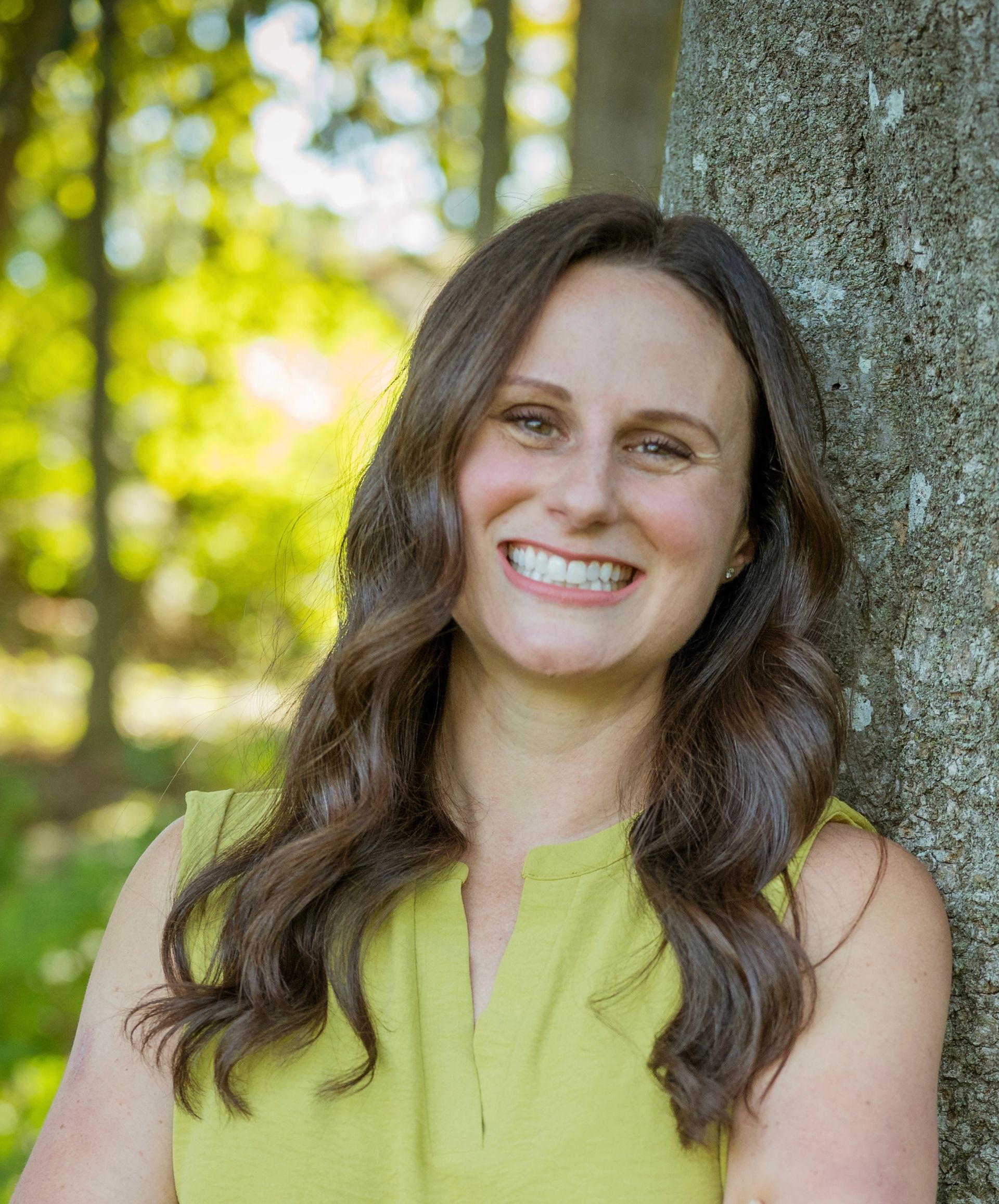
Michelle Cusano, Client Relationships & Partnerships Manager, Circular Services
Michelle Cusano is the Client Relationships & Partnerships Manager for Circular Services' Organics Northeast division. She develops strategic partnerships with food and beverage brands, manufacturers, distributors, haulers, and municipalities to divert food waste from landfills and incineration – transforming food scraps and unsellable food and beverages into renewable energy and nutrient-rich compost. Her work is anchored primarily at the Organics Recycling Campus in Southington, Connecticut, home to the region’s largest de-packaging facility and North America’s longest operating anaerobic digestor.
Michelle also leads regional marketing efforts, bringing a strong interest in brand partnerships and creative collaboration to her work. Focused on advancing the circular economy, she helps customers uncover recovery opportunities beyond food and beverage waste and connect materials with sustainable end markets. By bringing the right organizations and solutions together, Michelle helps keep valuable materials in productive use, reduce greenhouse gas emissions, conserve natural resources, and create more circular solutions.
During this roundtable, Michelle will share the case study of the collaborative food waste diversion partnership between Sardilli Produce & Dairy, All Waste, and Circular Services, highlighting how cross-sector collaboration can create resilient, circular solutions that deliver measurable environmental and operational benefits.
Michelle serves on the Board of Directors for the Connecticut Food Association and holds a B.A. in Graphic Design from the University of New Haven. When she’s not helping build the circular economy, you’ll likely find her putting her creativity to work baking delicious cakes.
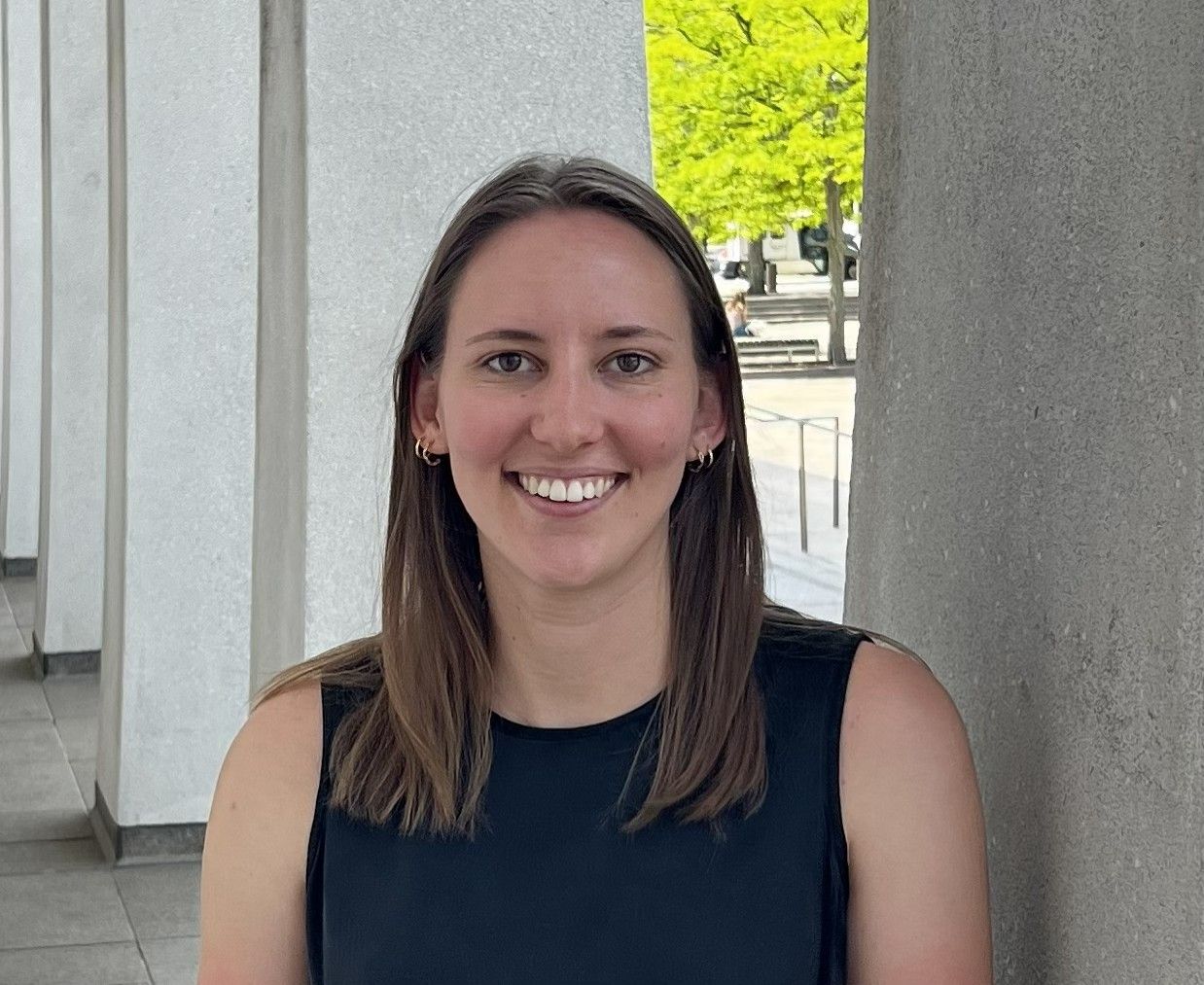
Sylvia Skerry, Director of Policy and Programs, Rhode Island School Recycling Project - Get Food Smart, RI
Sylvia is the Rhode Island School Recycling Project's Director of Policy and Programs, where she helps the Get Food Smart program grow without losing what makes it work by training staff, building partnerships with government agencies, community partners, and food-service providers, and leading the Project's policy work at the State House.
Before joining RISRP in 2025, Sylvia earned a Master's in Public Affairs from Princeton University, focusing on domestic education policy and the application of behavioral science to policy design. Prior to graduate school, Sylvia worked with UNICEF in Jordan, overseeing the implementation of youth and adolescent development programs in Syrian refugee camps.
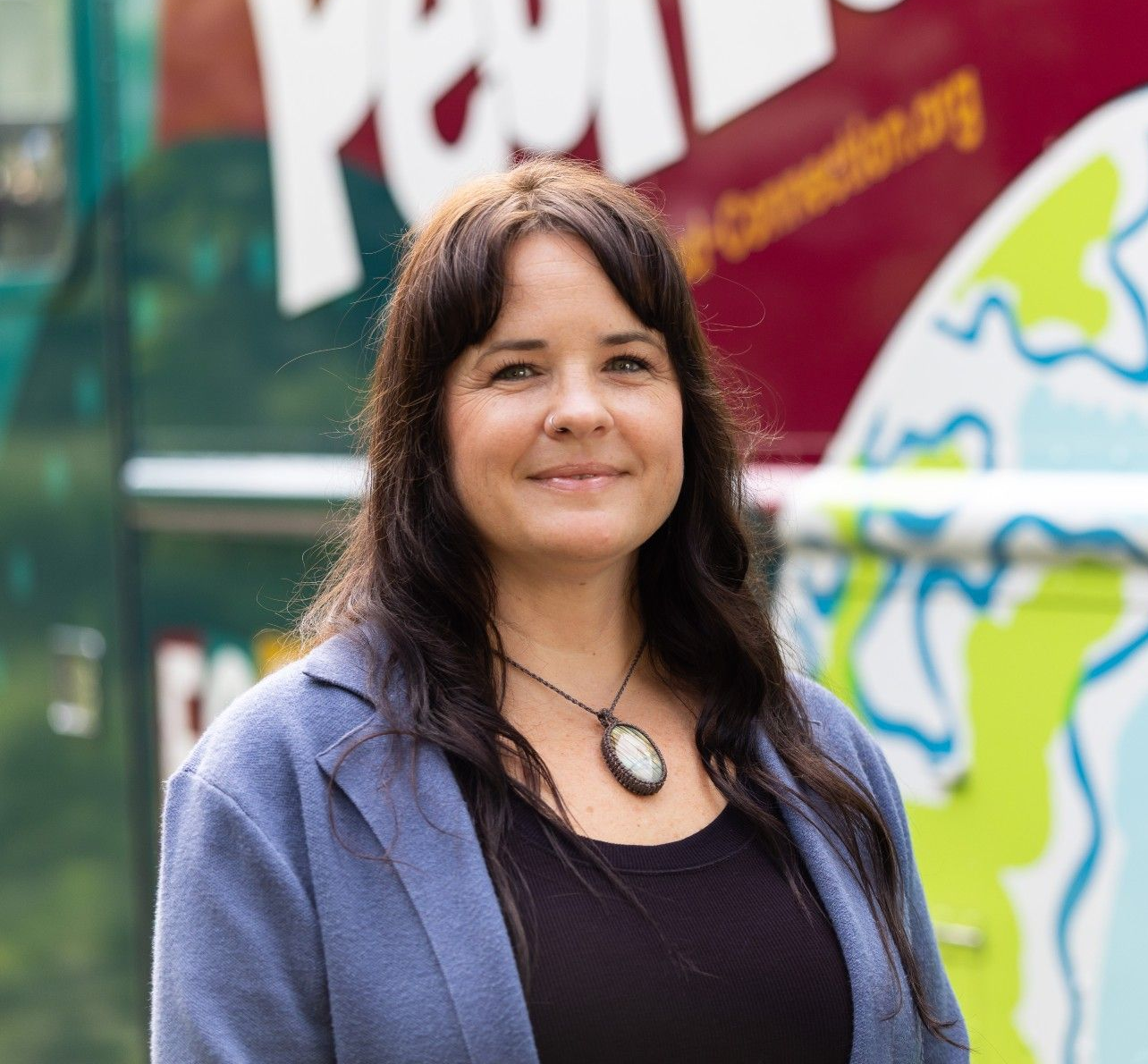
Marisha MacMorran, Executive Director, Food Connection, Inc.
Marisha MacMorran is the Executive Director of Food Connection, a nonprofit food recovery organization based in Asheville, North Carolina. Under her leadership, Food Connection has expanded its work connecting surplus, chef-prepared food with communities experiencing food insecurity across Western North Carolina. Marisha is passionate about building resilient, regional systems that treat food waste and hunger as one solvable problem. Outside of her work, she enjoys growing food, creating herbal products, and finding ways to connect people more deeply to the land and each other.
Beyond Demolition: Reuse Innovation in the Built Environment
This session will examine strategies to recover, reuse, and extend the life of construction and demolition materials. Speakers will discuss deconstruction, material salvage, building material reuse markets, policy initiatives, and innovative practices that support a more circular built environment.
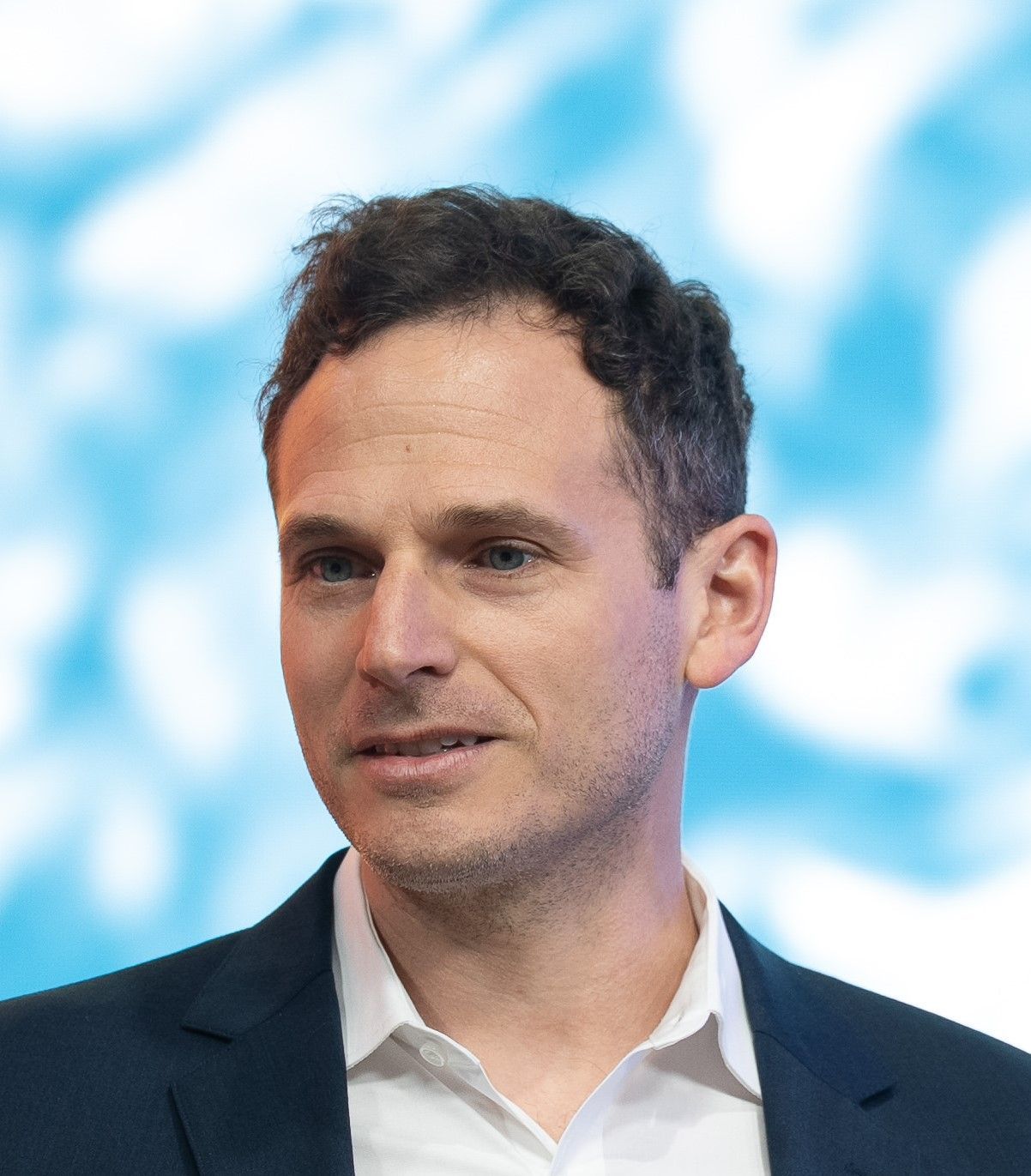
Andrew Sigal, Market Manager, USGBC
Andrew Sigal joined the U.S. Green Building Council (USGBC) in October 2024 as a Market Manager for Market Transformation and Development, supporting the New York and New Jersey markets. In this role, he works with industry leaders, partners, and community stakeholders to advance the adoption of LEED and other USGBC and GBCI solutions, helping drive market transformation and sustainable building practices across the region. Prior to joining USGBC, Andrew worked in the recycling industry, collaborating with global organizations to design and implement customized recycling programs that supported zero-waste and broader sustainability goals. He holds a Master’s degree in Urban Planning from New York University and a Bachelor’s degree in Economics from Binghamton University.

Yarden Harari, Architect and Sustainability Advisor, Arcadis
Yarden Harari AIA, LEED AP (BD+C, ID+C, O+M) is a licensed Architect and sustainability advisor at Arcadis. She has led CSR initiatives such as the Just Label and Ecovadis frameworks. Her collaborations on building material reuse, including CoLab workshops, the All For Reuse initiative, and crowdsourced mapping resources bring people together to move toward an inclusive and circular economy in the built environment. Yarden currently serves on the Board of Build Reuse, the premier national nonprofit organization building capacity for deconstruction and reuse. Yarden was recognized in 2021 as a DFC Emerging Leader and an ICSC Centerbuild Leader Under 40 for her ongoing efforts in sustainability and social action.

Kelly Tigera, Founder and CEO, Orbit
Kelly Tigera is the Founder and CEO of Orbit, an online marketplace for reclaimed construction materials that launched in NYC in 2025. She brings 18 years of experience in the building sector, most recently working as a Consultant and Founder of the business and strategy consultancy, PROOF. Previously, She was the Director of Business Development and Communications for the international architecture firm Snøhetta, and has worked at the international offices of OMA and MVRDV in Rotterdam, the Netherlands. She has also served as an Advisor to the Norwegian Ministry of Foreign Affairs at the Consulate in New York. Kelly is an advocate for the sustainable transformation of the building sector as an active member of RECLAIM-NYC, CR0WD, and the Urban Land Institute's Tech and Innovation Council. Kelly holds a degree in Urban Studies from Brown University.

Megan Mansfield-Pryor, Environmental Specialist, Maine DEP
Megan Mansfield-Pryor is an Environmental Specialist at Maine DEP where she supervises product stewardship programs, provides data analysis and reporting on waste management, promotes sustainable materials management, and facilitates the Maine Deconstruction Network. Previously, she served as a Waste Management Climate Policy Advisor, staffing the Materials Management Task Force of the Maine Climate Council and supporting integration of waste reduction strategies into Maine Won’t Wait 2024. Megan served on the Northeast Recycling Council board for six years and holds a master’s in policy, planning, and management and a bachelor’s degree in environmental planning and policy from the University of Southern Maine.
Implementing School Waste Diversion
Waste diversion in schools can present unique challenges, from engaging students and staff to balancing sustainability goals with operational and financial realities. Speakers will share successful approaches to food recovery, composting, eliminating single-use materials, and the reuse of excess furniture, classroom equipment, and other materials. Attendees will learn about effective stakeholder engagement, student education initiatives, lessons learned, and practical strategies for advancing waste diversion in schools.
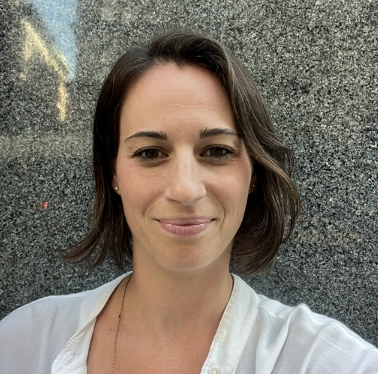
Laura Rosenshine, CEO and Co-Founder, WATS
Laura is the CEO and co-founder of WATS (Waste Administration + Tracking Software).
WATS makes waste a trackable utility, like energy and water, by automating data collection and processing to deliver real-time visibility, enabling teams to use waste data to take action and unlock cost savings and waste-reduction opportunities.
Previously, Laura was Head of Client Services at Foodprint Group, where she helped bring standardization and industry best practices to waste management programs for multi-location hospitality and food businesses.
Laura was the founder and Executive Director of Common Ground Compost LLC, where she now serves as a strategic advisor and owner. Earlier in her career, Laura worked in the commercial waste sector, including with a Norwegian-based technology company piloting in-vessel organics processing in NYC.
Laura is a TRUE Zero Waste Advisor, and her rescue dog is terrified of garbage trucks.

Véronique Lambert, Program Manager, Schools Outreach, Training and Special Projects, Sustainable Jersey
Véronique Lambert oversees the Sustainable Jersey for Schools certification program for public preK-12 schools throughout New Jersey. She leads outreach and training to schools about the program and resources to support implementation. She also works on initiatives to bring new content and resources to the program, including a current effort to help schools tackle food waste. With degrees in Agronomy and Geography, and a recent business certificate, Véronique has extensive experience in sustainability education and community outreach, and has led cropping systems research in Hawaii and Guyana.
Mark Lennon, Founder and Principal, The Reuse Network
Mark Lennon is the founder and principal of The Reuse Network. With the Reuse Network team, Mark manages the largest, most experienced, and most successful program in the U.S. to facilitate the reuse of surplus furniture and equipment from schools and other organizations. In more than 3,000 projects since 2002, IRN has matched over 2,000,000 items of furnishings with nonprofit organizations assisting communities in 47 U.S. states and 71 countries around the world, keeping more than 100,000,000 pounds of useful assets out of American landfills.
Before founding IRN, Mark was head of recycling, planning and community assistance for the State of NH.
In earlier work, Mark was a consultant to the U.S. EPA and other public and private clients in solid and hazardous waste and energy issues. He graduated from Dartmouth College and has a Master’s degree in Ecosystems Research from the University of Wisconsin - Madison.
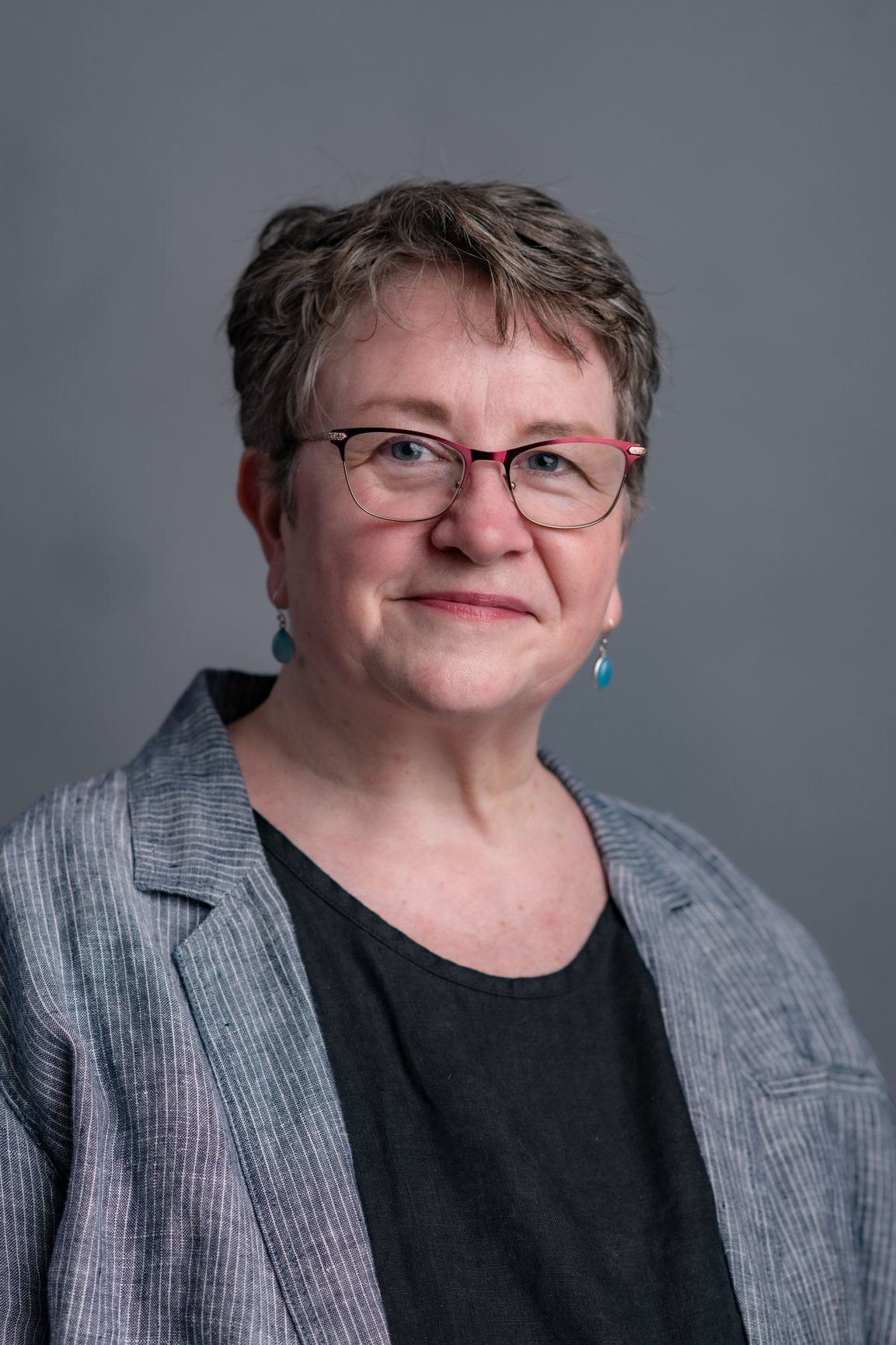
Lori Martin, Founder and Executive Director, Haven's Harvest
Lori Martin is the founder and executive director of Haven’s Harvest, a Connecticut-based environmental nonprofit that builds community and reduces food waste through food recovery. Since launching the organization in 2019, she has helped build a regional network that has recovered over 12 million pounds of food for schools, senior centers, housing communities, healthcare providers, faith communities, and other local partners. Lori is a longtime environmental advocate and serves on the board of the RecycleCT Foundation.

Erin Jensen, Environmental Specialist and Supervisor, New Jersey DEP
Erin Jensen is an Environmental Specialist and supervisor with the Divi¬sion of Sustainable Waste Management at the NJDEP, where she has worked for almost 10 years. Erin's work focuses on general recycling initiatives, grant management, and partner outreach. She is also the NJDEP's point of contact for Recycle Coach, and she supervises staff responsible for county planning and administering Recycling Enhancement Act grants. In addition, Erin is part of the education team for the Certified Recycling Professional courses at Rutgers, offers training courses throughout the year for the Municipal Tonnage Grant program, and sits on the boards of NJ Clean Communities Council and the Northeast Recycling Council.
A Check-in on Battery Recycling
This session will provide an update on the rapidly evolving battery recycling landscape and the challenges and opportunities shaping the future of battery management. Speakers will explore collection and transportation challenges, safety considerations, policy developments, and emerging recycling technologies, while also discussing solutions and opportunities for innovation across the battery recycling system. The conversation will examine how the growing variety of battery sizes, formats, and chemistries creates challenges and what approaches may help improve recovery and scale effective systems.

Keira Higgins, Senior Consultant, RRS
Keira Higgins is a Senior Consultant at RRS, where she helps drive the growth and impact of the NextCycle initiative. She manages NextCycle Michigan—the largest program in the NextCycle network—and supports the development and rollout of new program offerings, including grant opportunities, a battery recycling accelerator, and other initiatives that advance circular economy solutions. A mechanical engineer by training, Keira brings experience in zero-waste initiatives, collaborative program development, community engagement, and technical analysis. Raised on an organic dairy farm in upstate New York and now based in Michigan, she combines practical problem-solving with creativity to help build innovative, sustainable solutions that strengthen communities and advance the circular economy.
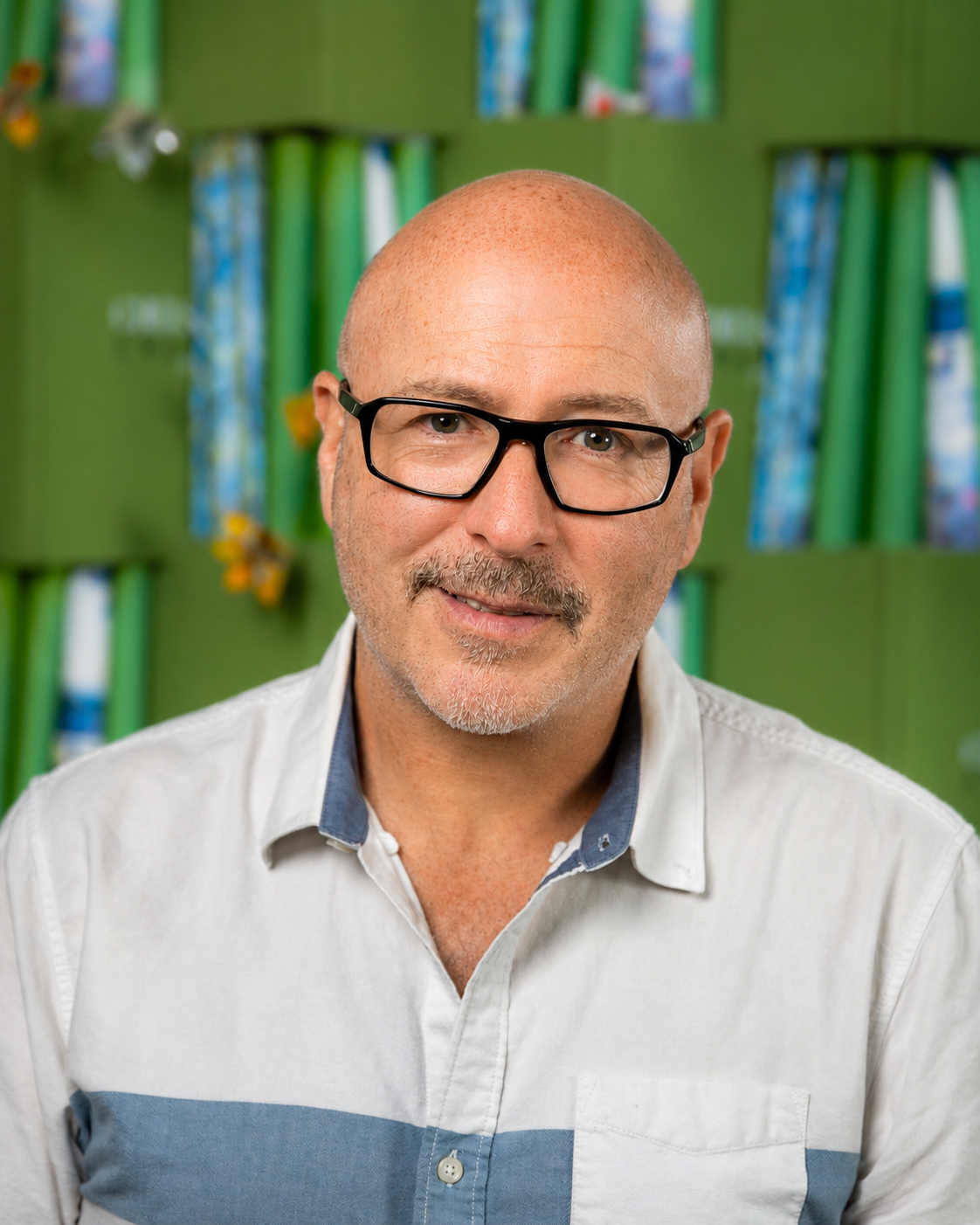
Eric Ascalon, Global Director of Community Affairs, TerraCycle
Eric Ascalon has spent his career bringing people together to solve complex challenges. Today, he applies that expertise to one of the world’s most pressing environmental issues: “eliminating the idea of waste” as TerraCycle’s Global Director of Community Affairs.
He works at the intersection of environmental innovation and community engagement, building relationships among businesses, governments, and nonprofits to create practical solutions for waste streams that traditional recycling systems leave behind.
Eric remains convinced that the most interesting conversations usually begin with someone saying, “You can’t recycle that.” Proving otherwise has become something of a specialty.
He also serves as Chair of the Garden State Film Festival, New Jersey’s premier independent film festival. He holds a B.A. in PoliSci from Rutgers and a law degree from American.
Outside of work, Eric is an accomplished endurance athlete and outdoor enthusiast. Whether running questionable trails or skiing gnarly lines, those pursuits keep him grounded, reflecting the persistence and curiosity he brings to his professional life.
Eric and his wife, Tanya, live in South Jersey. They have three children recently welcomed twin grandsons. He fully intends to turn them into first-rate recyclers before they can even walk.
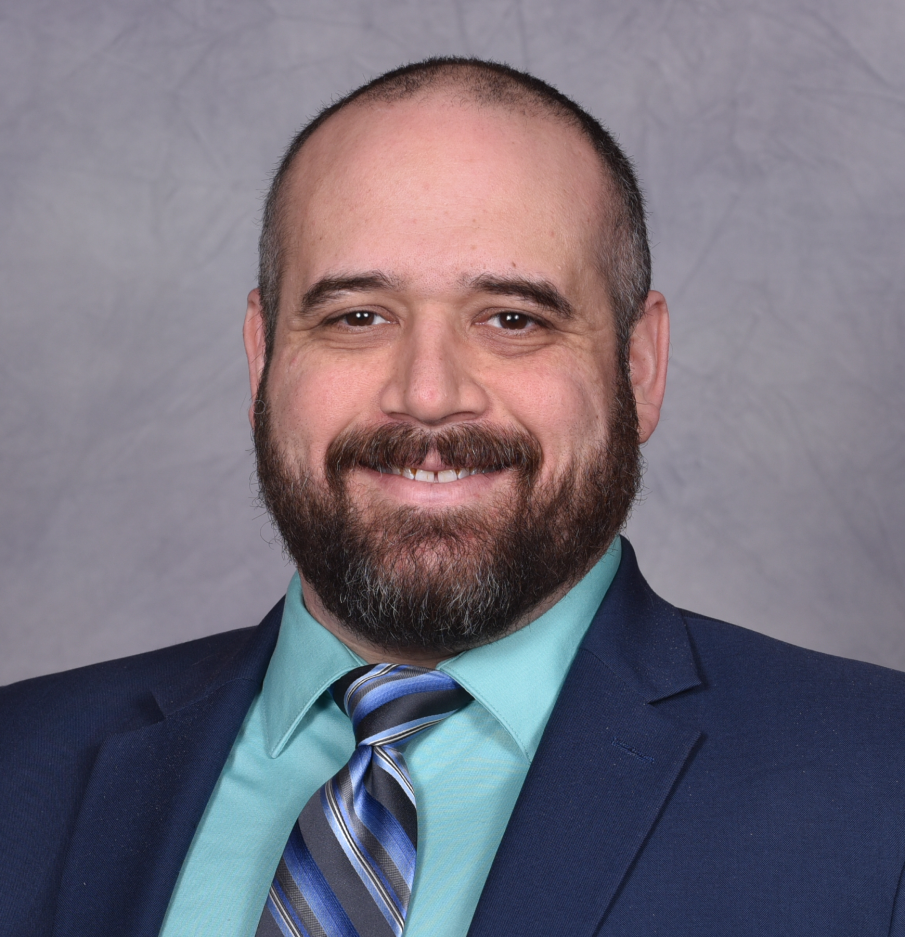
Justin Short, Assistant Vice President of State Affairs, Recycled Materials Association (ReMA)
Justin Short is the Assistant Vice President of State Affairs for the Recycled Materials Association, with 14 years experience in state advocacy for the industry. ReMA represents more than 1,700 companies in over 40 countries that transform end-of-life products into essential, high-quality raw materials the world relies on every day. Across metals, paper, plastics, glass, textiles, rubber, and electronics, ReMA members safely and efficiently process recycled materials into the building blocks that power manufacturing, strengthen and secure global supply chains, and conserve natural resources.
Justin currently serves as a representative of the recycling industry on the Commission to Advance Lithium Ion Battery Safety in Maryland and is the staff liaison for ReMA's Battery Policy Work Group. ReMA has adopted Positions on End-of-Life Management for Non-Embedded Small and Medium Format Batteries as well as Propulsion Batteries and offers online and in-person safety training courses for electric and hybrid vehicle dismantlers and processors.