

NERC News:
All Posts
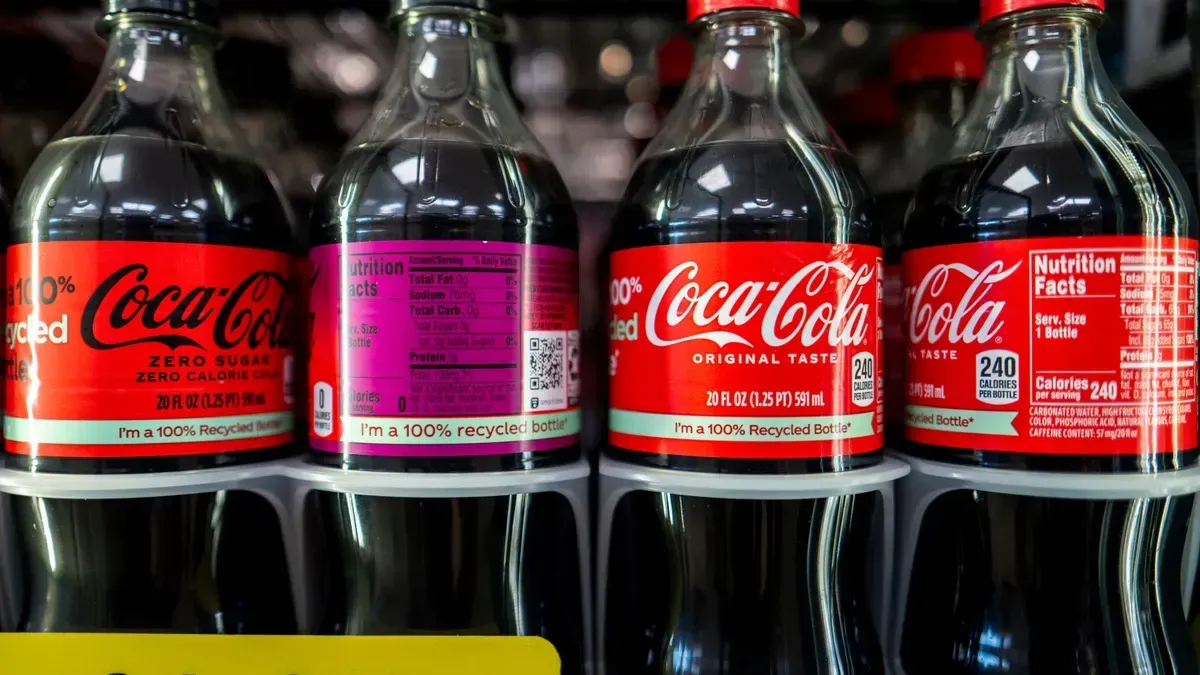
The Northeast Recycling Council’s PCR Material Demand Hub centralizes resources to help packaging developers and buyers. Dive Brief: The Northeast Recycling Council launched a PCR Material Demand Hub to help companies, whether they make packaging or just purchase it, tap into domestic recycled content markets. The hub includes information on numerous materials commonly used in packaging, including paper, plastic and aluminum. While the main focus is recycled content, there’s also information on waste diversion, reuse, carbon impacts and other life cycle assessment variables. NERC hopes to add to it in the future, including resources for creating contracts. For those newer to PCR purchasing, the hub has a road map for getting started, as well as a Q&A on how to identify and buy plastic products with PCR. The hub draws on work from the Association of Plastic Recyclers in that area. Dive Insight: Companies and organizations looking to buy postconsumer recycled content and help shore up faltering domestic recycling markets have a new place to go for support. The Northeast Recycling Council launched the PCR Material Demand Hub to help counteract the recent strain on recycling markets as some brands loosen recycled content goals and resin imports surge . Megan Schulz-Fontes, executive director of the Northeast Recycling Council, said it’s the latest iteration of past programs. “We wanted to create a hub which pools all the resources that NERC had developed historically, as well as new ones that have come about since, to make it easier for organizations, whether they’re private or public, to purchase sustainable materials,” she said. In the past, NERC had worked with APR on the Government Recycling Demand Champions Program, which focused on getting governments, nonprofits and academic institutions to buy recycled materials. By 2022, activity in that program had started to lapse, Schulz-Fontes said. “We had done a lot of outreach. It was my impression that it wasn’t a need as much anymore, because those organizations had established sustainable procurement programs,” she said. However, markets shifted, most notably for PET, and today, we all “see and feel the impacts of processor closures due to the cheaper imports coming in and the chronic oversupply of virgin,” Schulz-Fontes said. There was a need again. As APR relaunched and redesigned the Recycling Demand Champions program and the National Stewardship Action Council started its “Remade in America” pledge, Schulz-Fontes said NERC wanted to support those programs and also reinvigorate some of its own. The Demand Champions Program suggests that organizations commit to PCR use, establish long-term supply agreements and think outside the box by using PCR in non-standard formats. To support those goals, the hub has a directory of manufacturers, vendors and suppliers of a variety of products with recycled content, as well as a Recycled Content and Environmentally Preferable Purchasing Directory with all levels of governmental resources, purchasing specifications and certification standards. That Environmentally Preferable Purchasing Directory is based on work that former NERC Executive Director Lynn Rubinstein did to develop an environmentally preferable purchasing specifications document, which is helpful for those who are just getting started, Schulz-Fontes said. In addition, the hub will link procurement professionals and others working in adjacent roles via an Environmentally Preferable Purchasing Network listserv called EPPnet. That’s also one of NERC’s older programs that needed new life breathed into it, Schulz-Fontes said. “We’re hoping that’s something that’s useful for folks,” she said. Anyone who is working directly on procurement is welcome to reach out to be added to the group. Other directories that NERC’s hub link to are the EcoPaper Database; Intertek’s Sustainability Certification Directory; the Electronic Product Assessment Tool; SCS Global Services Certified Green Products Guide; EPA’s CPG Product Supplier Directory; and APR’s Buyers and Sellers Directory. Read the article on Packaging Dive.
The Northeast Recycling Council (NERC) has created a PCR Material Demand Hub to help organizations prioritize purchases of PCR content and help strengthen domestic recycling markets. The site features resources for federal, state and local government procurement, material- and product-specific resources, and certification and standards for recycled content, including: Government procurement directory for recycled content and environmentally preferable purchasing (EPP) Downloadable guides to buying products with PCR content, identifying and buying plastic products containing PCR, environmentally preferable purchasing specifications “Green” product directories from the US EPA, APR, SCS Global Services, the Environmental Paper Network and Intertek Electronics procurement tool for devices containing PCR plastic User manual for the EPA Recycled Content (ReCon) Tool and Greenhouse Gas (GHG) Equivalencies calculator The Northeastern US has been hit especially hard by recent closures of PET reclaiming capacity, with fourth-quarter 2025 recycled commodity prices in the region reaching five-year lows . Evergreen Recycling in New York and Ohio, Alpek in Pennsylvania and Phoenix Technologies in Ohio all reduced capacity, citing lackluster demand among the factors. In line with recent short-term and long-term recommendations from industry stakeholders, the Association of Plastic Recyclers (APR) Demand Champions Program outlines three distinct actions to ensure the consistent demand required to scale up the recycling industry: commit to using PCR secure long-term PCR supply agreements expand PCR adoption into non-standard formats or specify PCR in purchased goods APR owns Resource Recycling, Inc., publisher of Plastics Recycling Update. Read article on Resource Recycling.
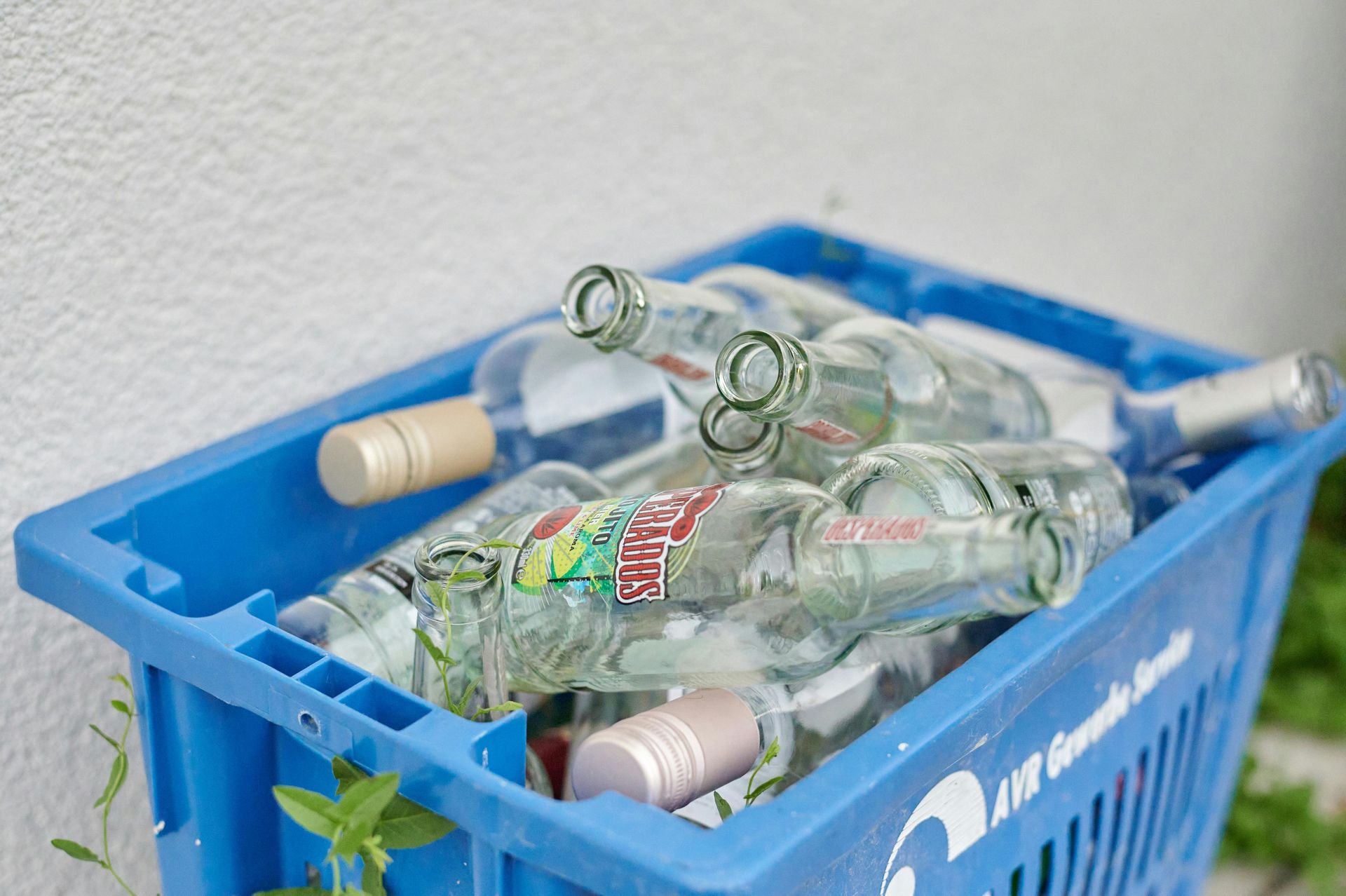
As a leader in vending machine technology, Envipco has over four decades of experience providing customized recycling solutions. Envipco was founded on the desire to support and recover material reuse of beverage containers. This founding idea has been their motivation for forty years as they work to help their customers become sustainable and make recycling easier for everyone. Their continuous investment in innovative technology solutions for drink packaging recycling has made them a driving force in the industry. Located worldwide, Envipco offers a wide range of solutions and services. Their versatile range of Reverse Vending Machines are designed to fit in varying environments and are customizable to fit seamlessly into their surroundings. Their smallest machine, the Compact, accepts PET bottles and cans and is ideal for a location that processes less than 400 containers per day. On the higher end, their largest machine, the Quantum, accepts containers in bulk and is capable of processing over 100 containers per minute. “At Envipco, our mission has always been to make recycling easier, more accessible, and more effective. We’re proud to join NERC and work alongside organizations that share our commitment to innovation, sustainability, and a cleaner future.” Tina Bergers, VP Americas, Envipco NERC is excited to welcome Envipco to our international base of members. We look forward to supporting their vision for a cleaner world for future generations. For more information on Envipco visit.
Posts Sorted by Categories
In The News
The Northeast Recycling Council’s PCR Material Demand Hub centralizes resources to help packaging developers and buyers. Dive Brief: The Northeast Recycling Council launched a PCR Material Demand Hub to help companies, whether they make packaging or just purchase it, tap into domestic recycled content markets. The hub includes information on numerous materials commonly used in packaging, including paper, plastic and aluminum. While the main focus is recycled content, there’s also information on waste diversion, reuse, carbon impacts and other life cycle assessment variables. NERC hopes to add to it in the future, including resources for creating contracts. For those newer to PCR purchasing, the hub has a road map for getting started, as well as a Q&A on how to identify and buy plastic products with PCR. The hub draws on work from the Association of Plastic Recyclers in that area. Dive Insight: Companies and organizations looking to buy postconsumer recycled content and help shore up faltering domestic recycling markets have a new place to go for support. The Northeast Recycling Council launched the PCR Material Demand Hub to help counteract the recent strain on recycling markets as some brands loosen recycled content goals and resin imports surge . Megan Schulz-Fontes, executive director of the Northeast Recycling Council, said it’s the latest iteration of past programs. “We wanted to create a hub which pools all the resources that NERC had developed historically, as well as new ones that have come about since, to make it easier for organizations, whether they’re private or public, to purchase sustainable materials,” she said. In the past, NERC had worked with APR on the Government Recycling Demand Champions Program, which focused on getting governments, nonprofits and academic institutions to buy recycled materials. By 2022, activity in that program had started to lapse, Schulz-Fontes said. “We had done a lot of outreach. It was my impression that it wasn’t a need as much anymore, because those organizations had established sustainable procurement programs,” she said. However, markets shifted, most notably for PET, and today, we all “see and feel the impacts of processor closures due to the cheaper imports coming in and the chronic oversupply of virgin,” Schulz-Fontes said. There was a need again. As APR relaunched and redesigned the Recycling Demand Champions program and the National Stewardship Action Council started its “Remade in America” pledge, Schulz-Fontes said NERC wanted to support those programs and also reinvigorate some of its own. The Demand Champions Program suggests that organizations commit to PCR use, establish long-term supply agreements and think outside the box by using PCR in non-standard formats. To support those goals, the hub has a directory of manufacturers, vendors and suppliers of a variety of products with recycled content, as well as a Recycled Content and Environmentally Preferable Purchasing Directory with all levels of governmental resources, purchasing specifications and certification standards. That Environmentally Preferable Purchasing Directory is based on work that former NERC Executive Director Lynn Rubinstein did to develop an environmentally preferable purchasing specifications document, which is helpful for those who are just getting started, Schulz-Fontes said. In addition, the hub will link procurement professionals and others working in adjacent roles via an Environmentally Preferable Purchasing Network listserv called EPPnet. That’s also one of NERC’s older programs that needed new life breathed into it, Schulz-Fontes said. “We’re hoping that’s something that’s useful for folks,” she said. Anyone who is working directly on procurement is welcome to reach out to be added to the group. Other directories that NERC’s hub link to are the EcoPaper Database; Intertek’s Sustainability Certification Directory; the Electronic Product Assessment Tool; SCS Global Services Certified Green Products Guide; EPA’s CPG Product Supplier Directory; and APR’s Buyers and Sellers Directory. Read the article on Packaging Dive.
The Northeast Recycling Council (NERC) has created a PCR Material Demand Hub to help organizations prioritize purchases of PCR content and help strengthen domestic recycling markets. The site features resources for federal, state and local government procurement, material- and product-specific resources, and certification and standards for recycled content, including: Government procurement directory for recycled content and environmentally preferable purchasing (EPP) Downloadable guides to buying products with PCR content, identifying and buying plastic products containing PCR, environmentally preferable purchasing specifications “Green” product directories from the US EPA, APR, SCS Global Services, the Environmental Paper Network and Intertek Electronics procurement tool for devices containing PCR plastic User manual for the EPA Recycled Content (ReCon) Tool and Greenhouse Gas (GHG) Equivalencies calculator The Northeastern US has been hit especially hard by recent closures of PET reclaiming capacity, with fourth-quarter 2025 recycled commodity prices in the region reaching five-year lows . Evergreen Recycling in New York and Ohio, Alpek in Pennsylvania and Phoenix Technologies in Ohio all reduced capacity, citing lackluster demand among the factors. In line with recent short-term and long-term recommendations from industry stakeholders, the Association of Plastic Recyclers (APR) Demand Champions Program outlines three distinct actions to ensure the consistent demand required to scale up the recycling industry: commit to using PCR secure long-term PCR supply agreements expand PCR adoption into non-standard formats or specify PCR in purchased goods APR owns Resource Recycling, Inc., publisher of Plastics Recycling Update. Read article on Resource Recycling.
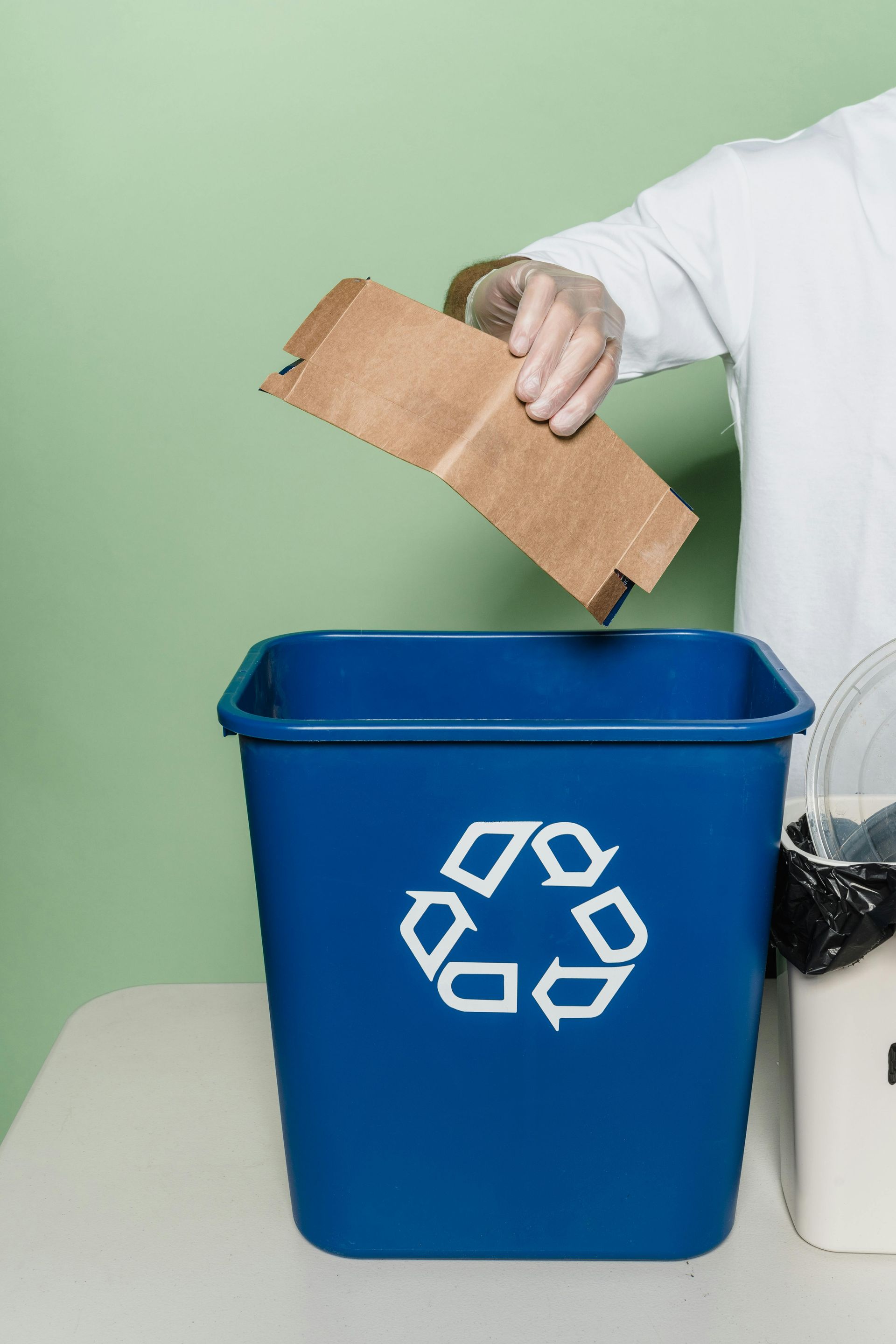
As the cost of recycling continues to rise across the country, the community will decide how to cover the costs at the ballot box this weekend. Arlington is an environmentally conscientious community. It’s been ranked at number two in a list of the “ top 10 greenest towns ” in Massachusetts. Town leaders, employees, and residents have created climate goals and are putting policies in place to achieve them, such as electrifying transportation , building energy-efficient homes , and expanding recycling across the town. So when the town announced at the beginning of the year that paper cups would be added to the list of recyclable items , many celebrated it as a step toward a greener Arlington. Environmentally speaking, it is something to celebrate. But at a time when recycling is becoming more expensive than ever, the question arises: Is this progress the town can afford? “The recycling commodity market continues to falter, with our recyclables generating less and less revenue to offset the cost of their processing,” Town Manager Jim Feeney wrote in an email to YourArlington. The collapse of the recycling market The pivotal shift of the recycling market dates back to January 2018, when China, the largest importer of waste, enacted its National Sword policy ; extreme limitations on shipments which denied recyclables mixed with trash, the wrong type of and low-quality recyclables. At the beginning of this year, Feeney spoke at the Jan. 12 Select Board meeting to discuss the town’s trash and recycling budget for fiscal year 2026, during which he explained the recycling streaming costs and consequences of the declining commodity values. “Now, we have to pay roughly $125 per ton to have our recycling stream processed at a Materials Recovery Facility, also known as a M.R.F.” Feeney explained during the meeting. A new contract, a new reality As many in town now know, the town signed a new waste hauler contract with Waste Management , effective as of July 2025. With this new contract, according to Feeney, the town now owns its recyclables and can profit from the materials it collects, but only when commodity prices are strong. When municipalities send their waste products to MRFs, the blended value of their commodities, from cardboard, plastics, mixed paper, and more, is subtracted from the charge per ton, meaning the town’s final tab depends on the strength of the recycling market. “If the blended value exceeds the charge, the town would see the revenue… if it doesn’t, then we pay the net difference between the two,” said Feeney in the meeting. From $0 to $500,000 In January 2025, when the town was still bidding and receiving proposals for its new solid waste contract, the market value for the blended commodity items was approximately $67 (see diagram on Your Arlington website). Meaning, Arlington had both expected and budgeted to pay $58 per ton to process its recyclables. In addition to China’s National Sword policy, the country is currently in a “K-shaped” economic recovery following the Covid-19 pandemic, which has resulted in fewer household sales, fewer packages, and fewer shipping boxes. According to the Northeast Recycling Council , in 2025, commodity values went down for every recyclable item. “Through the first five months of fiscal year 2026, we’ve been paying, on average, $100 per ton to process our recycling,” Feeney said. In a report sent to YourArlington, Feeney estimated that if current trends continue, the town could face at least $185,000 in additional costs in fiscal year 2026, based on roughly 4,400 tons of recycling. The report indicates the town could spend as much as $500,000 to handle its recyclables this fiscal year—a striking increase from fiscal year 2025, when those costs were effectively zero. Before signing the new waste hauler contract, Arlington relied on JRM Hauling for trash and recycling collection – which was acquired by Republic Services in 2022. Under this contract, the hauler covered the recycling processing fees. While many municipalities have been faced with the effects of the declining recycling market for years, Feeney explained why Arlington has been insulated by a buffer that protected the town’s budget until this recent fiscal year. “Our old waste hauler [JRM] was looking for a contract extension prior to their acquisition by Republic. We agreed to the extension at the time, but only under the same terms, so we experienced an additional three years without bearing a cost for processing our recycling.” Covering the cost: what residents should know With Arlington’s recycling shifting from being cost free to a major budget burden, the issue at hand is how the community will cover these rising costs — a decision that may ultimately come down to how residents vote in this weekend’s town election. Feeney wrote that there may be a fee increase in the future for residents who request a second recycling cart from Waste Management, but otherwise, the town does not have plans to introduce a new recycling fee or raise taxes specifically to cover these costs. “At present we are absorbing this cost into the existing budget, and have updated budget projections for the upcoming fiscal years to reflect this experience,” Feeney wrote in an email to YourArlington. Recycling and trash collection are paid for out of the town’s General Fund, which also supports schools and other municipal services. That means the rising cost of recycling is factored into the town’s overall budget, including the proposed $14.8 million tax override on this year’s ballot . Balancing cost and climate goals While the outcome of this weekend’s vote could shape how these costs are managed, early data is already offering a look at how Arlington’s new recycling and trash collection system has been working. According to Feeney, early tonnage numbers have indicated that the town is experiencing a decrease in both trash and recycling waste streams under the new cart program. However, there has been a more “pronounced decrease” on the trash side than recycling—an encouraging sign that disposal costs could fall and help offset the new recycling expenses. The town now faces a crossroads where its environmental goals meet budget limitations and shifting markets—and where the cost of recycling is measured not just in good intentions, but in dollars. Read article on Your Arlington's webiste.
Press Releases
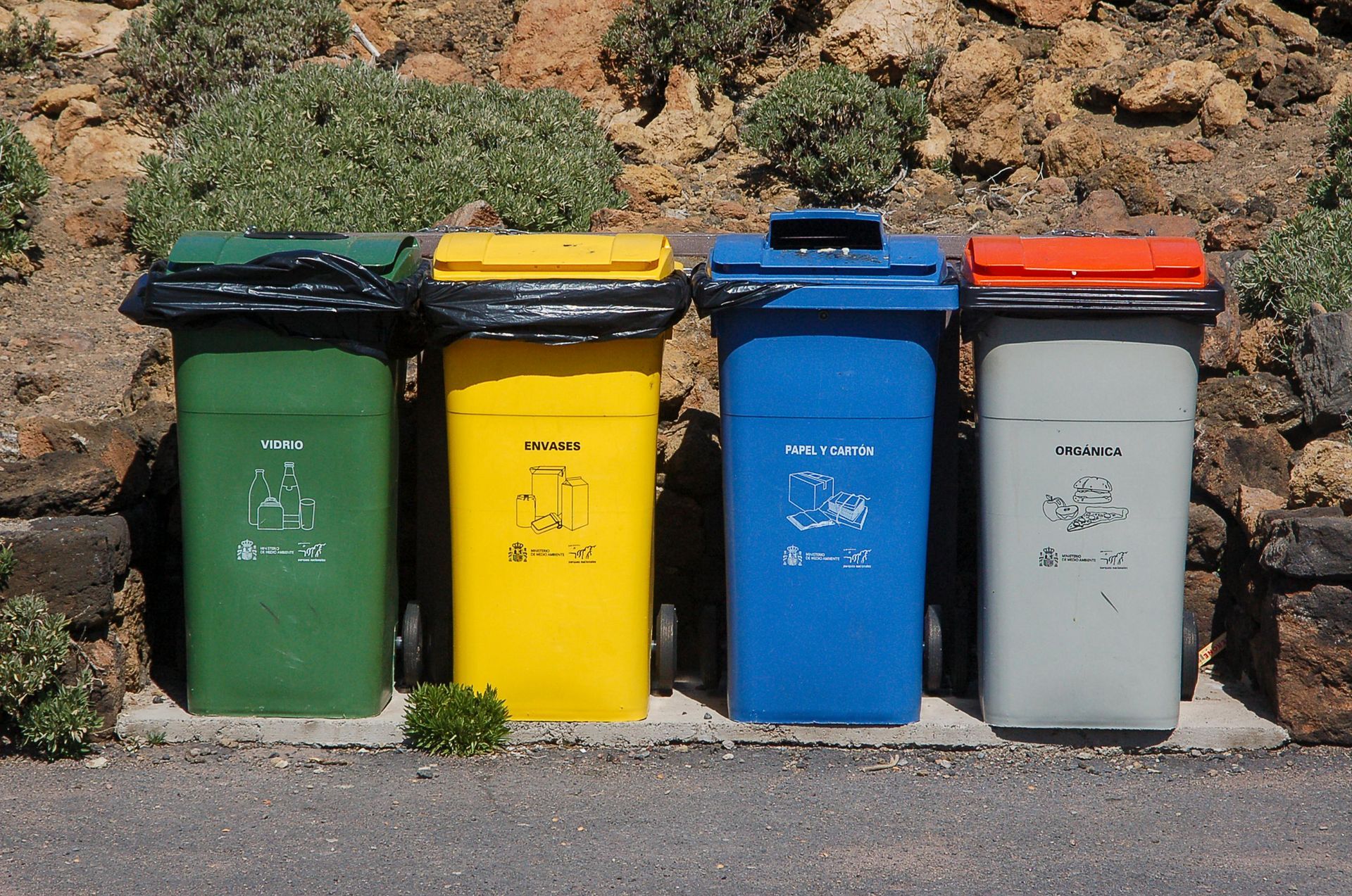
NERC’s Material Recovery Facilities (MRF) Commodity Values Survey Report for the period October - December 2025 showed a deceleration in the continued decline in the average commodity prices. The average value of all commodities decreased by 8.96% without residuals to $68.41 and by 12.75% with residuals to $52.49 as compared to last quarter. Single stream decreased by 7.87% without residuals and 9.82% with residuals, while dual stream / source separated decreased by 10.57% without residuals and 18.98% with residuals compared to last quarter. Dual stream MRFs did not decelerate as much as single stream MRFs but did see a higher average commodity price compared to single stream for both with and without residuals. The decrease seen in Steel cans, PET, Polypropylene, and Mixed plastics (#3-7) slowed as compared to last quarter, while the decrease remained consistent in OCC, Aluminum cans, Mixed paper, and Residue. Notably, average values for Natural HDPE, Colored HDPE, All other paper, and Brown glass containers reversed direction from last quarter (where they dropped in value) and saw an increase in value this quarter as compared to last quarter. Clear glass, Green glass, and 3-Mix glass containers, as well as Bulky rigids, reversed direction from last quarter (where they increased in value) and saw a decrease in value this quarter as compared to last quarter.

NERC’s Material Recovery Facilities (MRF) Commodity Values Survey Report for the period July - September 2025 showed a continued decline in the average commodity prices for Q3 2025. The average value of all commodities decreased by 21.90% without residuals to $75.14 and by 27.24% with residuals to $60.16, as compared to last quarter. Single stream decreased by 23.32% without residuals and 28.86% with residuals, while dual stream / source separated decreased by 17.33% without residuals and 21.76% with residuals compared to last quarter. Dual stream MRFs saw a slightly smaller decrease with residuals than single stream. Individual commodity price averages this quarter denote the decrease felt across all commodity categories apart from glass and the special case of bulky rigids.
Northeast Recycling Council (NERC) Publishes 25 th Report Marking Six Years of Quarterly Data
NERC Chronicle

Marylanders can now recycle their leftover paint with PaintCare ! PaintCare is a nonprofit organization that plans and operates paint stewardship programs in states that have passed the paint stewardship law. The Maryland PaintCare program launched on April 1, 2026, making it the thirteenth jurisdiction to pass paint stewardship legislation. With the addition of Maryland, PaintCare now serves one-third of the U.S. population. PaintCare operates a network of over 100 drop-off sites across the state where households and businesses can recycle their leftover paint at no additional cost. Most drop-off sites are located at local paint retailers, making it convenient for Marylanders to responsibly dispose of their leftover paint. To find a drop-off site near you, visit the drop-off site locator on PaintCare’s website. PaintCare offers a large volume pickup (LVP) service, which provides free pickups of 100 gallons or more of eligible paint products. Those with large quantities of paint are encouraged to use this service to responsibly dispose of leftover paint. Large volume pickups can be requested through the large volume pickup request form. The paint stewardship law requires a fee, called the PaintCare fee, to be added to the purchase price of new paint. The fee is based on container size and funds all aspects of the program. This includes paint collection and recycling, consumer education, and program administration. The PaintCare fee in Maryland is as follows:
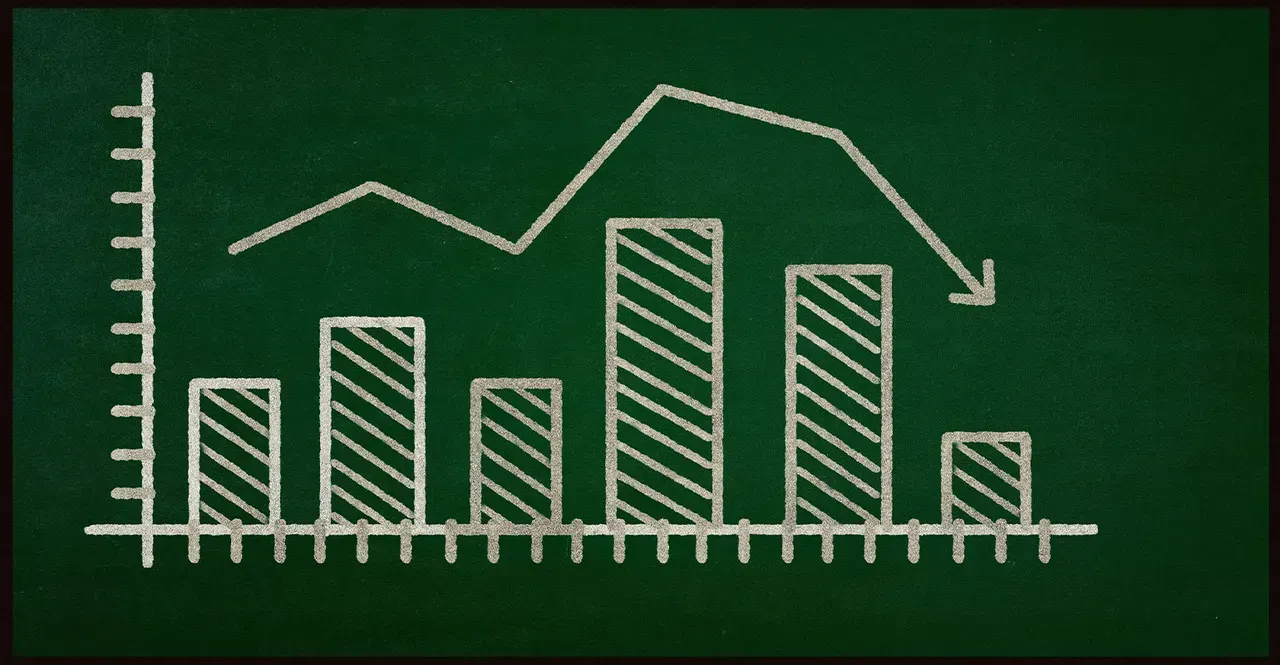
2025 was not a good year for recycling markets. Prices went down for everything in your bin. The only real difference is how badly each material got hit and why. Let’s start with paper, the most important recyclable in terms of weight and volume. Old Corrugated Container (OCC, boxes) prices started rising in the spring of 2023, peaking for several months in the summer of 2024. A long slide then began and lasted for almost all of 2025. Prices for Residential Mixed Paper (RMP) did the same. Nationally, OCC is now at $46.88 per ton and RMP is $20.31 a ton. OCC went down by a third while RMP went down by half. The “good” news is that these prices have been lower in the last five years. RMP, after all, had a negative value early in 2020 and then for a few months in late 2022. (All prices in this article are national prices from RecyclingMarkets.net as of December 31). The 2023 rise and then fall of recycled paper prices was the result of increased capacity to use OCC and RMP as raw materials along with declining overall demand for boxes. New recycled content paper capacity started coming online in 2017, peaking in 2023 when five new mills opened. Those new mills, eager to build up supply lines, caused prices to go up. Existing capacity had no choice but to also pay more. At the same time, demand for new boxes was going down. In fact, box demand has been going down for four years. Something had to give. In 2025, nine existing paper mills announced they would be closing. Old, more expensive, and less efficient to operate, they couldn’t compete with the new mills. All four plastic resins lost value but the impact varied by resin. Natural HDPE, (mostly milk jugs) lost a third of its value. Polypropylene (mostly dairy products) went down by 40 percent. Color HDPE (consumer products such as detergent and shampoo) went down by 48 percent and PET beverage bottles went down by two thirds. Natural HDPE is 46.81 cents a pound. Even at the lower price, this resin remains in a good price range. PET and polypropylene are both 5.38 cents a pound. Recycled PET rose steadily from the summer of 2023 to the summer of 2024. Then it declined equally steadily until it reached a record low of 4.19 cents in early October of this year. Cheap recycled resin imports, too much domestic virgin PET resin and lower summer beverage demand gave prices nowhere to go but down. Recycled PET resin imports are now subject to tariffs, which may be responsible for its recent increase. Nonetheless, its price remains in the doldrums. Polypropylene generally has a low price except when new capacity is coming online and building up capacity. For 46 of the 72 months since January 2020, its price has been less than a dime a pound. For 17 months, it’s been at its current not very good price or less. Color HDPE is 2.81 cents a pound. This resin depends on construction markets because the color can’t be taken out of the resin. New housing starts have been in decline for four years. It also set a record low price in 2025. Aluminum and steel cans are recycling market’s happy place. Their prices went down by 9.3 and 8.7 percent. Aluminum cans have a national average price of 78.75 cents while steel cans go for $158.75 a ton. Over the last few years, the aluminum industry smartly expanded into non-alcoholic beverages such as water and fruit juices. Those new uses keep demand up. After sliding last year, steel can prices stabilized. As for glass, it’s price rarely changes. Clear glass bottles go for $38.56 a ton, brown for $27.19 and green for $10.31. Those prices all rose slightly in the spring of 2023. Mixed glass from single stream curbside collection has a “negative tipping fee” of $25.31 a ton. In other words, the MRF pays the end market to buy it. That price became slightly more negative this year. The glass industry has been in decline for some time, a victim of lighter weight aluminum cans and plastic bottles. In addition, Americans are drinking less alcohol. That’s the biggest user of glass bottles. Our beleaguered economy is hurting recycling markets. Recyclables are just raw materials looking for a buyer. Those buyers are purchasing managers making a bet on how much raw materials they will need for their companies’ products. This can be, say, aluminum cans, boxes to ship those empty cans to beverage companies or boxes to deliver filled cans to retail outlets. When buyers are optimistic, they buy more. In 2025, they were gloomy. Prices of all of these recyclables have been hurt by declining unit sales of consumer products and the resulting decline in box demand. We are in a “ K-shaped” economic recovery from the pandemic. This means the recovery’s impact varied by economic status. Wealthy households now account for half of consumer spending on goods and services. They spend more on “services” such as trips and entertainment than on goods. Lower income households, however, are squeezed between paying for necessities such as housing, health care, insurance and food before everything else. They are pinching their nickels and looking for bargains. Simply stated, due to the K-shaped recovery, sales are down and we need fewer packages and shipping boxes. So what will happen in 2026? The loss of so much older paper capacity is bringing demand and supply back into a better balance. Look for prices to rebound a bit. Plastic prices will remain soft barring a reversal of the K-shaped recovery. PET prices, have the most potential if beverage demand returns. Color HDPE, will remain in the doldrums until new housing construction increases. Natural HDPE will stay where it is or go up a bit. Polypropylene will probably stay where it is. As for glass, change isn’t likely. I realize that’s not optimistic. Given the projected rise in health, insurance and energy costs this year, Americans will still be pinching pennies. Box production will decline as unit sales fall. Our K-shaped economy needs to become a rising economic tide lifting all boats. Recyclables, afterall, are commodities subject to the economy’s ups and downs. When our economy truly rebounds, recycling markets will thrive again. Read on Waste360.
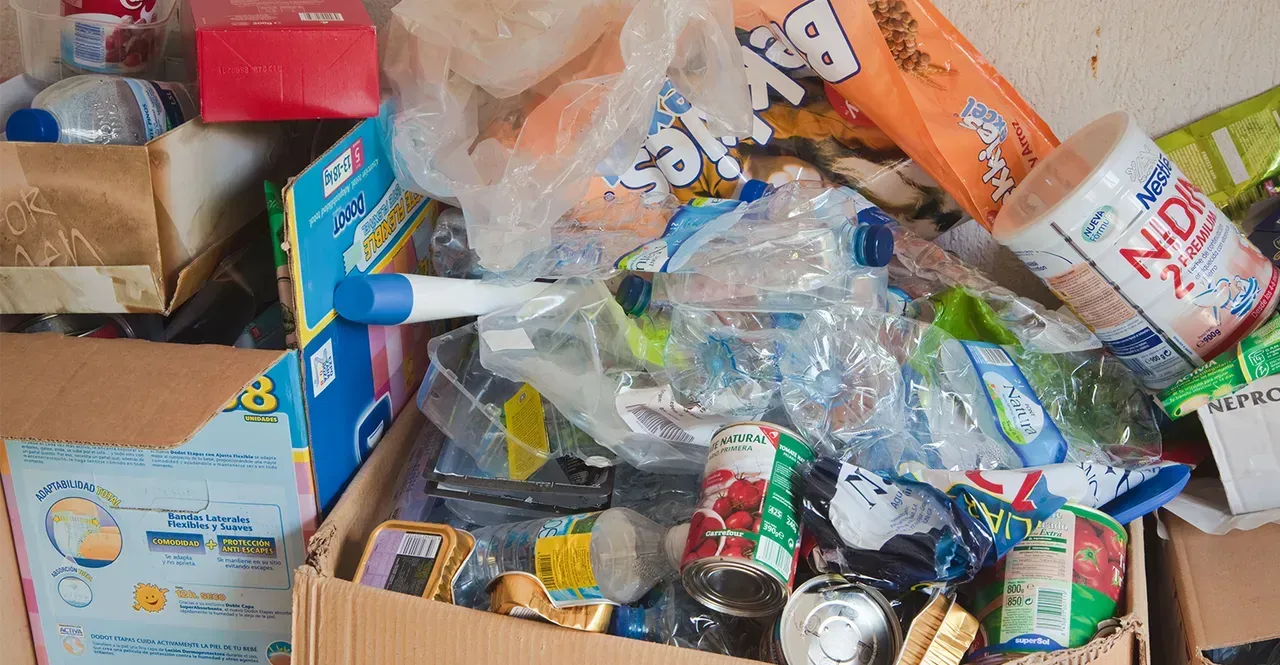
Recycling coordinators know that some people and locations are stubbornly indifferent to recycling. COVID has ruptured civic values and behavior. Creating a recycling culture is harder than ever. Producers know how to sell their products. Now they need to learn how to sell recycling. On July 1, Oregon’s packaging and paper extended producer responsibility (EPR) program begins operating. This will be a first in our country. “Producers”, instead of local governments or private citizens, will be paying to recycle packages and paper products. Colorado’s program begins operating early in 2026. For years we have heard the theory of how packaging EPR will work. At last, we will get results. Five other states also have laws. Their programs should all be operating by 2030. None of the state laws have identical requirements. The Circular Action Alliance, the “producer responsibility organization” responsible for managing the program in most of those states, knows it has a lot on its plate. EPR laws are not new to the U.S. Thirty-two states already have laws that cover a wide variety of products such as electronics, paint, mattresses, batteries, etc. Those laws are relatively simple. Most cover one product. The producer group is a small number of companies. Goals and programs are focused and narrow. They are a mixed bag of success and failure. Packaging EPR is far more complex. The number of covered products is way higher. Thousands of companies are paying for these programs. Goals are challenging. Some are impossible to meet. In addition, local governments treat recycling as a normal service. Their residents will still call them if their recyclables aren’t picked up. It probably hasn’t helped that advocates tout EPR as the solution for recycling’s problems. We are told we will have more collection and better processing with higher recycling rates. Markets will improve and even stabilize. Some of this will happen, but not all. Collection and processing should go smoothly in Oregon. The state has high expectations for recycling. I have no doubt recycling will increase. Collection programs will blanket the state, giving more households the opportunity to recycle. I’m not sure, though, how much of an increase we will see. Recycling coordinators know that some people and locations are stubbornly indifferent to recycling. COVID has ruptured civic values and behavior. Creating a recycling culture is harder than ever. Producers know how to sell their products. Now they need to learn how to sell recycling. Another challenge is the “responsible end market” requirements. You’ve probably seen pictures of overseas dumps created by unscrupulous or just naïve plastics “recyclers”. In response, Oregon and the other states are requiring sellers and end markets to prove they are “responsible”. They must provide information about who and where they are, how they operate, how much was actually recycled, and more. Recycling end markets pushed back. Paper and metals recyclers argue they shouldn’t be covered. They don’t cause those problems. As for plastics, the general manager of one of America’s largest plastics recycling companies said his company now spends time and money gathering data and filling out forms to prove they’re “responsible”. His virgin resin competitors don’t have to. Ironically, we now import more plastics for recycling than we export. Maybe those countries should impose similar requirements on their plastics recyclers. Colorado faces unique problems. The mountain state is large. Its population is concentrated on the I-25 corridor running north and south through Denver with low population density elsewhere. Recycling collection and processing is limited as are end markets. To make matters worse, slightly more than half of its households use “subscription” services for waste and recycling collection. Those services are funded by the households, not by taxpayers. EPR doesn’t have this experience in other countries. Colorado gets to blaze this trail. The second state to go live poses substantive challenges for producers. The good news for both states? Local governments that pay for recycling collection and processing will see most of those costs go away. Consumers are unlikely to see prices rise, for now. National companies will simply spread their costs among all 50 states. Local and regional producers, unfortunately, don’t have that advantage. As for improved markets, remember that recyclables are and always will be commodities subject to the ups and downs of the economy. I don’t see substantive changes in recycling markets unless the producer group’s members try to manipulate markets to their own advantage. 2025 saw new laws and changes to existing laws. Maryland and Washington became the sixth and seventh packaging EPR states. At the same time, California is rewriting its regulations and Maine significantly revised its law. Some of these changes narrowed EPR’s scope to the dismay of advocates. I’m a member of Maryland’s EPR Advisory Council. We’ve been meeting for a year, discussing the Needs Assessment and now our new law. We have our own unique set of challenges. We also have a big advantage. We can learn from Oregon’s and Colorado’s experiences. Tune in next year to learn how we are progressing. Read on Waste360.
Member Spotlights
As a leader in vending machine technology, Envipco has over four decades of experience providing customized recycling solutions. Envipco was founded on the desire to support and recover material reuse of beverage containers. This founding idea has been their motivation for forty years as they work to help their customers become sustainable and make recycling easier for everyone. Their continuous investment in innovative technology solutions for drink packaging recycling has made them a driving force in the industry. Located worldwide, Envipco offers a wide range of solutions and services. Their versatile range of Reverse Vending Machines are designed to fit in varying environments and are customizable to fit seamlessly into their surroundings. Their smallest machine, the Compact, accepts PET bottles and cans and is ideal for a location that processes less than 400 containers per day. On the higher end, their largest machine, the Quantum, accepts containers in bulk and is capable of processing over 100 containers per minute. “At Envipco, our mission has always been to make recycling easier, more accessible, and more effective. We’re proud to join NERC and work alongside organizations that share our commitment to innovation, sustainability, and a cleaner future.” Tina Bergers, VP Americas, Envipco NERC is excited to welcome Envipco to our international base of members. We look forward to supporting their vision for a cleaner world for future generations. For more information on Envipco visit.

WRAP is a global environmental action NGO with a mission to "embed Circular Living in every boardroom and every home". Established in the UK in 2000, it has since expanded to offices in Europe and the USA, with live projects in over 30 countries. There are four main priorities driving their work: future-proofing food, preventing problematic plastics and packaging, accelerating the circular economy, and transforming textiles. Textiles, food, and manufactured products account for nearly half of the climate problem, and WRAP has acknowledged that a new approach is needed to mitigate the climate crisis. Their new approach, "Circular Living" — detailed as "design-make-reuse" — targets the root causes of this crisis across the entire product lifecycle. Their website offers diverse resources, including successful case studies on housing, farming, food waste, waste collection, and much more. Along with these case studies, WRAP offers webinars, resources guides, campaign tools, reports, and more. Their dedicated work has allowed them to expand their reach globally, impact the industry on all levels, and produce critical information materials. "Everyone I meet in this field is someone who looks at an object and says, "I can make something with that" - and they built a career on solution-seeking. In a time of supply chain disruptions and market volatility, the recycling industry's can-do (pun intended) mindset is critical for recovering value and reducing demand for resource extraction. WRAP is excited to join NERC and connect with members supporting this vital component of the circular economy." Sarah Morley – Strategic Engagement Manager at WRAP Americas NERC is excited to welcome WRAP to our impactful team of NGO’s. We look forward to supporting their mission and the incredible work they do around the world. For more information on WRAP visit.

The University of Vermont (UVM) launched the Casella Center for Circular Economy and Sustainability in 2025, with support from a large gift by Casella Waste Systems, Inc. The Center is a “research hub developing sustainable solutions for waste and materials management that reduce pollution and create economic opportunities.” The work done in the UVM Casella Center builds on three decades of collaboration between Casella Waste Systems and UVM. The Casella Center is a part of the Rubenstein School of Environment and Natural Resources. The Rubenstein School has “prepared environmentally and socially responsible leaders, scientists, practitioners, and advocates” for 50 years. While based in the Rubenstein School, the Casella Center includes UVM faculty affiliates and students spanning multiple disciplines and Colleges, including engineering, agriculture, life sciences, and policy. “At the UVM Casella Center, we are focused on the intersection of rigorous scholarship and practical solutions. This requires us to work collaboratively with many stakeholders, including those in the public and private sectors working hard daily to improve our materials management systems. Joining NERC will help us stay connected to the Northeast sustainable materials management community.” – Dr. Eric Roy, Director, UVM Casella Center for Circular Economy and Sustainability NERC is excited to welcome The University of Vermont Casella Center for Circular Economy and Sustainability to our growing group of academic institutions. We look forward to supporting their students and ongoing efforts to make lasting environmental impacts. For more information on UVM Casella Center for Circular Economy and Sustainability visit .